
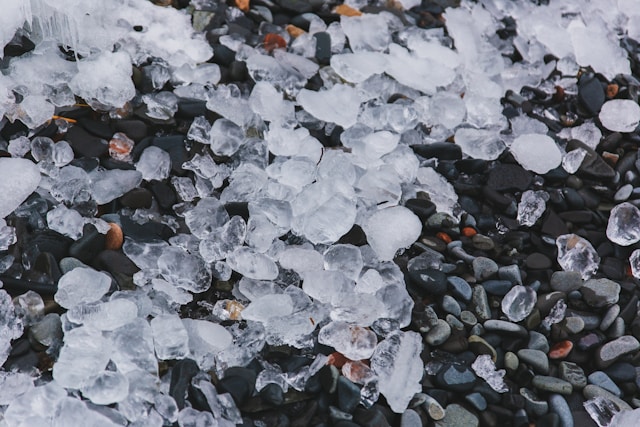
Hailstorms can arrive quickly and disappear just as fast, sometimes lasting no more than 10 minutes. Even so, hailstones (balls of ice formed during thunderstorms) can be very destructive in that brief window.
Depending on their size, they can damage roofs, windows, cars and outdoor equipment. If you enjoy being outdoors, even the smallest hail poses a real safety concern. Here’s how you can protect yourself and your home from hail.
1. Check Weather Warnings Before Heading Outside
In the U.S., hail happens most often in the area where Wyoming, Nebraska and Colorado meet, which is known as “hail alley.” Even if you don’t live in these states, hail can strike at any time of year and at any hour of the day.
One of the simplest ways to protect yourself is to make weather checks part of your daily routine. Before you go for a run, a nature walk or an outdoor workout, glance at a reliable weather app.
2. Protect Your Head And Neck First In Sudden Hailstorms
Your priority when you’re caught in a sudden hailstorm is to protect your head. A study found that 44.7% of people who visit the emergency room due to hailstorms suffer head injuries. Use whatever is available to shield your head and neck, such as a backpack or jacket.
If you’re cycling or skating, keep your helmet on and avoid rushing. The same study shows that 35.6% of patients were injured not because of the hail itself but by slips and falls while trying to escape.
3. Seek Shelter Immediately
As soon as hail falls, find shelter right away. Keep in mind that not all shelters can guarantee your safety. The best options are enclosed buildings like convenience stores or restaurants.
It’s important to avoid taking cover under large trees, open shelters or awnings. Hail can be far more powerful than it appears. The largest hailstone ever recorded was more than 6 inches in diameter and weighed more than a pound, and hailstones of this size can travel faster than 100 mph. That’s why open spaces offer very little protection.
Moreover, hail accompanies thunderstorms, which means it can come with lightning, winds and heavy rain. Seeking shelter under a tree and other open areas can actually be more dangerous.
4. Step Away From Windows And Skylights
Being indoors doesn’t make you completely safe during a hailstorm. Strong winds can change the direction of falling hail, which increases the risk of broken glass. Stay away from windows, glass doors and skylights.
If you’re home, close the drapes and use storm shutters if they’re installed. When possible, move to the center of your home away from windows and doors.
5. Inspect Your Roof, Windows And Doors
Your roof, windows and gutters take the brunt of hail impact. Regular inspections help spot weak points in your home before a storm hits. Keep an eye out for any damage to your roof or window, and repair it promptly to prevent further damage.
You can also consider simple upgrades like impact-resistant roofing materials or protective shutters to reduce damage over time. It also helps to trim trees near your home to prevent falling branches from causing additional harm.
6. Secure Outdoor Equipment And Fitness Gear
Outdoor items can become hazards during hailstorms. Bring your bikes, weights, planters, garden tools and furniture indoors when bad weather is expected. If you can’t move them inside, make sure to anchor them in place. Hailstorms can damage these loose objects or blow them into windows and walls.
7. Use Covered Parking And Protect Your Car
Hailstorms can cause damage to your car’s exterior. When you hear about a storm approaching, move your vehicle into a garage as soon as you can. An insulated garage can help protect it from the impact of hail.
If you’re driving when a hailstorm hits, slow down, pull over away from trees and stay inside your car. Avoid stopping near windows or glass structures, and try to move away from the car’s doors.
Stay Prepared, Stay Protected
Although you can’t change the weather, being prepared can go a long way. By staying informed and learning what to do during a hailstorm, you can reduce the risk of damage to both your property and health.
 Author Bio
Oscar Collins is the editor-in-chief at Modded, where he writes about health and fitness. Follow him on Twitter @TModded for regular updates on his work, and subscribe to Modded Minute for more!