
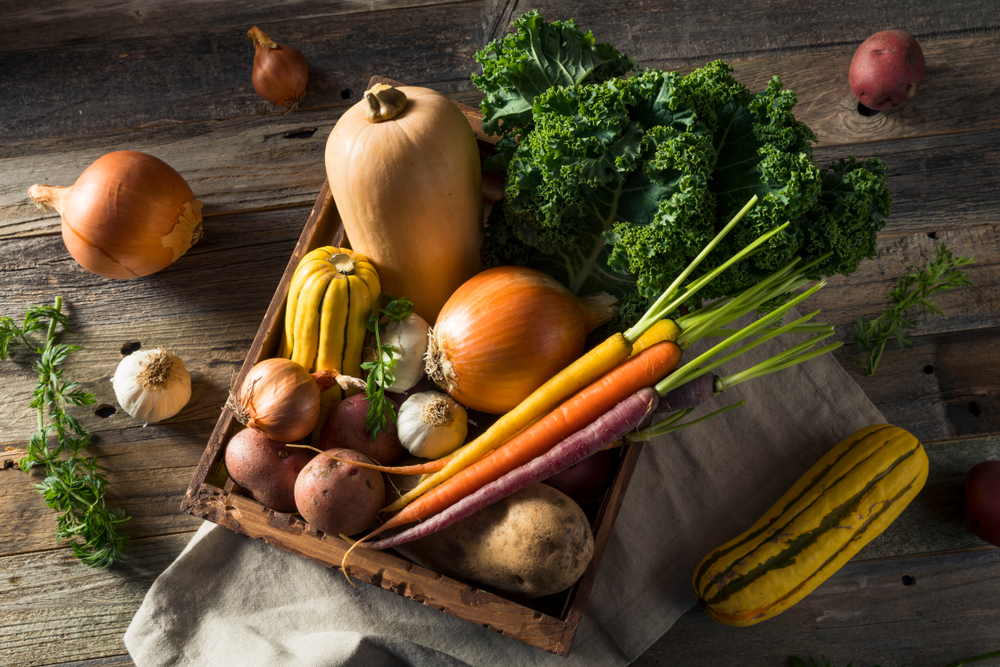

Cold weather doesn’t mean your kitchen suffers from a lack of fresh flavor. While the summer months often get all the glory for vibrant fruits and vegetables, winter offers its own unique bounty. Embracing seasonal eating during the colder months provides diverse nutrients and flavors that support your health when you need it most. We’ve put together your guide to winter produce so you can effortlessly eat with the seasons.
Root vegetables: the basics of winter cooking
Root vegetables are the workhorses of winter supplies. Carrots, parsnips, turnips and beets become sweeter as temperatures drop, converting their starches into sugars to prevent freezing underground. This natural process makes them incredibly tasty during the coldest months.
Storage is essential for these hardy vegetables. To keep them fresh for weeks, remove any leaf tips, as they draw moisture away from the root. Store them in a cool, dark place. For an optimal lifespan, breathable bags extend the life of root vegetables by maintaining proper humidity without trapping excess moisture that leads to rot.
The preparation is simple. Roasting brings out their natural sweetness, while boiling and pureeing makes for comforting side dishes. Try roasting a mixture of beets, carrots and sweet potatoes with a drizzle of olive oil and rosemary for a simple, nutritious meal.
Citrus fruits: a burst of sunshine
While root vegetables provide earthy comfort, citrus fruits offer a bright, acidic contrast. Winter is actually the peak season for lemons, oranges, grapefruits and pomelos. These fruits are rich in vitamin C, a crucial nutrient for the functioning of the immune system.
Besides simply peeling and eating an orange, citrus can also transform savory dishes. Use lemon zest to brighten hearty stews or squeeze fresh grapefruit juice into a salad dressing. The acidity cuts through the richness of winter comfort foods and adds balance to your plate.
Cruciferous vegetables: green and hardy
Don’t forget the greens. Cruciferous vegetables such as kale, Brussels sprouts, cabbage and broccoli thrive in lower temperatures. A light frost can even improve the flavor of kale and Brussels sprouts, reducing their bitterness.
These vegetables are nutritional powerhouses, rich in fiber, vitamins C and K and several phytonutrients. They are versatile enough for a salad, stir-fry and even roasting.
- Kale: Massage raw leaves with olive oil and lemon juice for a tender salad.
- Brussels sprouts: halve and roast until crispy with balsamic glaze.
- Cabbage: Sauté with onions and apples for a sweet and savory side.
- Cauliflower: Roast whole or blend into a creamy soup.
Winter pumpkins: versatile comfort
Winter squashes – butternut, acorn, delicata and spaghetti squash – are staples of the season. Thanks to their thick skin, they can be stored for months. Rich in vitamin A and fiber, they provide a healthy carbohydrate source that will keep you full.
Soups and stews naturally benefit from the creamy texture of pureed pumpkin. You can also stuff acorn squashes with grains and nuts for a hearty vegetarian main dish. Discovering new recipes to brighten up a cold winter day with these vibrant ingredients will keep mealtime exciting even when the weather is gray.
By eating with the seasons, you come into contact with the natural rhythm of the year. Focusing on winter produce (carrots, citrus fruits, hearty greens, and squash) will ensure your meals are fresh, flavorful, and nutritious. Visit your local farmers market or look for seasonal plates at the grocery store to incorporate these winter gems into your diet today.