
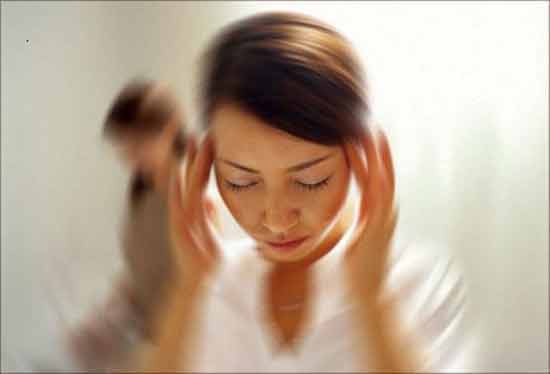

Meniere’s disease is a condition that affects the inner ear characterized by a triad of symptoms — episodes of a variable degree of hearing impairment , vertigo and tinnitus. Medically, it is also called Endolymphatic Hydrops.
Homeopathy has an excellent scope to treat cases of Meniere’s disease. Since homeopathic medicines are of natural origin, they manage its symptoms wonderfully and work to stop further advancement of the disease. Symptoms like ear fullness, hearing loss, tinnitus, and vertigo improve remarkably with these medicines. Homeopathy is effective in treating this condition effectively because it targets the root cause of the disease. Meniere’s disease is a result of the build-up of extra fluid in the inner ear. Homeopathic medicines work in reducing this accumulation of fluid and bring relief in the smptoms. The regular use of these medicines may help in dependency on conventional medicines, which may exhibit certain side effects after prolonged use.
Safe medicines with zero side effects
Homeopathic medicines for Meniere’s disease are 100% safe with no side effects at all. This is because homeopathic medicines are sourced from natural substances and are recommended in highly diluted doses. Even after use for a long time, these medicines show no adverse effects.
Homeopathic principles decide the dose
There is no hit and trial method for prescribing medicines in homeopathy. Medicines are selected strictly as per the homeopathic principles fixed in every case to decide the dose, potency and repetition. Such well-selected medicines and doses give long-lasting results in Meniere’s disease. A well-selected remedy for Meniere’s disease can help reduce the severity of the symptoms associated with vertigo and tinnitus, thereby improving the quality of life of the patient.
Homeopathy treats the root cause
Homeopathy first relieves the severity of the acute symptoms of Meniere’s disease. Then, the remedies focus on treating the root cause to put the sufferer’s recovery back on track. However, results vary from case to case based on the duration and intensity of the complaint.
Top 10 Homeopathic Medicines for Meniere’s Disease
The top 10 homeopathic medicines for Meniere’s Disease are Chininum Sulphuricum, Conium Maculatum, Kali Muriaticum, Gelsemium, Chenopodium Anthelminticum, Salicylicum Acid, Natrum Salicylicum,Theridion Curassavicum, Silicea Terra, and Phosphorus.
1. Chininum Sulph – For Ringing Noises In Ear
Chininum Sulphuricum is one of the best medicines for Meniere’s Disease. The key symptom to administer this medicine in most cases is the presence of tinnitus with an unusual sensation of roaring or ringing in the ears. It is invariably associated with vertigo. Chininum Sulphuricum should be prescribed to those who present with complaints of postural dizziness and heaviness in the ears. Noise in the ear get worse due to vertigo or during chill. The onset of vertigo is very sudden and in severe cases the person may fall due to loss of balance. Patients may feel uncomfortable while standing. Chininum Sulphuricum gives desired results when there is a considerable degree of hearing loss (especially if it affects the left ear).
When to use Chininum Sulph?
This medicine is recommended for Meniere’s Disease characterized by roaring or ringing noises, hearing loss and vertigo.
How to use Chininum Sulph?
Chininum Sulph 30C can be taken one to two times daily.
2. Conium Maculatum – For Vertigo Attacks In Meniere’s Disease
Conium Maculatum is prepared from a flowering plant of natural order Umbelliferae native to North Africa and Europe. This medicine is best suited for people who experience severe vertigo in meniere’s disease. If there is sideways head movement, the condition aggravates. The patient very sensitive to noise. A patient may feel a spinning or feeling of circular movement inside the head. Vertigo may also worsen from any movement while in the bed. Other indications are headache along with nausea and mucus vomits.
When to use Conium Maculatum?
Conium is best administered to manage vertigo attacks in meniere’s disease, especially, when it aggravates due to sideways movement of the head.
How to use Conium Maculatum?
Both high and low potencies of this medicine work wonders. However, it is best to begin with 30C potency that can be administered once or twice a day.
3. Kali Muriaticum – When There Is Feeling Of Fullness In Ears
Kali Muriaticum is a medicine that’s best for cases of Meneire’s Disease with noticeable sensation of fullness in the ears. A sensation of having a plug inside ears may be felt. It is also useful for noises in the ears. There is a crackling noise in the ears when one swallows food. Popping or snapping noises in the ear are felt. There is deafness due to swelling of the internal ear and eustachian tube. Head congestion and vertigo is also observed. There may be a history of chronic catarrhal conditions of the middle ear. Other indicating factors are blocked sensation in the eustachian tube.
When to use Kali Muriaticum?
It is administered to manage fullness sensation in the ears in cases of Meniere’s Disease.
How to use Kali Muriaticum?
Kali Muriaticum is preferred in 6X potency that can be ingested thrice or four times daily.
4. Gelsemium – When There Is Marked Dizziness In Meniere’s Disease
Gelsemium Sempervirens is a natural medicine for Meniere’s disease. It is prepared from a plant commonly named ‘yellow jasmine,’ of natural order Loganiaceae. This medicine is administered when there is marked dizziness in case of meniere’s disease. Difficulty in walking with a loss of balance may happen due to dizziness. Roaring noise in the ear along with dull, heavy pain with heaviness of eyelids is felt. Other accompanying symptoms are band-like sensation that is felt from temple to temple and pain in the ear that aggravates from exposure to cold.
When to use Gelsemium?
This medicine can be administered to treat dizziness with roaring noises and loss of balance in meniere’s disease.
How to use Gelsemium?
It should be ingested Gelsemium 30C once or twice daily.
5. Chenopodium Anthelminticum – For Buzzing Noises In Ear
Chenopodium Anthelmenticum is prepared from a plant named ‘Jerusalem oak.’ This plant belongs to the natural order Chenopodiaceae. It is administered for Meniere’s disease when the patient hears a buzzing noise in the ear. Sudden vertigo attacks, better hearing of high-pitched sounds than low-pitched sounds, and tinnitus that is synchronous with heartbeats are the symptoms indicative of its use. When there is high-pitched sound hearing gets better. Along with it, pain in the right side of the head with roaring in the ear and dim vision is marked.
When to use Chenopodium Anthelminticum?
Its best used to treat meniere’s disease if there is buzzing noises in the ears and sudden vertigo episodes. It can also be used when the tinnitus synchronises with heartbeat.
How to use Chenopodium Anthelminticum?
It should be used in 30C power one to two times a day.
6. Salicylicum Acid – For Tinnitus and Vertigo Along With Nausea
Salicylicum Acid works best if Meniere’s disease presents itself with tinnitus and vertigo and an accompanying nausea. The noises in the ear can be ringing, roaring, or buzzing (similar to flies or a swarm of bees). In some cases, a person hears musical noises. There is diminished hearing and vertigo, and severe nausea. Vertigo accompanied by deafness is also observed.
When to use Salicylicum Acid?
It is administered for cases of meniere’s disease accompanied by ringing, buzzing or roaring tinnitus along with vertigo and severe nausea.
How to use Salicylicum Acid?
Salicylicum Acid can be administered in 30C potency up to two times daily.
7. Natrum Salicylicum – For Low Tone Buzzing Or Ringing Noise
Natrum Salicylicum is administered for tinnitus that is accompanied by low tone buzzing or ringing noise. Along with noises, there is deafness and dizziness. Vertigo aggravates if one raises the head, and it gets better upon lying down.
When to use Natrum Salicylicum?
This medicine manages tinnitus in which there is low tone noise along with vertigo that gets worse from raising of the head, and it gets better if one lies down.
How to use Natrum Salicylicum?
Natrum Salicylicum can be administered in 30 C power daily once.
8. Theridion Curassavicum — For Meniere’s Disease With Sensitivity To Every Sound
Theridion Curassavicum is administered medicine for Meniere’s Disease with a uniqueness that patient is sensitive to even least noise. Every sound seems to penetrate through the whole body. There is vertigo especially when one closes the eyes. Also there is nausea from even a small movement. Other accompanying symptom is sensitivity of spine such that a patient is forced to sits sideways on the chair.
When to use Theridion Curassavicum?
It works very well for Meniere’s Disease with great sensitivity to least noise.
How to use Theridion Curassavicum?
It can be administered with lower potency—30C, once or twice daily. It can be taken in 200C, 1M, but only after the advice of a qualified homepath.
9. Silicea Terra — For Meniere’s Disease With Otorrhea
It is the best remedy for Meniere’s Disease accompanied by Otorrhea – offensive, fetid discharge with crust formation in the ear. Hissing, roaring type of sound is felt the ear. There is sensation of ear being blocked, and it gets better after yawning or swallowing. Other indications are – shooting pain in the ear, headache from time to time and the patient has to cover the head. Headache intensifies on exertion and exposure to light and cold air.
When to use Silicea Terra?
It is well-indicated for Meniere’s Disease, especially, if there is roaring and hissing, sound in the ear.
How to use Silicea Terra?
Begin with a 30C potency. It works really well in 200C, and 1M potency. But is use is recommended only after consulting a qualified homoeopath.
10. Phosphorus – For Meniere’s Disease With Hearing Difficulty
Phosphorus is one of the top medicines for Meniere’s Disease if there is hearing difficulty. Constant ringing and buzzing sound in the ear is present. Difficulty in hearing, especially of a human voice. Re-echoing of sounds in the ear is felt. One feels dizzy while rising or getting up. Other accompanying symptom is headache.
When to use Phosphorus?
It is administered for Meniere’s Disease if there is an accompanying hearing difficulty.
How to use Phosphorus?
It can be initiated in 30C, 200C potency but only after seeking advice of a qualified homoeopath.
Symptoms Of Meniere’s Disease
1. Vertigo
Vertigo is one of the most bothersome symptoms which troubles the person suffering from Meniere’s Disease. The person gets vertigo attacks with sudden onsets. One gets a feeling of spinning (to-and-fro or up-and-down) when the attack happens that may last from a few minutes to hours. At times, nausea and vomiting may accompany the vertigo attack. Most of the time, there are no warning signals of vertigo, sometimes the sensation of fullness in ears may precede an attack. In severe cases, one may suffer from diarrhea, abdominal cramps or bradycardia (slow heart rate) along with the episodic attack.
2. Tinnitus
Tinnitus refers to noise in the ears in the absence of an external source. There is roaring or ringing sound in the ears which gets worse during the attacks. The intensity and pitch of tinnitus varies during and after the attacks. Tinnitus can be a constant symptom in some people, which can hinder hearing and affect the quality of life.
3. Fullness in Ears
The patients may experience a sensation of fullness or blockage in the ears. It may occur along with vertigo or exist independently. The intensity of this symptom varies.
4. Hearing Loss
There may be loss of hearing on or before the vertigo attack. In majority of the cases, it is a sensorineural (caused by damage to the inner ear or the auditory nerve pathways) type of hearing loss. The attack subsides after a while and usually becomes normal during the remission period. This kind of fluctuating hearing loss is a peculiar characteristic of Meniere’s disease. However, if there are recurrent episodes, there may be no improvement in hearing loss, and there is a possibility of permanent hearing loss. There is slow hearing loss in most cases.
5. Intolerance to Loud Sounds
Some people have an increased sensitivity to loud noises and it becomes difficult for them to bear them. This is because the sounds do not get amplified.
Causes Of Meniere’s Disease
The cause behind Meniere’s Disease is not yet clear. Both environmental and genetic factors seem to play a role in the development of the disease.
Meniere’s Disease occurs when there is distention of fluid (endolymph) in the inner ear. The function of endolymph is to aid hearing and to maintain balance. The distention can be either due to overproduction or faulty absorption of this endolymphatic fluid. Sometimes, both overproduction and reduced absorption can co-exist and cause Meniere’s Disease.
1. Genetic Factors
Certain abnormalities in the structure of the inner ear pass from one generation to another in families. A person with a strong family history of Meniere’s Disease is at a higher risk.
2. Allergy
Allergies can predispose a person to develop Meniere’s. In such cases, the offending allergens stimulate the inner ear causing excess production of endolymph.
3. Sodium and Water Retention
Certain theories relate increased sodium levels as a contributing factor towards the development of Meniere’s Disease. This causes excessive water retention in the ear leading to endolymphatic hydrops.
4. Vasomotor Disturbance
Sympathetic overactivity (the involuntary part of the nervous system associated with dilatation or constriction of blood vessels) may result in a spasm of the internal auditory artery. This interferes with the function of the cochlear or vestibular epithelium (in the inner ear) leading to vertigo and deafness.
Frequently Asked Questions
1. Can Meniere’s affect both ears?
Meniere’s usually affects one ear initially, but in chronic cases, the other ear also develops this disease.
2. Should I avoid driving if I have Meniere’s?
In patients who suffer from vertigo frequently, it is advised to avoid driving. It is difficult to predict a vertigo episode, so one should not indulge in activities requiring acute concentration or body balance.
3. Who can be affected by Meniere’s?
Anyone can get affected by this condition. However, Meniere’s is more common in males and usually seen in the age group of 30-60 years.
4. Can stress trigger Meniere’s disease?
Emotions like extreme anger and stress seem to trigger this medical condition. The episodes tend to be more frequent during a stressful period.
5. Does weather play a role in the worsening of this condition?
Meniere’s is seen to get worse during winters. Symptoms like vertigo attacks and fullness in ears become frequent in winters. Tinnitus may aggravate in some, the frequency may be less in summer.
6. How do homeopathic medicines bring relief in Meniere’s Disease?
Homoeopathy is a symptom-based system of medicine. The remedies address issues like vertigo, fullness of ear, tinnitus and other symptoms, and also work on the root cause of disease. In a way, it treats the person as a whole.
7. How to select the correct medicine?
The medicine depends completely on the individual’s symptoms, so it should be taken only under the guidance of a qualified homoeopathic physician.
8. Can Meniere’s attack occur even if one is taking homoeopathic medicines?
Yes, sometimes it can reoccur, but the frequency and intensity of symptoms will always be lesser than the last time and go away gradually.
9. Is 30C potency safe to start the homoeopathic medicine?
Selection of potency, dose and its frequency should be done under the guidance of a qualified homeopathic doctor. It is not necessary to start with 30C potency.
10. Can hearing loss occur in Meniere’s Disease?
Yes, one can lose hearing in chronic, severe and untreated cases of Meniere’s Disease. It starts with fluctuating hearing loss.