
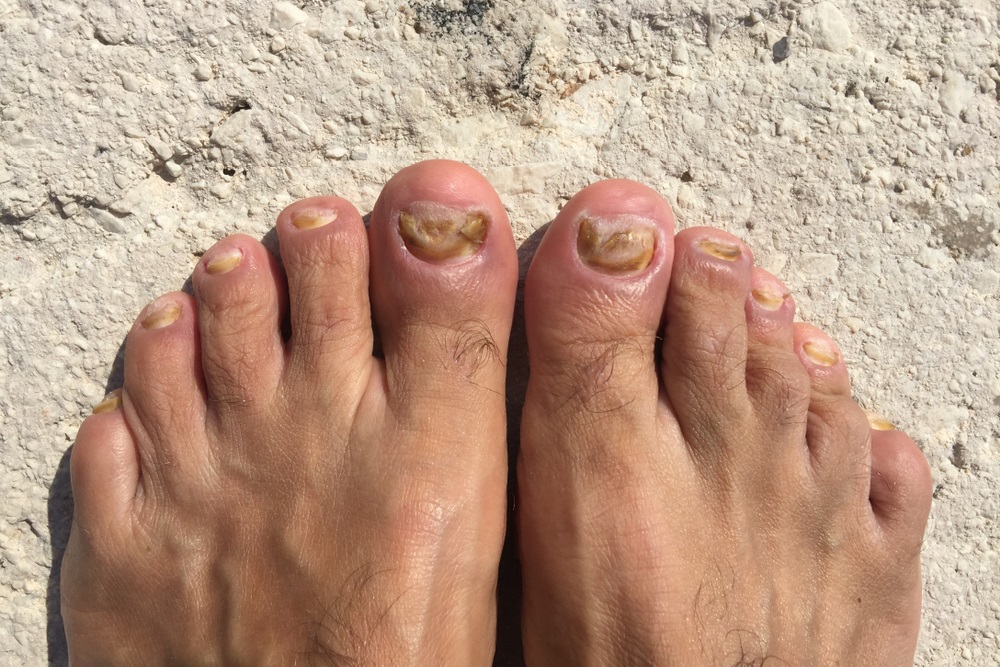
Nail fungus is caused by fungi that multiply in warm, moist environments and enter the nail through small cracks. You can treat a mild infection with home remedies such as tea tree oil, but more advanced cases require medical treatment.Nail fungus (onychomycosis) is a common infection that affects approximately 10% to 14% of Americans, and up to 50% of adults over age 70.It often starts as a small white or yellow spot and can gradually thicken, discolor and deform the nail if left untreated. Here are the most common causes, a popular home remedy for mild cases, and when to see a doctor.
What causes nail fungus on the feet?
Fungi are microscopic organisms that naturally live on the skin, hair and nails. They thrive in warm, moist environments, such as in tight, non-breathable shoes, making toenails especially sensitive.These organisms can multiply and enter the nail through small cracks in the nail or surrounding skin. Once under the nail plate they are difficult to remove.The most common culprits are:
- Dermatophytes (fungi that feed on keratin in skin and nails), especially Trichophyton rubrum and Trichophyton mentagrophytes
- Yeasts, such as Candida species
- Non-dermatophytic fungi
Dermatophytes are responsible for 90% of cases, especially in toenail infections.Your risk of nail fungus increases with:
- Tight or non-breathable footwear
- Sweaty feet
- Walking barefoot in changing rooms or swimming pools
- Nail injuries or repetitive trauma
- Diabetes
- A weakened immune system
- Aging, which slows nail growth and circulation
Although fungal infections more commonly affect the toenails due to moisture trapped in the shoes, they can also develop in the fingernails, especially after:
- Nail trauma
- Frequent exposure to water
- Use of artificial nails
Signs and symptoms of nail fungus
Nail fungus usually doesn’t cause pain at first, so many people overlook it in the early stages. As the infection develops, it can lead to:
- Yellow, white or brown discoloration
- Thickened nails
- Brittle, crumbly or ragged edges
- Deformed nail shape
- Dullness or loss of shine
- An occasional smell
- Nail lift from the nail bed (onycholysis), which can be painful
As the fungus spreads, the nail also thickens and becomes more difficult to cut.
Types of nail fungus
There are two common forms of nail fungus:
Distal subungual onychomycosis (DSO)
This is the most common type. The infection starts under the tip of the nail and spreads under the nail plate, often involving the nail bed. This is the type that typically causes:
- Thickening
- Discoloration
- Lifting of the nail (onycholysis)
Superficial onychomycosis
This type only affects the surface layers of the nail and usually looks like white, powdery patches. Although it is often milder at first, if left untreated it can develop, leading to rough, brittle or crumbling nail surfaces.
Nail fungus home remedy: Tea tree oil
Although research on the use of tea tree oil for nail fungus is mixed, this essential oil possesses antibacterial and antifungal properties.Some test-tube studies suggest that it may specifically inhibit the growth of Trichophyton rubrum, a common fungus responsible for nail infections. To try this remedy, experts recommend making a 5%-15% dilution of tea tree oil in a carrier oil such as coconut, olive, or jojoba oil.Apply this mixture to the affected nail twice a day with a clean cotton swab.
When should you consult a doctor?
More advanced fungal infections may not respond to home remedies. Consult a healthcare professional if:
- The nail becomes painful
- The infection spreads
- The nail separates from the bed
- You have diabetes or circulatory problems
- Home remedies have not improved the condition
Medical treatments for nail fungus
Doctors may recommend the following for more severe cases:
- Oral antifungals: Terbinafine and itraconazole are first-line treatments for moderate to severe infections. Research shows that terbinafine cures approximately 76% of cases.
- Prescription Topical Treatments: Best for mild to moderate infections or when oral medications are not suitable, efinaconazole 10% shows a complete cure rate of 15-18%.
- Laser Therapy: Recent studies show that a laser called Nd:YAG (Neodymium-doped Yttrium Aluminum Garnet) targets fungal organisms without damaging surrounding tissue.
- Combination therapy: Severe cases often respond best to a combination of oral antifungal medications, topical treatment, and nail debridement (cutting or thinning of the nail).
The bottom line
Nail fungus is a common condition, especially in toenails, where heat and moisture create ideal conditions for fungal growth. It often starts with discoloration and can develop into thickened, brittle or raised nails. Mild infections may improve with home remedies, but persistent or painful cases usually require prescription treatment. A little perseverance and early attention can go a long way to healthier nails.
References:
Onychomycosis: An Updated Review – PMC
Onychomycosis in older adults: prevalence, diagnosis, and management – PubMed.
Fungal nail infections (Onychomycosis): a never-ending story?
More information – Nail fungus: nail polish, cream or tablets? – InformedHealth.org – NCBI Bookshelf
The post What Causes Nail Fungus, Home Remedies + When to See a Doctor? first appeared on Alternative Medicine Magazine.