
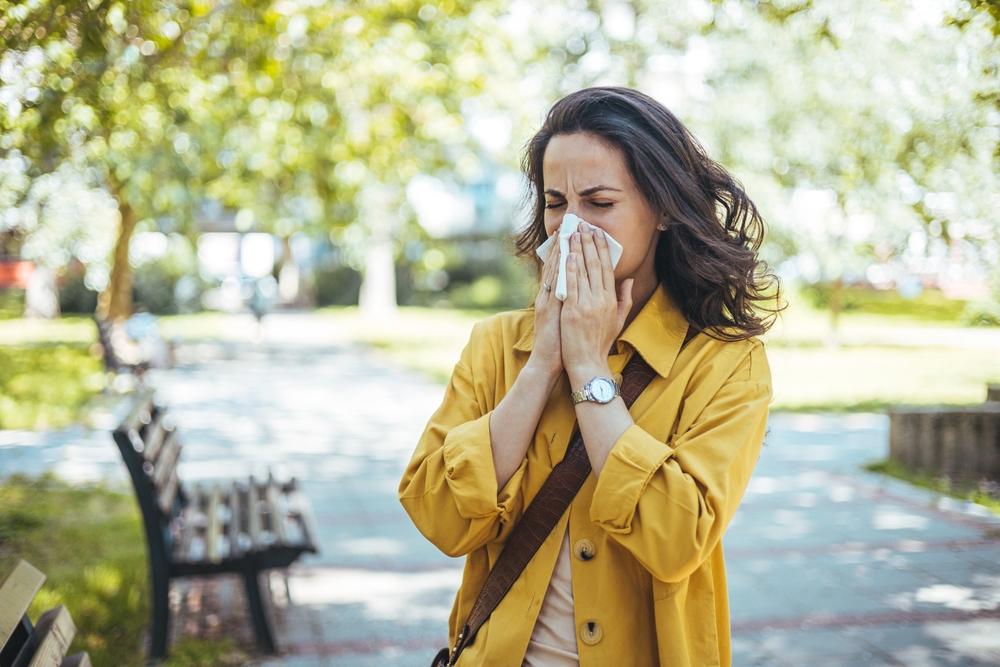
Spring is just around the corner, which means a new wave of diseases is on its way. Seasonal illnesses can be stressful, especially for parents. Allergies, asthma, respiratory viruses and allergic pink eye all peak in the spring.
Although not fatal, many of these diseases can be frightening, cause discomfort and take away time from school. Fortunately, there are several ways to manage the symptoms naturally and even prevent them from occurring in the first place.
Spring allergies
Seasonal allergies may not seem like a big deal, but the symptoms can be quite debilitating and miserable. They occur when the immune system overreacts to pollen and allergens in the air, causing sneezing, itchy and watery eyes, headaches and congestion.
The best way to prevent symptoms is to reduce pollen in the home. This includes regular dusting, changing bed linen, using an allergen-friendly mattress and pillowcase, vacuuming at least twice a week and using an air purifier with a HEPA filter. Keeping windows closed, keeping pets out of bedrooms and taking off shoes when you enter the house can also help reduce allergens in the home.
If symptoms occur, using a nasal spray or nasal rinse at least once a day will help remove the allergens that have accumulated in the nasal passages during the day. Quercitin and Butterbur have been shown to reduce inflammation and histamine, the chemical in the body that causes allergy symptoms. Vitamin C also has anti-inflammatory and antioxidant properties that may be helpful. Probiotics can also help reduce the allergic response since most of our immune system is located in our intestines.
Seasonal asthma
Seasonal asthma occurs when asthma symptoms are made worse by seasonal allergens. Some people are also sensitive to changes in the weather. Therefore, they experience asthma symptoms when the weather changes from winter to spring and from spring to summer. Prevention is key when it comes to seasonal asthma. The goal is to reduce exposure to seasonal allergens that can trigger an asthmatic reaction.
Typical symptoms of asthma are coughing and wheezing. Other allergy symptoms, such as a runny nose, itchy, watery eyes, and eczema, may also be present. Reducing inflammation is important in reducing these symptoms, and this can be done in several natural ways. However, a child with symptoms or a diagnosis of asthma should be assessed and monitored by a healthcare provider. Most children with asthma symptoms, no matter how mild, will need a steroid inhaler to have on hand when their symptoms flare up.
Respiratory viruses
Many believe that respiratory diseases occur mainly in the winter, but many of them circulate from March through May. Rhinoviruses, human parainfluenzaviruses, and human metapneumoviruses are all prominent in the spring. It is important to continue good hygiene practices throughout the spring to reduce exposure to these viruses. Eating a diet of whole foods, getting enough sleep, moving your body and staying hydrated will also help keep the immune system strong as you enter the spring season.
These viruses can be treated with nutrients and herbs that help strengthen the immune system and fight the virus. Vitamin D and zinc have been shown to effectively treat symptoms of rhinovirus. An herb called Pelargonium sidoides has also been shown to reduce symptoms caused by rhinovirus. Quercitin is an antioxidant that has antiviral effects and may reduce respiratory symptoms caused by human metapneumovirus.
Although there are some effective strategies to treat viral respiratory illnesses in the spring, it is important to see your doctor if you or your child does not improve within a few days or if he or she has trouble breathing or has a long-lasting fever. An evaluation is important to determine the cause of your child’s symptoms if they do not improve or worsen.
Pink eye
Pink eye, also called conjunctivitis, can be infectious or non-infectious. Infectious causes are viral or bacterial and can occur at any time of the year. Non-contagious pink eye is often caused by an allergic reaction to something in the environment. Allergic pink eye is more common in the spring when other allergy symptoms flare up.
Bacterial pinkeye can look most intense, with the green and yellow discharge spreading to both eyes. Most bacterial pinkeye can go away on its own, but it is highly contagious. Prescription antibiotic eye drops can speed the healing process and prevent spread to someone else.
Pink eye caused by a virus usually affects adults more often than children. Symptoms include redness of the eye, watery and sometimes white mucous discharge. It is also contagious. Viral pinkeye is often secondary to a respiratory disease, so natural antiviral support, such as vitamin C, zinc, vitamin D, and elderberry, can help the immune system fight the infection. However, if you experience multiple symptoms in addition to pink eye, see your doctor to confirm the diagnosis and appropriate treatment options.
Finally, allergic pink eye is most common in the spring. Although it affects both eyes with intense itching, tearing and redness, it is not contagious. It can be treated in the same way as allergies, with quercetin, vitamin C, coltsfoot and probiotics. However, the best treatment is prevention, by keeping the home free of allergens, reducing exposure, and eating a low-inflammatory diet.
The last thing you want is a cycle of endless tissues and missed days of school. While the increase in pollen and persistent viruses can be overwhelming, staying ahead of symptoms with environmental controls and nutritional support makes all the difference. By making your home a pollen-free zone and fueling your family’s immune system with natural anti-inflammatories, antioxidants and antihistamines such as quercitin, butterbur and vitamin C, you can control and even prevent disease.
The post A Parent’s Guide to Navigating Seasonal Illness appeared first on Alternative Medicine Magazine.