
(Family Characteristics) While mental health problems can affect virtually anyone, anywhere, there are certain populations that experience particular disadvantages for a variety of reasons. Rural areas in the United States have an estimate 17.58 million people in non-metropolitan areas experienced depression in 2024, according to micro data from the National Health Interview Survey, but these areas may not have sufficient support and treatment options.
To learn more about rural residents’ experiences with mental health and awareness of complementary or alternatives to traditional treatments that can be effective in rural areas, Rural Minds, the only national 501(c)(3) nonprofit organization focused on rural mental health advocacy, conducted a survey of rural Pennsylvania residents. Nearly 7 in 10 participants (69%) indicated that they had experienced symptoms of depression themselves in the past year or were concerned about someone close to them who is dealing with depression.
“While there are many effective depression treatments used by mental health professionals, common barriers to mental health treatment for residents of rural areas include lack of confidentiality in small communities, fewer providers, and greater distance to access mental health care,” said Jeff Winton, founder and president of Rural Minds. “Additionally, many rural residents are uninsured or underinsured.”
The poll also found that three in four rural residents (76%) are aware of talk therapy as a treatment or intervention for depression, and more than two-thirds (68%) are aware of pharmacological treatments. However, significantly fewer people are aware of complementary therapies. For example, only 17% reported being aware of digital therapies and 11% reported being aware of eye movement desensitization and reprocessing.
“Depression is a major challenge for people living in rural areas,” says Robert E. Nelson, MD, co-owner of DGR Behavioral Health, LLC, and medical director of Caron Counseling Center. “In some parts of the country, mental health services are non-existent or very limited in rural communities. Furthermore, the factors that lead to depression may be different for people living outside urban and suburban communities.”
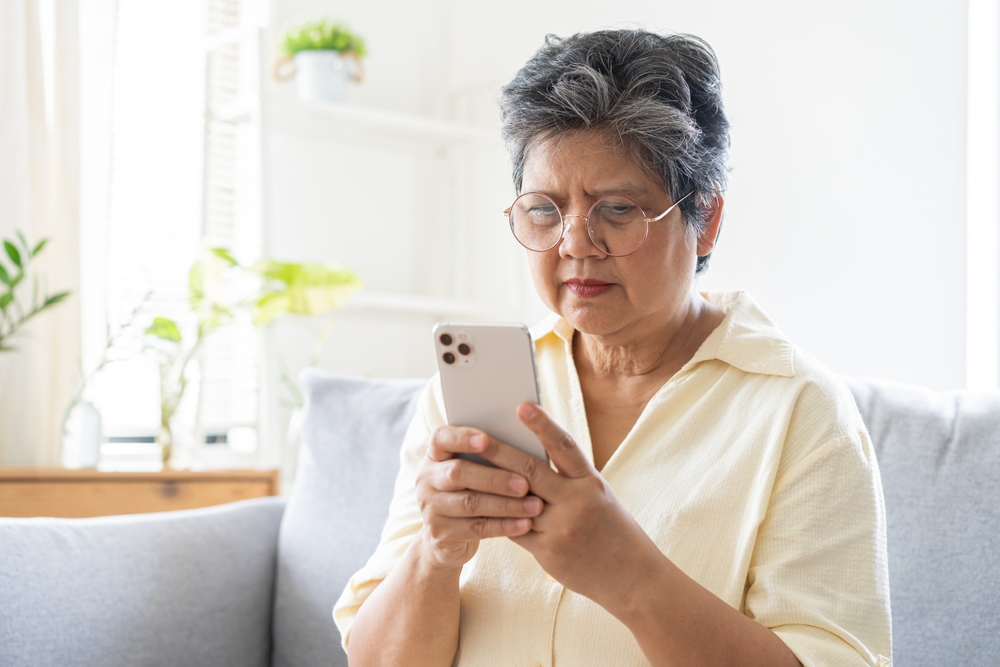
In areas where access to traditional services is limited, other options can help fill the gaps for people who are depressed. For example, almost half of survey participants (47%) would be interested in a digital app for depression as part of their treatment plan.
What are digital prescription therapies (PDTs)?
Technology is changing the way patients are treated in many aspects of medicine. This also applies when it comes to mental health care. PDTs are health software delivered using a device such as a smartphone or computer, to treat or alleviate a condition, condition, illness or injury. This type of treatment may need to be combined with traditional forms of treatment to address a variety of conditions, including mental illness.
The digitally delivered treatment can include brain training exercises, cognitive behavioral therapy and behavior reinforcement exercises. Some PDTs can also adjust based on usage.
To be considered a true digital prescription drug, the software must be authorized by the Food and Drug Administration (FDA), giving users greater confidence in its use and results.
Prescription digital therapies provide a complementary or alternative treatment.
In addition to the potential positive implications for improving access to mental health treatment options among rural residents, there are several other potential benefits associated with prescription digital therapies:
- Less chance of side effects. Because no additional medications are involved, this form of therapy does not carry the same risk of drug-related side effects or drug interactions with other medications the user may be taking.
- Studied for safety and effectiveness. To qualify for FDA approval, they are studied in clinical trials to verify their safety and effectiveness.
- Handy. Because PDTs are delivered via a personal device, such as a smartphone or tablet, the patient can access treatment when and where it is most convenient.
- Private. The nature of a PDT means that it is delivered remotely and patients can continue treatment in their own home or other private locations without the need to regularly visit a doctor’s office.
Learn more about the mental health challenges Americans face and find a prescription app at ruraldepressionoptions.com.
SOURCE: Rural spirits
The post Digital Therapies Offer Hope to Rural Residents appeared first on Alternative Medicine Magazine.