
Close Menu
  • Home
  • Sexology
  • Herbal
  • Home Remedies
  • Homeopathy
  • Aromatherapy
  • Sound Therapy
  • Spirituality
  • Yoga
  • More
    • Meditation
    • Mental health
    • Fitness
    • Health & Wellness
    • Diet & Nutrition
    • Supplements
    • STDs
    • African Remedies
What's Hot

Why Recovery Matters As Much as the Workout |

June 25, 2026

Natural Remedies for Constipation: Herbs and Lifestyle Tips for Digestive Relief

June 25, 2026

The Importance of Homeopathic potency

June 25, 2026
Facebook X (Twitter) Instagram
The Sleeper Must Aweken
  • Privacy Policy
  • Terms & Conditions
  • Contact
Facebook X (Twitter) Instagram
SUBSCRIBE
  • Home
  • Sexology
  • Herbal
  • Home Remedies
  • Homeopathy
  • Aromatherapy
  • Sound Therapy
  • Spirituality
  • Yoga
  • More
    • Meditation
    • Mental health
    • Fitness
    • Health & Wellness
    • Diet & Nutrition
    • Supplements
    • STDs
    • African Remedies
The Sleeper Must Aweken
Home»Sexology»Male Anatomy Explained
Sexology

Male Anatomy Explained

February 21, 2024No Comments3 Mins Read
Facebook Twitter Pinterest LinkedIn Tumblr Reddit WhatsApp Email
Share
Facebook Twitter LinkedIn Pinterest WhatsApp Email

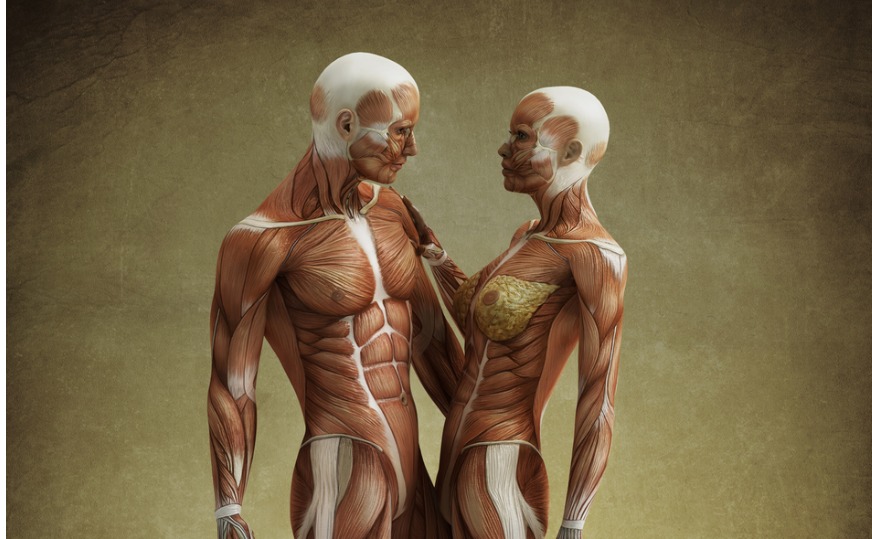
It’s a common myth that men think about sex every seven seconds. However, a study conducted at Ohio State University suggests the real number is likely closer to 19 times a day. Regardless of the figure, you can guarantee most of those thoughts concern getting busy between the sheets, and not what happens in the body. A lot of men have no idea how wonderfully complex their anatomy actually is, but I’m here to offer some insights.

Penis: Man’s Best Friend

The penis is the part of the reproductive system men are most familiar with because it’s the organ used in sexual intercourse and masturbation. It actually has three parts: the root, the body, and the glans penis or head. The root attaches to the abdominal wall. The body’s three chambers fill with blood to cause an erection. If blood flow is compromised, erectile dysfunction occurs. The glans penis has a high concentration of nerve endings which makes sex pleasurable.   

Scrotum: Holds Testes and Regulates Temperature

The scrotum is a sack of skin and muscles that houses the testes. The scrotum helps keep the testes away from the body, so they’re cool for optimal sperm development.

Testes: Sperm & Testosterone Producers

The testes are two glands which produce sperm and testosterone. If the testes don’t work effectively, you may have a low sperm count and low testosterone levels. While the terms testicles and testes are often used interchangeably, the testicles are actually the testes and their surrounding structures.

Epididymis: Transports and Stores Sperm Cells

After the testes make sperm, the sperm travels to the epididymis to grow. During sexual arousal, contractions send the mature sperm on their way. An epididymal obstruction can sometimes form, causing infertility, but this can be diagnosed and effectively treated.

See also  PrEP Medication: Everything You Need to Know

Vas Deferens & Seminal Vesicles: Aid Ejaculation

Together the vas deferens and seminal vesicles form the ejaculatory duct. Sperm from the epididymis reaches the vas deferens, then travels to the seminal vesicles where it joins with fluids to become semen. During ejaculation, muscles surrounding the seminal vesicles expel the semen. Up to 30% of men can experience premature ejaculation, while many men, particularly as they age, may experience delayed ejaculation.

Prostate Gland: Makes Prostatic Fluid

The prostate produces prostatic fluid. This white fluid nourishes, protects, and supports sperm, and is the major component in semen.

Urethra: Empties Bodily Fluid

The urethra is the final stop before sperm leaves the body during an orgasm. This tube works double-duty, also carrying urine from the bladder. During an erection, urine flow is blocked to ensure only semen leaves the body during an orgasm. 

The next time you think about sex, remember all the complex parts of your body that are involved in the process. Such an amazing system should never be taken for granted. If you’re experiencing any type of sexual dysfunction or male infertility, contact us to learn more about the various treatment options. We’re here to help.

Source link

Anatomy Explained male

Related Posts

Non-Hormonal Menopause Treatment Options: What to Do When Hormones Aren’t Right for You

June 23, 2026

Pelvic Floor & Anatomical Disorders: The Hidden Causes of Chronic Constipation and Incomplete Emptying

June 23, 2026

Why LGBTQ+ Men Need a Different Approach to Sexual Health

June 20, 2026

Leave A Reply Cancel Reply

Don't Miss
Meditation

Why Recovery Matters As Much as the Workout |

June 25, 20260

A strong workout requires the body to adapt, but the real progress happens after the…

Natural Remedies for Constipation: Herbs and Lifestyle Tips for Digestive Relief

June 25, 2026

The Importance of Homeopathic potency

June 25, 2026

What Are They, and How Can They Benefit You? |

June 24, 2026
Stay In Touch
  • Facebook
  • Twitter
  • Pinterest
  • Instagram
  • YouTube
  • Vimeo
Our Picks

Why Recovery Matters As Much as the Workout |

June 25, 2026

Natural Remedies for Constipation: Herbs and Lifestyle Tips for Digestive Relief

June 25, 2026

The Importance of Homeopathic potency

June 25, 2026

What Are They, and How Can They Benefit You? |

June 24, 2026
About Us
About Us

Discover holistic well-being with our health, fitness, and alternative medicine blog. Explore natural remedies, workouts, and wellness tips.

We're accepting new partnerships right now.

Our Picks

4 Not-so-common Menopause Symptoms |

December 19, 2025

Do You have a Weak Urine Stream? Try Homeopathy

November 9, 2023

Principles For A Happier Life

November 6, 2023

Subscribe to Updates

Get the latest creative Health and Alternative medicine news directly in your inbox!

Facebook X (Twitter) Instagram Pinterest
  • Privacy Policy
  • Terms & Conditions
  • Contact
© 2026 - All rights reserved.

Type above and press Enter to search. Press Esc to cancel.