
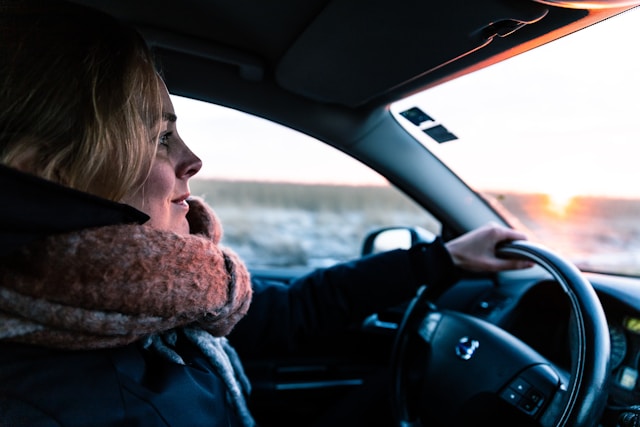
Winter turns landscapes into a beautiful wonderland, but it also creates dangerous driving conditions. From slick, almost-invincible ice to heavy snowfall, every road trip will test your winter driving skills.
To keep yourself and your passengers safe, you need to be prepared for everything you might encounter. Follow these steps to ensure you can confidently handle whatever the season throws your way.
Step 1: Perform Preventive Vehicle Maintenance
Just as you wouldn’t run a marathon without the right shoes, you shouldn’t enter driving season without a well-prepared vehicle. Ensure your vehicle is ready for harsh winter conditions with these preventive upkeep tips.
Maximize Your Visibility
The colder months can lower visibility, from snow accumulating on windshields to heavy snowfall causing near-zero visibility. The days are also shorter and the nights are longer, which means more driving occurs in darkness or low light. Here are some ways to maximize your visibility:
- Ensure your headlights, taillights and brake lights are clean and functional.
- Check whether your high beams can illuminate up to 350 feet of the road ahead, and your low beams can light up at least 200 feet.
- Install new wiper blades and fill the reservoir with winter-grade washer fluid that won’t freeze.
- Clear snow or ice from the entire vehicle to keep it from blowing off your car and blinding drivers behind you.
Test Your Battery and Electrical System
Your car battery works through a chemical reaction, and frigid temperatures can dramatically slow it down. This means it has significantly less power available right when your engine needs it the most.
Get your battery tested professionally to check its health and its ability to hold a charge. Take longer drives — at least 30 minutes long — weekly to fully recharge it. Also, turn off your headlights, heater and radio before starting your vehicle to reduce the initial strain on the battery.
Check Your Tires for a Proper Grip
Leave home only after you’ve double-checked the following:
- Tread depth: If you see all of Lincoln’s head after inserting a penny upside down into a tread groove, your tires are too worn out for safe winter driving, and you need new ones with deeper treads.
- Tire pressure: Tire pressure drops in the cold, and underinflated tires have poor traction. Ensure your tires meet the recommended PSI found in the sticker inside the driver’s door.
- Tire suitability: Consider swapping out your all-season tires for winter tires, which have treads that can grip snowy and icy roads better, reducing the risk of skidding.
Inspect Your Brakes for Efficient Control
Effective braking is critical on icy roads where traction is minimal, so ensure it’s in great shape throughout winter. Keep your brake fluid levels at the recommended range and commit to routine check-ups. Test your brakes in your neighborhood before hitting the highway or going on a long road trip. Watch out for warning signs, such as scraping or squealing sounds when braking, a “soft” or “mushy” brake pedal and inconsistent brake pad wear.
Step 2: Prioritize Your Own Wellness And Focus
Drowsiness is a factor in 21% of all fatal motor vehicle crashes and 13% of road accidents that have landed people in the hospital. The risk is higher during winter, when shorter days can disrupt sleep patterns and increase driving fatigue. Pull over somewhere safe to rest once you notice the warning signs – heavy eyelids, frequent yawning, difficulty in focusing or drifting from your lane.
Program your GPS and silence your phone before driving. Constantly scan the road for black ice and signs of other cars ahead, such as brake lights and exhaust fumes.
Step 3: Master Winter Driving Skills
Around 24% of weather-related crashes happen on icy, snowy and slushy pavement, resulting in over 1,300 deaths and 116,800 injuries. In 2023 alone, an estimated 320 fatal crashes and 22,290 injuries have occurred with these conditions. Avoid becoming part of these statistics by changing your driving techniques for the season.
- Drive slowly and carefully.
- Increase your following distance from three to four seconds to eight to 10 seconds.
- Step on the gas pedal gently to avoid sudden acceleration and wheel spinning.
- Brake long before you need to stop.
- Look and steer where you want to go.
- Take slower turns with smooth, deliberate hand movements.
- Don’t let high visibility create a false sense of security and continue driving slowly.
Step 4: Pack An Emergency ‘Go-Bag’
Keep an emergency kit in your vehicle well-stocked with the following essentials to get out of unexpected situations and stay warm while waiting for help if needed:
- Sturdy ice scraper and snow brush
- Shovel to dig out of a snowbank
- Sand or cat litter for instant traction under spinning wheels
- Jumper cables
- Flashlights with extra batteries
- Road flares or reflective triangles
- Warm blankets, extra hats, gloves and socks
- Power bank
- High-energy, non-perishable snacks
- Bottles of water
Drive Safely And Confidently This Winter
A well-prepared car, a focused driver, mindful driving techniques and fully-stocked emergency kits – these are the essentials to safe winter driving. They can ensure the safety of not only everyone in your car but also those you encounter on the road.
 Author Bio
Oscar Collins is the editor-in-chief at Modded, where he writes about health and fitness. Follow him on Twitter @TModded for regular updates on his work, and subscribe to Modded Minute for more!