
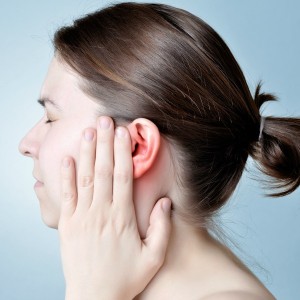
Trigeminal Neuralgia (TN or TGN), also known as Fothergill disease/ Prosopalgia/ Tic Douloureux, is a chronic neurological disorder. It is characterized by sudden, severe but brief, stabbing or electric-shock–like pain along the distribution of the trigeminal nerve (fifth cranial nerve). It usually affects one side of the face. There is one trigeminal nerve on either side of the face. The pain is often triggered by mild stimuli such as talking, brushing teeth, chewing, or even touching the face, and occurs in recurrent attacks with pain-free intervals in between.
The severity of the pain may cause a person to contort his/her face. It is considered one of the most severely painful disorders known to medical science.
Efficacy of Homoeopathy in treating Trigeminal Neuralgia
For nerve disorders including trigeminal neuralgia, homeopathy offers marvellous treatment. Homeopathic medications are very effective in providing long-term relief in Trigeminal Neuralgia and can help a person to lead a good quality of life. Homeopathy uses natural medicines for treating it, ensuring its safety. It strikes at the root of the problem to give excellent results in Trigeminal Neuralgia.
How Homoeopathy reduces Pain Intensity, Duration and Recurrence
Homeopathic medicines work by managing the acute symptoms first that are most troublesome and difficult to bear. The intensity and the duration of pain gets less. Then, they work further to minimize the recurrence of pain episodes. If TGN is diagnosed in the early stages, homeopathic medicines can help cure the condition with minimal chances of recurrence.
Individualized Homoeopathic Approach in Trigeminal Neuralgia
Homeopathy treats every case of Trigeminal Neuralgia individually. In the homeopathic mode of treatment, the treatment begins after the complete case history is understood from the patient. In Trigeminal Neuralgia, signs and symptoms, the location and type of pain, time when the pain gets worse, trigger factors and modalities of the pain, means the worsening and relieving factors are all considered to finalize the right prescription.
Homeopathy: A Gentle Alternative to Conventional Treatment
With regular homeopathic treatment, the dependency on conventional treatment, which recommends antiseizure medicine, muscle relaxants, botox injections with its own side effects, can be reduced to a great extent. In many cases, surgery is recommended in mainstream medicine. But homeopathic treatment, if followed as per the homeopathic doctor’s advice for the prescribed duration, can help one stay from surgical intervention in many cases with mild to moderate intensity.

Top 9 Homeopathic Medicines For Trigeminal Neuralgia
The top 9 homeopathic medicines for trigeminal neuralgia are Spigelia Anthelmintica, Magnesia Phosphorica, Verbascum Thapsus, Colocynth, Kalmia Latifolia, Belladonna, Hecla Lava, Plantago Major and Hypericum.
1. Spigelia Anthelmintica – For Neuralgia On The Left Side
Spigelia Anthelmintica is a wonderful natural medicine for left-sided Trigeminal Neuralgia. Off and on facial pain on the left side of the face is the main symptom that indicates the need to administer this medicine. The area around the forehead, eye, teeth, cheek, and the temple on the left side of the face are particularly painful. The nature of pain varies from stabbing, violent, burning like hot needles or wires, tearing, jerking to stitching type. The affected area is very sensitive to touch. In a few cases, pains aggravate from morning to the sunset. The attack of Trigeminal Neuralgia that arises in cold, rainy weather are strong indicators to administer Spigelia.
When to use Spigelia Anthelmintica?
This medicine can be administered to treat cases of trigeminal neuralgia that surfaces on the left side of the face with pain around the forehead, eye, teeth, cheek, and the temple (side of the left side of the head). The onset of pain is sudden.
How to use Spigelia Anthelmintica?
Though it can be used in both low and high potencies, it is safe to administer this medicine in 30C potency initially. Spigelia 30 C can be administered two to three times daily.
2. Magnesia Phosphorica – For Neuralgia On The Right Side
Magnesia Phosphorica is a medicine for cases of trigeminal neuralgia on the right side. Pain usually starts near the right eye and extends to the entire right side of the face. The pain that is felt is stitching, stabbing, shooting or cutting in its nature. The pain may return every two to three hours. The pain on the right side of the face may alternate with a toothache or frequently change its location, rushing about like a bolt of lightning. The pain may aggravate from the slightest touch, cold application, motion, a draft of air, cold washing, or eating. The patient may get relief by warm application or if pressure is applied on it. Facial neuralgia that is felt while opening the mouth to eat or drink also indicates the use of this medicine.
When to use Magnesia Phosphorica?
This medicine can be administered for Trigeminal Neuralgia affecting the right side of the face when pain worsens due to touch, cold washing, carry out any movement, eating, cold application and draft of air.
How to use Magnesia Phosphorica?
Use this medicine in 6X potency three to four times daily as per the intensity of the symptom.
3. Verbascum Thapsus — For Neuralgia With Marked Periodicity
Verbascum Thapsus (also known as Mullein Oil) is a medicine that helps treat Trigeminal Neuralgia. Its use has a pronounced action on the maxillary branch of the trigeminal nerve. There is periodic facial pain of tearing, cramping, stitching, crushing type. Pain occurs in flashes, almost at a particular time in the morning and the afternoons everybody. The smallest movement triggers facial pain. Neuralgia of the left side of face occurs more commonly in cheeks and temporo-maxillary joints. A pressure is felt on the entire left side of the head and face. Pains get triggered by sneezing, talking and change of weather. Another indication is a benumbing, sticking and piercing type of pain deep in the right temple while eating that extends to upper teeth of the same side after a few hours. Intense pressing, pinching pain on the side of the lower jaw also indicates the need for the use of this medicine.
When to use Verbascum Thapsus?
It is the best choice of medicine to cure Trigeminal Neuralgia when the periodicity of pain is really noticeable means pain occurs at the same hour of the day every time.
How to use Verbascum Thapsus?
This medicine can be administered in 30C potency one to two times daily.
4. Colocynth – For Neuralgia With Shooting, Stitching Pains
Colocynth works wonderfully if one suffers from Trigeminal Neuralgia where facial pains are violent, shooting, and stitching in nature. Numbness may follow neuralgic pains and get better if one applies pressure. There are tearing pains in the cheeks, stitches in the upper jaw which recur frequently. The left side of the face, ear, temple, and sometimes the side of the neck may get affected. Facial neuralgia and toothache remain confined to only one side.
When to use Colocynth?
Colocynth should be administered to manage shooting, stitching pain on the face, especially on the left side of the face that gets relief by applying pressure on the face.
How to use Colocynth?
Colocynth should be administered in 30C potency two to three times a daily based on severity of the symptom.
5. Kalmia Latifolia – For Trigeminal Neuralgia With Sharp, Tearing Pain On Right Side Of Face
This medicine is administered for Trigeminal Neuralgia if facial neuralgia is especially observed on the right side. There is sharp, tearing pain in the jawbone as well as the face. The neuralgic pain worsens after exposure to cold, worry, or mental exertion, and improves after one eats meals. It can be also administered in cases of facial neuralgia following herpes zoster infection. Other accompanying symptoms include redness of the face with a throbbing headache.
When to use Kalmia Latifolia?
It works wonders when administered for sharp, tearing pain on the right side of the face.
How to use Kalmia Latifolia?
One can start in lower potency 30C one to two times a day. Higher potencies such as – 200C, 1M can be administered under the guidance of a qualified homoeopath.
6. Belladonna – For Trigeminal Neuralgic pain that comes and goes suddenly
Belladonna is a very effective medicine for the cases of Trigeminal Neuralgia. Prepared from the plant Deadly Nightshade, it is administered when neuralgic pain is associated with twitching of the facial muscles and a hot, red, swollen face. There is sudden occurrence of pain — cutting and tearing in nature, and is more often on the right side. Attacks appear and disappear abruptly. Other symptoms include swelling of the upper lip and spasmodic distortion of the mouth.
When to use Belladonna?
It is administered medicine for trigeminal neuralgic pain if pains are sudden.
How to use Belladonna?
It can be initiated in lower potency — 30C, two or three times daily.
7. Hecla Lava – For Neuralgia From Dental Complaints
Hecla lava is great remedy in cases of facial neuralgia if dental problems like tooth decay cause pain. Neuralgic pains in the face after extraction of the tooth or decayed tooth are the characteristic features. There is swelling and intense pain in the jaw, which is highly painful to touch.
When to use Hecla Lava?
This medicine can be taken to cure Trigeminal Neuralgia when dental problems like tooth decay or tooth extraction trigger pain.
How to use Hecla Lava?
This medicine can be ingested one to two times a day in 30C potency.
8. Plantago Major – For Neuralgia With Pains In Lower Jaws
Plantago Major has a marked action on the trigeminal nerve. It is a wonderful remedy where neuralgia is located around the lower jaw. The pain is shooting, and tearing in nature. Pain start from the lower jaw and may extend to the ears. Sometimes there is drawing pain in the cheeks. It can be administered when the mandibular (V3) branch is involved with pain in the lower jaw and ear.
When to use Plantago Major?
The key symptoms to use this medicine in trigeminal neuralgia is if there is pain around the lower jaw especially shooting, tearing type that radiates to the ears.
How to use Plantago Major?
Use it in 30 C potency twice or thrice daily.
9. Hypericum – For Neuralgia After Nerve Injury
Hypericum is a highly effective medicine in cases where Trigeminal Neuralgia starts after a nerve injury. Pain in the face are sharp, shooting, tearing in nature. There is marked tingling, burning, numbness in the affected area of the face. Facial neuralgia and toothache is present. Tension and tearing in the cheek may also be present.
When to use Hypericum?
Its use is advised for cases of Trigeminal Neuralgia that result from a nerve injury. With shooting, sharp, tearing pain in the face along with burning, tingling, and numbness.
How to use Hypericum?
Among the various available potencies, it works wonderfully in 30C potency that can be taken two to three times a day given the intensity of the symptoms.
Note: You may use the above-mentioned 30C potency after closely monitoring the symptoms but do not self-medicate with higher potencies i.e. 200C and 1M. If no improvement is seen, consult a qualified homeopath.
Symptoms of Trigeminal Neuralgia
The most commonly affected areas of the face in Trigeminal Neuralgia include the jaw and lower face.
1. Area of pain: The pain can be focused on one spot (depending upon the branch that is affected) or can advance to a wider area. The areas that can be affected include jaws, teeth, eyes, lips, cheeks, area around the nose, ears, and forehead.
2. Type of pain: Pain can be excruciating, tearing, shooting, jabbing, or feel like electric shocks. Trigeminal neuropathic pain that produces tingling and numbness (usually due to oral surgery or dentistry) may also occur. One may feel a tingling, pin needle sensation or numbness on the face before pain sets in. Burning sensation in the face may be felt after pain has subsided. Twitching (involuntary muscle contraction causing jerking in the affected part) in the face may also occur after a pain attack.
3. The side of the face affected: Usually, the pain is unilateral (one-sided), mostly involving the right side of the face. But in some cases, it can be bilateral (affecting both sides of the face) for example in case of multiple sclerosis. In case of bilateral TN, though both sides are affected, but at a given time only one side shows symptoms. Very rarely, both sides show symptoms at the same time.
4. The intensity of pain: In most cases, episodes of pain are usually intense (some patients have reported pain being more intense than the pain of a heart attack). However, in some cases, pain is mild to moderate. As the condition worsens, pain becomes more intense.
5. Duration of pain: The pain attack lasts from a few seconds to a few minutes initially. As the condition progresses, the pain attacks can become longer.
6. The frequency of attacks: Intermittent isolated episodes of sudden pain may occur. Some may experience it only once a day and others may have it every few minutes or hours. It may happen every day for several days, weeks, months or even more. Sometimes, there may be no episodic attack even months or years after the first attack (called remission period). If left untreated, the attacks can become frequent and intense over time. Mild attacks may be experienced initially, but if the problem persists, long and frequent bouts of pain can occur.
7. Time of occurrence: It can occur if the patient is exposed to triggering factors (and sometimes even without them). It never happens while a person is asleep.
What Causes Trigeminal Neuralgia (TGN or TN)?
The trigeminal nerve is the fifth cranial nerve (out of 12 pair of cranial nerves) and is the largest of all the cranial nerves.
TGN arises from the abnormal functioning of the trigeminal nerve. The main cause behind TGN is compression of the trigeminal nerve by a blood vessel. It damages the myelin sheath (protective covering of nerve fibres) of this nerve causing hyperfunctioning of the nerve. As a result of the damage, even a little stimulation on the portion of the face supplied by this nerve excites pain. In addition, the nerve is unable to close pain signals once nerve stimulation stops. The compression of a nerve for a short period does not cause pain but long-term constant compression causes demyelination of nerve initially, followed by degeneration of axons (thin fibers extending from nerve cell that function to transmit electrical signals to nerve cells, muscles, glands).
Various causes of Trigeminal Neuralgia include:
1. Pressure: Approximately 95% of TN cases arise due to pressure on the trigeminal nerve. The pressure may be exerted from the surrounding blood vessel (an artery – anterior inferior cerebellar artery, ectatic basilar artery or a vein) at the base of the brain. TN may also occur from pressure on the trigeminal nerve by an aneurysm (bulge in the wall of the blood vessel). Pressure on the trigeminal nerve from a tumour may also lead to TN but that is rare.
2. Trauma / Injury to nerve: Damage to the nerve can occur as a result of facial injury, dental injury or a surgical procedure (e.g. sinus surgery, oral surgery). Stroke (brain damage arising from interrupted blood supply to the brain) can also lead to TN.
3. Loss of Myelin Sheath: Myelin sheath protects the nerves. Loss of myelin sheath (which can occur as a result of aging or a condition like multiple sclerosis) can lead to Trigeminal Neuralgia. Multiple sclerosis is an autoimmune disorder in which immune cells damage the protective covering of nerves disrupting communication between the brain and body.
4. Inflammation: Inflammatory disorders like Lyme disease (a tick-borne disease caused by bacteria, of the Type Borrelia, known as Borrelia Burgdoferi) and Sarcoidosis (autoimmune disorder causing collection of inflammatory cells in a body part) can also lead to the development of Trigeminal Neuralgia.
5. Collagen Vascular Diseases: Diseases like scleroderma and systemic lupus erythematosus can trigger Trigeminal Neuralgia. In such diseases, the immune system causes inflammation in the collagen and surrounding joints.
However, it should be noted that in many cases, there is no specific cause for Trigeminal Neuralgia called as idiopathic TN.

What Factors contribute to the Development of Trigeminal Neuralgia
1. Family History: Trigeminal Neuralgia may run in families as it is related to malformation of blood vessels in the brain due to inheritance.
2. Age: Though any age group can be affected, it is common in people who are above 50 years of age. The reason is that blood vessels get hard and elongated with age and there is sagging of the brain that can make new contacts between nerves and blood vessels.
3.Women are more affected with TGN as compared to men.
4. High Blood Pressure: People with high blood pressure issues are more likely to suffer from trigeminal neuralgia than those with normal blood pressure.
What Triggers Nerve Pain in TGN?
There is usually a triggering factor that results in the onset of an episode of TGN. Some of the most common triggering factors include washing the face, blowing the nose, talking, touching the face, chewing, exposure to drafts of air, smiling, shaving, brushing teeth, putting on makeup, etc.
Investigations required to diagnose Trigeminal Neuralgia
– A clinical diagnosis of Trigeminal Neuralgia is made after evaluating the patient’s description of location, frequency, type and triggering factors of pain.
– A physical or neurological examination is done to determine the exact location of pain. These symptoms are enough for clinical diagnosis; sometimes, no tests are required.
– To rule out the possible causes of Trigeminal Neuralgia, an MRI of the brain may be advised to rule out any inflammation, brain tumor, or a blood vessel compressing the nerve.
Management of Trigeminal Neuralgia
Management of Trigeminal Neuralgia (TGN) involves a holistic and supportive approach aimed at reducing pain episodes, improving the quality of life and preventing their aggravation.
Physiotherapy plays a supportive role by helping to relax facial and cervical muscles, improving posture, and reducing nerve irritation. Gentle exercises, stretching, heat therapy, and modalities like TENS (Transcutaneous Electrical Nerve Stimulation) help in setting relief.
Lifestyle modifications are equally important—patients are advised to maintain regular sleep patterns, avoid exposure to cold wind or sudden temperature changes, and protect the face from drafts. Trigger avoidance is crucial; common triggers such as chewing hard foods, brushing teeth vigorously, excessive talking, consuming cold drinks, and touching sensitive facial areas should be minimized.
A balanced and soft diet is recommended, avoiding very hot, cold, spicy, or hard foods that may trigger pain. Adequate hydration and nutritious meals support nerve health. Stress management is essential, as emotional stress and anxiety can worsen pain intensity and frequency; practices such as yoga, meditation, deep-breathing exercises, and mindfulness are beneficial.
Counselling and psychological support help patients cope with chronic pain, reduce fear of pain attacks, and address associated anxiety or depression. Other supportive measures include gentle oral hygiene techniques, avoiding excessive caffeine and tobacco that helps in better control of TGN and enhances long-term well-being.
Frequently Asked Questions
1. How is homoeopathic treatment selected for TGN?
Homoeopathic medicines are selected based on the type of pain, the side affected, common triggers, modalities, emotional factors, and overall constitution of the patient.
2. Can homoeopathy help in post-herpetic Trigeminal Neuralgia?
Yes. Homoeopathy can be effective in managing neuralgic pain following herpes zoster infection.
3. How does homoeopathy help in Trigeminal Neuralgia?
Homoeopathy aims to reduce the intensity and frequency of pain episodes by addressing the underlying nerve sensitivity and individual symptom pattern.
4. Can sinus problems mimic Trigeminal Neuralgia?
Yes. Sinusitis may cause facial pain, but TGN pain is sharper, electric, and trigger-based.
5. Is Trigeminal Neuralgia the same as dental pain?
No. TGN is often mistaken for dental pain, but dental treatments usually do not bring any relief.
6. Can homoeopathy help prevent surgery in mild to moderate Trigeminal Neuralgia (TGN)?
Yes, in mild to moderate cases, homoeopathy may help in reducing the severity and frequency of pain attacks, which reduces the chances of surgical intervention. With individualized and regular treatment under homoeopathic professional guidance, dependency on long-term medication can be reduced.
7. Can stress worsen Trigeminal Neuralgia?
Yes, emotional stress and mental exertion can trigger or aggravate painful TGN episodes.
8. Can Trigeminal Neuralgia affect speech or eating?
Yes. Talking, chewing, and swallowing can trigger pain. Some patients are forced to avoid eating or speaking during flare-ups.
9. Is homoeopathic treatment safe for long-term use in TGN?
Yes. Homoeopathic medicines are generally safe, non-toxic, and suitable for long-term use when prescribed by a qualified homoeopathic doctor.