
Today’s older adults intend to continue enjoying life to the full. Active aging is now a core concept in senior living, helping to create happier, healthier communities, and it’s about more than just physical movement. An active lifestyle should also incorporate exercising the mind and social skills. The best senior living communities facilitate exactly that.
The Three Pillars Of An Active And Fulfilling Retirement
By incorporating all three elements, communities can achieve a holistic vision of retirement.
- Physical vitality – From leisurely walks to structured fitness classes, physical fitness is key.
- Cognitive engagement – Mental stimulation is vital. This can come through lifelong learning, hobbies and intellectually challenging activities.
- Social connection – Friendships, interactions, and community involvement help prevent isolation and promote emotional health.
What Recreational Activities Are Offered In Senior Living Communities?
Increasingly, senior living communities are designing their programs to strengthen all three pillars.
Tailored Fitness For All Abilities
The importance of exercise for older adults is well-documented. The immediate benefits include better sleep and lower blood pressure, but long-term effects are wide-ranging. From stronger bones to cancer prevention, lower risk of heart disease and reduced risk of dementia, keeping moving as much as possible is essential.
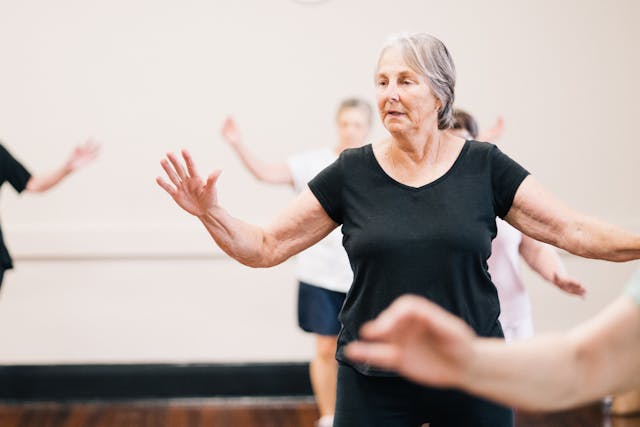
Senior living communities often offer a wide range of physical activities to accommodate residents of all ages and fitness levels. Tai chi,which has been shown to reduce fall risk in older adults, is often offered alongside yoga as a gentle option. More vigorous opportunities might include swimming or dance. Many campuses offer scenic walks or nature trails for everyday relaxing movement.
Nourishing the Mind
Communities recognize the importance of lifelong learning, so many offer educational classes, workshops and book clubs. Creative expression brings joy to many, regardless of perceived skill level, so art classes and on-campus studios are a popular addition to many senior living destinations. Research shows that creative activities can encourage neurogenesis, or the growth of new brain cells, in addition to the inherent pleasure and social engagement.
Many major studies also indicate that learning and mental stimulation matter for brain health. One recent study found that, even when starting after age 65, intellectually stimulating activities can afford active learners a cognitive advantage of up to 6 years compared to those who do not undertake such activities. That benefit comes regardless of prior levels of education or cognitive stimulation.
Building Community Through Shared Interests
Senior living communities actively encourage social connections. Often this happens naturally through building new friendships with fellow residents and is facilitated by clubs and planned social events. That’s important, because 34% of older adults feel socially isolated, and this kind of isolation is associated with an increased risk of depression, anxiety, stroke, heart disease and dementia.
Many facilities also promote social links with local organizations and the wider community beyond the campus. Links to local schools or colleges can help build intergenerational relationships, which have many psychological and social benefits for both older and younger generations.
Boosting Overall Longevity And Life Satisfaction
Research has uncovered a strong correlation between an active lifestyle and a longer, happier life. Interestingly, the variety of activities may matter more than the total level of activity, according to new research into longevity and exercise. That is where senior living communities can shine, being able to offer multiple physical activity options alongside social, recreational and educational opportunities for an active aging experience.
Cornwall Manor – A Model Of Active Senior Living
Cornwall Manor, a continuing care community in Cornwall, PA, is an exemplary model of a senior living community that promotes active aging. It has a comprehensive approach to resident well-being, and its campus is packed with amenities to support this.
A Campus Built for Activity
A fitness center provides equipment for every level, and the indoor pool hosts aqua aerobics, water volleyball, tournaments and general swimming. If you want something more relaxing, you can enjoy the soothing spa or explore scenic trails and walking paths.
There is also a LifeTrail with 10 activity stations for low-impact, regular outdoor fitness. Wellness classes include yoga and chair yoga, tai chi, zumba and strength training, and you can play bocce and pickleball. There is an organic farm on campus providing fresh produce and residents can also have their own vegetable plots in the community garden.
A Tapestry of Recreational Opportunities
A key strength of Cornwall Manor is that every resident receives personalized support from Life Engagement and Fitness and Recreation Coordinators to help boost motivation and find what is most enjoyable. A dynamic arts program boosts creativity, and there are craft groups, a woodshop, book clubs, poetry groups and music programs.
Regular social get-togethers and planned excursions promote cohesion, and residents are encouraged to volunteer in the community if they wish. Active engagement with the wider community includes an intergenerational pen pals program.
Cornwall Manor’s tagline is “The new nature of senior living,” and its thoughtful, empowering blend of physical, mental and social opportunities aligns with current research on healthy aging, longevity and active lifestyles.
Frequently Asked Questions About Active Lifestyles In Senior Living Communities
What if I have mobility issues or a chronic health condition?
Modern senior living communities are designed to be inclusive. Most fitness programs are created with a range of abilities in mind, often offering seated or modified versions of exercises such as yoga, Zumba and strength training. The staff’s goal is to help residents find activities that are safe and enjoyable for them as individuals, focusing on participation and well-being rather than high performance.
I’m an introvert. Do I have to participate in large group events?
Not at all. While communities offer many social opportunities, the concept of active aging respects all personality types. For an introvert, engaging might mean focusing on solo hobbies in a welcoming community setting. For example, using the art studio, borrowing from the library or enjoying peaceful walks on campus trails. Social connection can be as simple as having a quiet conversation with one or two new friends rather than attending large events.
What if I have a lifelong hobby that isn’t offered?
This is often an opportunity for residents to take the lead. Many communities are resident-led, encouraging individuals to start their own clubs. If you have a passion for something not covered, you will likely find others who share your interest. Staff are typically very supportive in helping residents get new groups and activities off the ground.
Embracing The Next Chapter With Vitality
Active aging in modern senior living communities is about a holistic, three-pronged approach to well-being. The combination of physical, intellectual, creative and social activities is what truly enhances life satisfaction and longevity. If you are considering such a move, prioritize communities that understand this and which offer a wide variety of amenities, programs and opportunities so that you can truly stretch your limbs, mind and social muscles. The result will be a happy, healthy retirement where your horizons grow.