
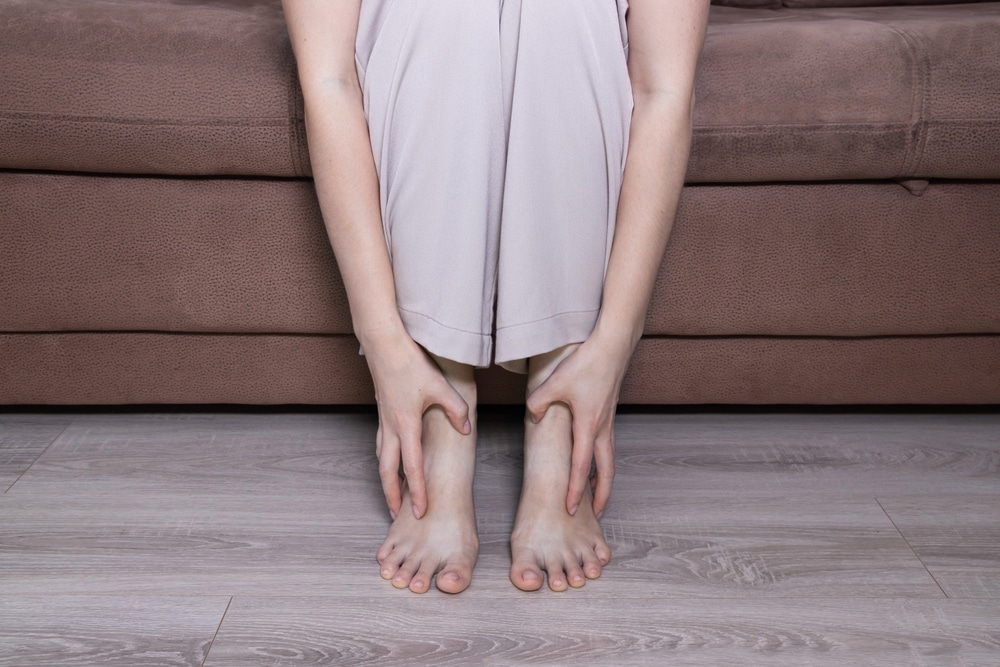
About 7-10% of the US population suffers from restless leg syndrome (RLS), an unpleasant condition that presents itself in very different ways. But there are similarities in symptoms, as well as in triggers. Let’s discuss some causes, symptoms, and treatment options of restless leg syndrome, most of which have been overlooked by conventional medicine. But first: what exactly is RLS?
Causes of restless legs syndrome
RLS, also known as Willis-Ekbom disease, is a neurological disorder characterized by an irresistible urge to move the legs, although it can also affect the arms. It causes extreme discomfort and painful feelings, especially during rest periods. These sensations can also be described as itching, pulling, pulling, crawling, gnawing or burning.RLS is both a movement disorder and a… sleep disorderbecause the symptoms usually occur at night. However, in more severe cases, symptoms can also occur during the day.Conventional medicine holds that RLS may be related to genes. Symptoms that are not caused by another known condition are called “primary RLS.” However, many cases of RLS are caused by other factors, causing them to be classified as ‘secondary RLS’.
RLS symptoms
Common symptoms of RLS include:
- Discomfort in your legs and/or arms, before bedtime or during inactivity
- An urge to move and/or stretch to relieve discomfort, especially while sitting or lying down
- Problems falling asleep, sleep disorders or both
- Daytime fatigue, behavioral problems and/or poor work performance due to discomfort and/or poor sleep
If you suffer from RLS, you are already familiar with the urge to constantly move, shake your limbs, or find a way to relieve the symptoms. It can be an incredibly painful condition.
What causes restless leg syndrome?
Although the exact mechanism behind RLS is not yet fully understood, researchers have identified some common causes and triggers.
Iron deficiency
This is one of the few causes of RLS that is accepted by conventional medicine. Iron plays a crucial role in the production of dopamine, a neurotransmitter that regulates movement and sensory signals in the brain. When the iron content is lowdisrupts dopamine production, causing or worsening RLS symptoms.Studies show that restoring iron levels through dietary adjustments or supplementation can help relieve RLS symptoms in people with iron deficiency.
Infections
Research has shown a link between RLS and the presence of viruses such as shingles or shingles COVID-19 in some patients. Precisely How viruses causing RLS have yet to be understood. But some researchers believe that viral infections lead to inflammation in the nervous system, including the peripheral nerves responsible for transmitting sensory signals. This inflammation can disrupt normal nerve signaling and contribute to feelings of restlessness and discomfort in the extremities.
Sciatica or other spinal/nerve problems
RLS can also be caused by sciatica, where the sciatic nerve becomes a source of pain, discomfort or even disability. Nerve compression or irritation in the spine can lead to a variety of symptoms, including pain, numbness and restless legs. In some cases, these symptoms may be due to infections of the spine caused by viruses, bacteria or fungi that cause inflammation or enter the bloodstream and reach the spine. The most common bacteria involved are Staphylococcus aureus and Escherichia coli (E. coli).
Intestinal problems
Certain inflammations gastrointestinal disorderssuch as celiac disease, Crohn’s disease, and irritable bowel syndrome (IBS) can also cause RLS. Recent studies show that people with IBS are more likely to develop RLS, and vice versa. Researchers are exploring several theories about why this is possible, including the role of poor iron metabolism, inflammation, central nervous system dysfunction and something called small intestinal bacterial overgrowth (SIBO). Experts say chronic inflammation in the colon or an unhealthy balance of gut bacteria can trigger the release of hepcidin, a hormone that reduces the availability of iron in the brain. This decrease in iron may contribute to the development of RLS. This reiterates the importance of getting enough iron.
Other underlying conditions
Other underlying conditions have been linked to RLS symptoms, including:
- Diabetes
- fibromyalgia
- Parkinson’s disease
- Kidney disease
- Depression
- Rheumatic disease
Medicines
Certain medications, when started or stopped abruptly, can cause restless legs. Some of these include:
- Antipsychotics
- Antidepressants
- Anti-nausea medications
- Older antihistamines such as diphenhydramine (Benadryl)
- Antiepileptic drugs
- Opioid/opiate painkillers (if stopped)
- Benzodiazepines or anti-anxiety medications (if stopped)
If you recently started or stopped taking one of these medications and developed RLS, symptoms typically improve within weeks to months. However, if you have been taking the medication for a while, symptoms may worsen temporarily before improving.
Natural treatment for restless leg syndrome
Medicines can be useful in certain situations. But approach them with caution, as they may have unwanted side effects. Fortunately, there are natural home remedies for RLS that provide significant relief from symptoms while also supporting your overall health and well-being.
Dietary changes
Eating plenty of iron-rich foods can help relieve RLS, such as:
- Red meat, poultry and pork
- Seafood
- Beans
- Peas
- Dark green leafy vegetables, such as kale or spinach
- Dried fruit such as apricots or raisins
- Peas
A recent study also found that, in addition to problems with iron and dopamine, too much of the excitatory neurotransmitter glutamate can cause RLS symptoms. Glutamate is present in even healthy foods. Try to limit your consumption of glutamate-rich foods, such as:
- Bone broth
- Flavor enhancers such as monosodium glutamate (MSG), hydrolyzed vegetable protein and yeast extract
- Parmesan cheese
- Asian sauces such as soy sauce, fish sauce and oyster sauce
- Nuts
- Processed meat
- Tomatoes
- Starchy vegetables
Natural supplements
Here are some natural supplements that can reduce RLS symptoms:
- Iron supplements
- Chinese medicinal herbs such as Radix Paeoniae Alba, Danshen, Ginkgo, Ginseng or Notoginseng
- Curcumin, resveratrol and quercitrin, which reduce inflammation and speed healing
- Lemon balm, chamomile or passion flower, which help relax the body and stimulate GABA in the brain, which is closely linked to the production of dopamine
Avoiding common triggers
Certain chemicals are known to cause RLS symptoms. Do your best to avoid the following:
- Alcohol
- Caffeine
- Refined sugar
- Smoking
- Excessive stress
- If possible, sit still for long periods of time
Other lifestyle adjustments
Lifestyle practices can also help reduce RLS symptoms. Consider adding these to your routine:
- Sleep hygiene
- Excercise
- Yoga and/or stretching
- Hot or cold baths
- Leg and/or arm massage
- Vibrating or electrical stimulation of the feet
In conclusion, we can say that there are many possible causes of RLS. But regardless of the underlying factors, finding relief is possible through natural remedies. If your symptoms persist or worsen, make an appointment with your natural care provider. They can help you explore more treatment options and find what works best for you.
References:
https://www.ninds.nih.gov/health-information/disorders/restless-legs-syndrome
https://www.ncbi.nlm.nih.gov/pmc/articles/PMC5862810/
https://www.ncbi.nlm.nih.gov/pmc/articles/PMC9771278/
https://pubmed.ncbi.nlm.nih.gov/17566122/
https://pubmed.ncbi.nlm.nih.gov/20129821/
https://www.ncbi.nlm.nih.gov/pmc/articles/PMC5454050/
https://www.ncbi.nlm.nih.gov/pmc/articles/PMC8773543/
https://www.ncbi.nlm.nih.gov/pmc/articles/PMC8584868/
https://www.ncbi.nlm.nih.gov/pmc/articles/PMC3958578/
https://academic.oup.com/sleep/article/42/Supplement_1/A4/5450890?login=false
https://www.wjgnet.com/1007-9327/full/v17/i39/4404.htm
https://n.neurology.org/content/86/14/1336
https://www.jnmjournal.org/journal/view.html?doi=10.5056/jnm.2012.18.4.426
https://www.ncbi.nlm.nih.gov/pmc/articles/PMC3603986/
https://www.aans.org/en/Patients/Neurosurgical-Conditions-and-Treatments/Spinal-Infections
https://www.ncbi.nlm.nih.gov/pmc/articles/PMC4826935/
https://doi.org/10.1007/s10620-007-0021-0
https://pubmed.ncbi.nlm.nih.gov/32490630/
https://www.ncbi.nlm.nih.gov/pmc/articles/PMC3959028/
https://jcsm.aasm.org/doi/10.5664/jcsm.10436
https://www.ncbi.nlm.nih.gov/pmc/articles/PMC3606962/
https://www.ncbi.nlm.nih.gov/pmc/articles/PMC6667320/
https://www.ncbi.nlm.nih.gov/pmc/articles/PMC5938543/
https://pubmed.ncbi.nlm.nih.gov/7841856/
https://link.springer.com/article/10.1007/s00134-007-0696-x
https://www.ncbi.nlm.nih.gov/pmc/articles/PMC5454050/
https://pubmed.ncbi.nlm.nih.gov/16951298/
https://pubmed.ncbi.nlm.nih.gov/28886918/
https://www.ncbi.nlm.nih.gov/pmc/articles/PMC3673587/
https://www.sciencedirect.com/science/article/abs/pii/S1360859206001483
https://n.neurology.org/content/87/24/2585.long
https://www.dovepress.com/articles.php?article_id=12636
https://www.ncbi.nlm.nih.gov/pmc/articles/PMC8803845/
https://jcsm.aasm.org/doi/10.5664/jcsm.9898
https://pubmed.ncbi.nlm.nih.gov/21076869/
https://www.ncbi.nlm.nih.gov/pmc/articles/PMC2941540/
https://www.ncbi.nlm.nih.gov/pmc/articles/PMC4400203/
The post Restless Legs Syndrome: Causes, Symptoms and Home Remedies appeared first on Alternative Medicine Magazine.