
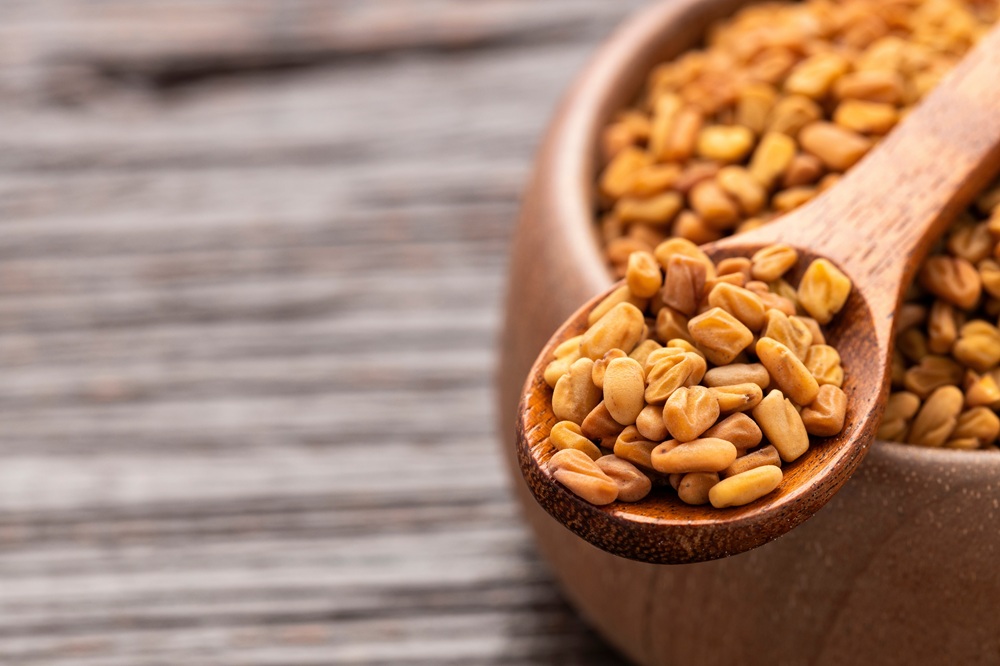
Unlock the incredible health benefits of fenugreek! Dive into our list of the top 10 benefits this amazing herb can provide for your well-being today!
Nutritional profile of fenugreek
Fenugreek, a plant used for its variety of health benefits, has a rich nutritional profile.
- Fenugreek seeds are extremely nutritious and contain a significant amount of protein, dietary fiber and essential vitamins and minerals.
- Vitamins: B6, thiamin, riboflavin and folic acid
- Minerals: iron, magnesium, manganese and copper
- Additionally, fenugreek seeds are rich in antioxidants, such as flavonoids and phenolic compounds, which help protect the body’s cells from oxidative stress and damage. These antioxidants contribute to the herb’s anti-inflammatory and disease-preventing properties.
- The seeds also contain saponins and alkaloids, which have been linked to several health benefits, including improved digestion and reduced cholesterol levels.
This combination of protein, fiber, vitamins, minerals and bioactive compounds makes fenugreek a nutritional powerhouse, capable of supporting overall health and well-being.
Manage blood sugar
One of the best-documented benefits of fenugreek is its ability to regulate blood sugar levels, making it particularly beneficial for people with diabetes. A study published in the International Journal for Vitamin and Nutrition Research found that diabetic patients who consumed fenugreek seeds had significantly reduced fasting blood glucose levels.
Fenugreek contains soluble fiber, which helps slow the absorption of carbohydrates and sugars in the digestive tract. This can lead to a more gradual rise in blood sugar levels, preventing the spikes that are often problematic for diabetics. Studies have shown that consuming fenugreek seeds can significantly improve blood sugar levels and insulin sensitivity.
Fenugreek contains compounds such as 4-hydroxyisoleucine, which is known to improve insulin secretion. This amino acid derivative has been shown to improve insulin function and lower blood sugar levels, making fenugreek a natural and effective option for managing diabetes.
Additionally, the antioxidants in fenugreek help combat oxidative stress, which is often increased in people with diabetes and can contribute to complications such as heart disease and neuropathy.
Increasing milk supply in breastfeeding mothers
Fenugreek has long been used as a galactagogue, a substance that promotes lactation in breastfeeding mothers. This traditional use is supported by modern research. For example, a study published in the Journal of Alternative and Complementary Medicine found that mothers who consumed fenugreek tea produced significantly more breast milk than those who did not.
Fenugreek seeds contain phytoestrogens, which are plant compounds that mimic the effects of estrogen in the body. These compounds can stimulate the mammary glands and improve milk flow.
Fenugreek is generally considered safe for nursing mothers, but it is always advisable to consult a doctor before starting any new supplement, especially while breastfeeding. This natural approach to stimulating lactation can provide much-needed support to new mothers struggling with milk production.
Reduce inflammation
Inflammation is the body’s natural response to injury or infection, but chronic inflammation can lead to a host of health problems, including arthritis, cardiovascular disease and autoimmune diseases. Fenugreek has powerful anti-inflammatory properties that can help reduce these risks.
One of the main components responsible for the anti-inflammatory effects of fenugreek is diosgenina steroidal saponin found to inhibit the production of inflammatory cytokines. These cytokines are signaling molecules that play a crucial role in the inflammatory process. By reducing its production, fenugreek can reduce inflammation and its associated symptoms.
Additionally, the antioxidants in fenugreek neutralize free radicals, further reducing inflammation and preventing cellular damage.
By including fenugreek in the diet, individuals can take advantage of its natural anti-inflammatory properties to support overall health and manage chronic inflammatory conditions.
Healthy intestine
Healthy digestion is crucial to overall well-being, and fenugreek can play an important role in maintaining a healthy digestive system. The high fiber content in fenugreek seeds helps bulk up stools and keep you regular. Research supports the digestive benefits of fenugreek. A study published in the Journal of Ethnopharmacology found that fenugreek extract improved intestinal motility and reduced symptoms of indigestion in animal models.
Additionally, the mucilage in fenugreek seeds forms a gel-like substance when mixed with water, which can soothe the digestive tract and relieve symptoms of indigestion and acid reflux.
Research shows that fenugreek has prebiotic effects, meaning it promotes the growth and diversity of beneficial gut bacteria. A healthy balance of the gut microbiota is essential for proper digestion, nutrient absorption and overall gut health.
By including fenugreek in the diet, individuals can support their digestion and alleviate common gastrointestinal problems.
Stronger heart
Cardiovascular health is a major concern for many people, and fenugreek offers several benefits that can support a healthy heart.
- Lower cholesterol levels – Fenugreek lowers both LDL (bad cholesterol) and HDL (good cholesterol). This reduces plaque buildup in the arteries, lowering the risk of atherosclerosis and heart disease. Fenugreek’s soluble fiber also helps keep your cholesterol low because it binds to cholesterol molecules and prevents them from being absorbed into the bloodstream.
- Lowered blood pressure – Fiber can also be helpful for lowering blood pressure. The antioxidants and potassium in fenugreek can also relax blood vessels and keep blood pressure low.
- Improving overall heart function – By reducing oxidative stress and inflammation, fenugreek helps prevent the development of cardiovascular disease.
By including fenugreek in the diet, individuals can take proactive steps to support their heart health and reduce the risk of cardiovascular disease.
Supplement for balancing hormones
Hormonal imbalances can lead to a variety of health problems, including irregular menstrual cycles, mood swings and menopausal symptoms. Research shows that fenugreek helps balance hormones and provide relief from menstrual symptoms. The seeds contain phytoestrogens, which can mimic the effects of estrogen in the body and help regulate hormonal levels.
Fenugreek can relieve the symptoms of premenstrual syndrome (PMS) and dysmenorrhea (painful periods). Fenugreek’s anti-inflammatory and antispasmodic properties can help reduce menstrual cramps and discomfort. A study published in the journal Phytotherapy Research found that fenugreek extract significantly reduced symptoms of PMS and dysmenorrhea in women. Additionally, the compounds in fenugreek may help stabilize mood and reduce symptoms of anxiety and depression related to hormonal fluctuations. Another study in the Journal of Clinical and Diagnostic Research highlighted fenugreek’s potential in relieving menopausal symptoms such as hot flashes and night sweats.
By including fenugreek in the diet, women can support their hormonal health and find relief from menstrual symptoms.
Treatment for clear skin
Healthy skin is a reflection of overall health, and fenugreek can play an important role in maintaining clear and radiant skin. Its antioxidants, anti-inflammatory and antibacterial properties make it a valuable addition to any skin care routine.
Fenugreek can be used both internally and externally to improve skin health. Consuming fenugreek seeds or supplements can help balance hormones and reduce inflammation, leading to clearer skin. You can apply fenugreek topically as a paste or mask to soothe irritated skin and reduce acne. The mucilage in fenugreek seeds when mixed with water forms a gel-like substance, which can be applied to the skin to provide hydration and reduce dryness.
By incorporating fenugreek into the diet and skin care routine, individuals can support the health of their skin and achieve a brighter, more radiant complexion.
Include fenugreek in your diet
Including fenugreek in your diet can be a simple and effective way to take advantage of its numerous health benefits. There are many ways to incorporate fenugreek into your daily routine, through seeds, supplements or as a culinary spice. Try soaking fenugreek seeds in water overnight and eating them in the morning. You can also grind them into powder and add them to smoothies, soups and stews. Fenugreek tea is another popular option and provides a soothing and nutritious drink.
For those who prefer supplements, fenugreek capsules and extracts are widely available and can provide an easy way to enjoy the health benefits of this powerful herb. It is always advisable to consult a healthcare provider before starting any new supplement, especially for individuals with existing health conditions or those who are pregnant or breastfeeding.
Discover the incredible benefits of fenugreek today and take a step toward a healthier, more balanced life.
The post Top 10 Health Benefits of Fenugreek Today appeared first on Alternative Medicine Magazine.