
Close Menu
  • Home
  • Sexology
  • Herbal
  • Home Remedies
  • Homeopathy
  • Aromatherapy
  • Sound Therapy
  • Spirituality
  • Yoga
  • More
    • Meditation
    • Mental health
    • Fitness
    • Health & Wellness
    • Diet & Nutrition
    • Supplements
    • STDs
    • African Remedies
What's Hot

How Knowing Your Attachment Style Can Help You Have a Good First Date — G&STC

February 18, 2026

The Magic & Medicine Of Oak Trees

February 18, 2026

Suffering From Indigestion? Treat it Naturally with Homeopathy

February 18, 2026
Facebook X (Twitter) Instagram
The Sleeper Must Aweken
  • Privacy Policy
  • Terms & Conditions
  • Contact
Facebook X (Twitter) Instagram
SUBSCRIBE
  • Home
  • Sexology
  • Herbal
  • Home Remedies
  • Homeopathy
  • Aromatherapy
  • Sound Therapy
  • Spirituality
  • Yoga
  • More
    • Meditation
    • Mental health
    • Fitness
    • Health & Wellness
    • Diet & Nutrition
    • Supplements
    • STDs
    • African Remedies
The Sleeper Must Aweken
Home»Meditation»4 Not-so-common Menopause Symptoms |
Meditation

4 Not-so-common Menopause Symptoms |

December 19, 2025No Comments3 Mins Read
Facebook Twitter Pinterest LinkedIn Tumblr Reddit WhatsApp Email
Share
Facebook Twitter LinkedIn Pinterest WhatsApp Email
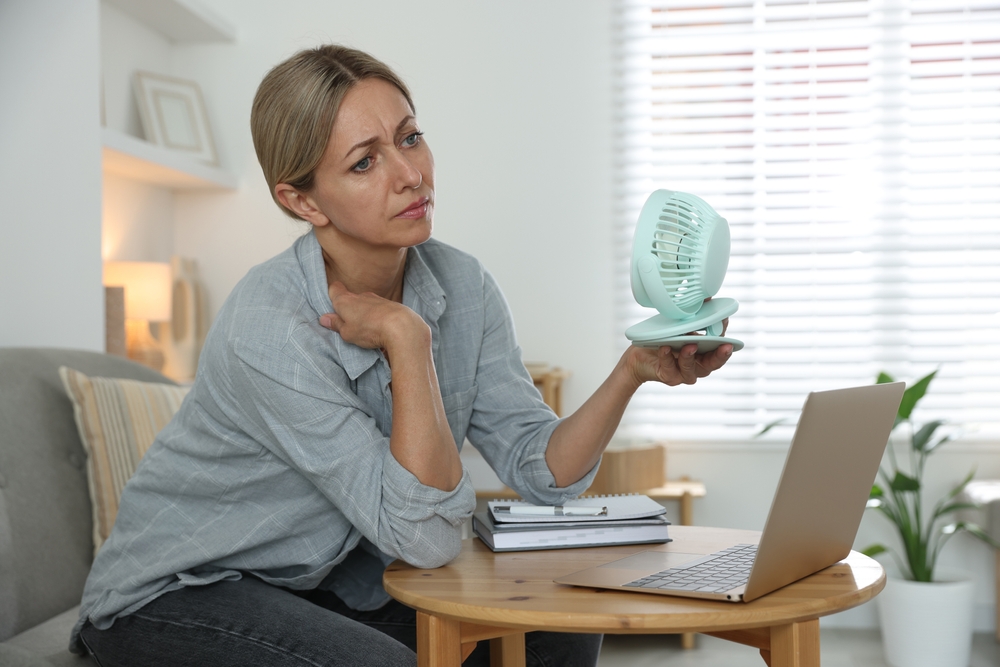
menopausal woman

Although hot flashes and night sweats get most of the attention, some women may experience substandard symptoms. Many menopausal symptoms fall into two camps: hot and dry. Hot flashes can include hot flashes and night sweats, while dry symptoms can include vaginal dryness and general dryness of the skin.

Sometimes changing what you eat can help relieve menopause symptoms. Limiting the amount of caffeine you consume daily and cutting back on spicy foods can make your hot flashes less severe. You can also eat more foods that contain phytoestrogens (nutrients that have estrogen-like properties in the human body). However, four lesser-known symptoms are still common.

Symptoms of menopause

  • Chills: The same part of the brain controls both temperature sensations – hot and cold. Some women may experience a hot flash followed by chills, or their body temperature may drop without an initial hot flash. These sensations are called “temperature dysregulation,” and the same therapies can help both extremes.
  • Thinning hair: Hair thinning is influenced by androgens, which are considered male hormones, such as testosterone. However, hair thinning is more pronounced during middle age. Topical treatments such as minoxidil can help restart the growth process, but it may take several months before noticeable results are achieved. Some oral medications can also help, but may cause unwanted hair in other parts of the body.
  • Loss of fullness in breasts: Your bra size will likely change during menopause. Hormones influence the size and fullness of our breasts throughout life, whether they increase during breastfeeding or decrease during and after menopause. Because breast tissue is replaced by fatty tissue as we age, the shape of your breasts can change over time.
  • Digestive problems and bloating: Dr. Sarah Horvath, an obstetrician/gynecologist at Penn State Health Obstetrics and Gynecology in Hershey, says estrogen also plays a role in regulating digestion. As estrogen production slows, it can lead to bloating and slower digestion. Focusing on a high-fiber diet rich in fruits and vegetables can help regulate digestion.
See also  How Menopause Affects Mental Health |

Other symptoms attributed to menopause may be signs of aging rather than hormonal changes. Some women report ringing in their ears, itchy ears, a burning sensation on their tongue, a metallic taste, or tingling in their toes or fingers. Although these symptoms may coincide with menopause, she would investigate other possible causes.

How long does menopause last?

You can have symptoms of menopause for up to 10 years before it officially occurs. The average duration of menopause symptoms is about seven years. Most women say their symptoms diminish or disappear completely once they reach postmenopause.

Menopause is a point in time, so you don’t stay in menopause. You reach it when you have not had a period for a year. Right after you reach menopause, you enter postmenopause. This phase lasts for the rest of your life.


Related

Source link

Menopause Notsocommon Symptoms

Related Posts

Hormones that Influence a women’s brain… and physiology

February 18, 2026

Chef’s three favorite things to eat when stressed

February 17, 2026

Easy Tuna Casserole

February 16, 2026

Leave A Reply Cancel Reply

Don't Miss
Sexology

How Knowing Your Attachment Style Can Help You Have a Good First Date — G&STC

February 18, 20260

There are a lot of ways a date can go wrong. But how can you…

The Magic & Medicine Of Oak Trees

February 18, 2026

Suffering From Indigestion? Treat it Naturally with Homeopathy

February 18, 2026

Hormones that Influence a women’s brain… and physiology

February 18, 2026
Stay In Touch
  • Facebook
  • Twitter
  • Pinterest
  • Instagram
  • YouTube
  • Vimeo
Our Picks

How Knowing Your Attachment Style Can Help You Have a Good First Date — G&STC

February 18, 2026

The Magic & Medicine Of Oak Trees

February 18, 2026

Suffering From Indigestion? Treat it Naturally with Homeopathy

February 18, 2026

Hormones that Influence a women’s brain… and physiology

February 18, 2026
About Us
About Us

Discover holistic well-being with our health, fitness, and alternative medicine blog. Explore natural remedies, workouts, and wellness tips.

We're accepting new partnerships right now.

Our Picks

Shungite Proving Overview

October 9, 2023

Full Beaver Moon and Women’s Health

November 27, 2023

7 Viral Food Trends RDs Urge You to Ditch in 2025

January 2, 2025

Subscribe to Updates

Get the latest creative Health and Alternative medicine news directly in your inbox!

Facebook X (Twitter) Instagram Pinterest
  • Privacy Policy
  • Terms & Conditions
  • Contact
© 2026 - All rights reserved.

Type above and press Enter to search. Press Esc to cancel.