
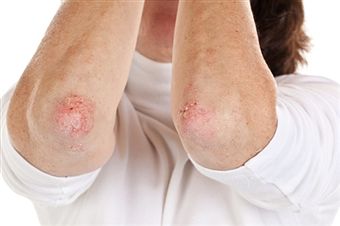

Shingles is a viral disease characterized by a very painful skin rash that usually erupts in the form of cluster blisters on the body. It is also known as Herpes Zoster. The outbreak of shingles presents itself in the form of a cluster of fluid-filled blisters. The hallmark of shingles is that it affects only one side of the body. The blisters are located as a band or strip on one side of the chest and do not cross the midline. Other locations include one side of the forehead or eye. Many patients develop only one episode of shingles in their life, but some people may have recurrent episodes depending on their immunity. The causative agent of Shingles is VZV (Varicella Zoster Virus). The reactivation of VZV causes shingles, and it is the same virus that causes chickenpox (varicella). Only those who ever had chickenpox can develop shingles later in their life. The first exposure to VZV that most commonly occurs in childhood or adolescent leads to chickenpox.
After one is treated for chickenpox, the virus remains dormant in some nerve cells of the spine of our body. When the VZV is in an inactive state in our body, it shows no symptoms. In some people, the virus can get reactivated again due to several factors (not known) and travel along the nerve pathway. It then reaches the skin of the particular area supplied by that nerve and can cause shingles (painful blisters).
Homeopathy is the best alternative treatment mode to treat shingles/herpes zoster in a gentle, yet effective manner. Homeopathy treats shingles magnificently and also reduces the chances of recurrence of the disease. Homeopathy aims to fight viral infection causing shingles to aid symptom relief and complete recovery gradually. By administering well-indicated homeopathic medicines according to characteristic symptoms of the affected patients, great results may be seen. Timely homeopathic treatment also reduces the chances of complications to a great extent. There is no cure for shingles through the conventional system of medicine; medications are aimed to reduce the duration of shingles episodes and to minimize the intensity of pain. Some commonly used medicines in such mode include anti-virals, analgesics (pain medications), and corticosteroids. All these can have side effects. On the other hand, homeopathic medicines have no side effects at all.
Why Choose Homoeopathy? It boosts body’s self – healing mechanism
To help in complete recovery from shingles, homeopathic medicines reach the root cause which is a viral infection. Homeopathic remedies help boost immunity to reduce the intensity of the symptoms initially and gradually offer complete recovery. This way it leads to natural healing in a very gentle, harmless way.
Long term cure rather than suppression
In homeopathic treatment of shingles, medicines work to clear the infection from its roots rather than suppressing it. This yields long-term results rather than just temporary relief. This is achieved with oral medicines taken through the mouth that works on the internal body and not just the surface of the skin. This heals in remarkable recovery.
Effective for post-herpetic neuralgia too
Homeopathy also works very well for post-herpetic neuralgia cases. Homeopathy can naturally help in reducing the intensity of the pain. With time, homeopathic medicines help get rid of this pain entirely without making the person dependent upon them.
Safe Medicines with no side effects
One can easily rely on use of homeopathic medicines as these have no side effects because of their natural origin. These medicines always work to treat health issues without causing any harm.
Top 10 Homeopathic Medicines for Shingles
The 10 most prominently indicated homeopathic medicines for managing shingles are Rhus Toxicodendron, Ranunculus Bulbosus, Mezereum, Natrum Muriaticum, Mercurius Solubilis, Arsenicum Album, Hypericum Perforatum, Sulphur, Apis Mellifica and Croton Tiglium.
1 .Rhus Toxicodendron– Top Grade Medicine For Shingles
Rhus Toxicodendron is a very useful medicine in Herpes Zoster with intense itching in the affected part of the skin. There is also an accompanying burning sensation. It is also a top medicine for managing post herpetic neuralgia with nerve pains and burning sensation after herpes zoster.
When to use Rhus Toxicodendron?
This medicine works wonderfully to manage shingles with marked itching and burning sensation in the rash.
How to use Rhus Toxicodendron?
Among its various potencies, it is best to begin with 30C potency once or twice a day.
2. Ranunculus Bulbosus – For Shingles With Bluish Blackish Vesicles
Ranunculus Bulbosus is a principle medicine for treating herpes zoster with bluish-blackish coloured vesicles. The blisters are filled with fluid and a burning sensation is felt. Itching and burning sensation aggravates from touch. It is also well indicated to manage sharp stitching pain that follows herpes affecting intercostal nerves.
When to use Ranunculus Bulbosus?
This medicine suits well if there is formation of bluish-black vesicles with itching and burning sensation that gets worse from even a slight touch.
How to use Ranunculus Bulbosus?
One may take this medicine once a day at 30C power.
3. Mezereum – For Shingles with Severe Nerve Pain
Mezereum is the most notable medicine to help cases of shingles with marked nerve pain. The eruptions are covered with brownish scabs. There is itching in the eruptions. On scratching, a burning sensation is felt on the affected skin part. Besides, it is effective to manage burning pain after the rash has healed fully.
When to use Mezereum?
Mezereum should be prescribed to manage shingles with marked nerve pain in eruptions.
How to use Mezereum?
It is advised to use Mezereum 30C once a day.
4. Natrum Muriaticum– For Shingles with Blisters Leaving Rough Scaly Skin
Natrum Mur offers effective treatment for shingles when watery blisters burst and leave rough, scaly/flaky skin. Blisters form on the part of the skin that has a burning sensation. Its use is also preferred for crusty, dry eruptions that form in the bends of the limbs and margins of the scalp.
When to use Natrum Muriaticum?
This medicine should be used to treat Herpes Zoster if blisters appear on the skin and are preceded by a burning sensation. On bursting, they leave scaly, rough skin.
How to use Natrum Muriaticum?
It is best to take this medicine in 6X potency twice or thrice a day.
5. Mercurius Solubilis– For Band-Like Rash Encircling The Body
Merc Sol is a suitable medicine for shingles when the rash shapes up on the lower back and extends to the navel and encircles the body. There are blisters that ooze watery discharge from scratching. Fire-like burning sensation is felt due to eruptions from time to time. There is also a tendency of pus formation in the eruptions. Excessive itching is felt in the eruptions.
When to use Mercurius Solubilis?
The key indication to use this medicine in shingles is skin rash starting from the lower back that goes to the navel and encircles the body.
How to use Mercurius Solubilis?
This medicine can be used in both low and high potencies. In most cases, 30C potency is administered once a day.
6. Arsenicum Album – For Shingles with Burning Pains Relieved by Warmth
Arsenic Album is administered in shingles when there is intense burning sensation, cutting or needle-like pain causing restlessness despite weakness. Eruptions may be small, dark, or slow to heal. Sometimes that tends to ulcerate. The patient feels chilly, there is desire for warmth, and the patient may show anxiety about health with marked prostration. Symptoms typically worsen after midnight. It is particularly useful in the elderly or debilitated patients and in post-herpetic neuralgia with hypersensitivity to cold.
When to use Arsenicum album?
This remedy is most useful in cases of burning sensation accompanied by marked exhaustion, anxiety, and chilliness. It should also be considered when neuralgia persists after the eruption heals and warmth provides relief.
How to use Arsenicum album ?
It can be administered in 30C potency every 4–6 hours in the acute stage. The potency may be reduced as improvement sets in.
7. Hypericum Perforatum – For Violent Radiating Nerve Pain
Hypericum Perforatum acts quite deep on injured or inflamed nerves. It is also indicated when shingles follow a clear nerve distribution. The pain is shooting, tearing, or electric in nature. Skin becomes extremely sensitive and even slight touch can cause severe suffering. It is particularly helpful for spinal, facial, or digital involvement and in post-herpetic neuralgia. This medicine is valuable in shingles that involve areas rich in nerve supply or when pain continues long after the vesicles have healed.
When to use Hypericum Perforatum?
This medicine should be administered when neuralgia is the most striking feature, especially if the pain is sharp, shooting, or radiates along the affected nerve.
How to use Hypericum Perforatum?
It can be administered in 30C two or three times daily; higher potencies such as 200 C or 1000C can be used in neuralgia.
8. Sulphur- For Chronic Burning Eruptions with Delayed Healing
Sulphur is mainly indicated in chronic or unhealthy skin conditions. Eruptions that have burning sensation, itchy, and slow to heal are very well managed with this medicine. The patient feels hot, dislikes being covered, and often experiences burning of soles or vertices. Skin may look dry, dirty, or scaly. It is also useful as an intercurrent remedy (a specialised remedy administered when during the course of treatment of a disease progress has stalled).
When to use Sulphur?
Sulphur should be prescribed in chronic or lingering cases especially if the healing is delayed, itching and burning persists, or eruptions tend to relapse.
How to use Sulphur?
It is recommended to take a single dose 200C or short course of 30C depending on the intensity of the symptoms.
9. Apis mellifica – For Stinging, Oedematous Eruptions Relieved by Cold
Apis Mellifica is particularly administered in the early inflammatory stage when skin appears red, swollen, shiny, and oedematous. Vesicles are fluid-filled with stinging pains. The patient is thirstless, heat aggravates, and cold applications relieve. Emotional irritability and sudden onset of the symptoms are often present.
When to use Apis Mellifica?
Apis Mellifica is most appropriate in the initial stage of shingles when inflammation predominates, with marked swelling, redness, and stinging pains. It should be considered when the patient feels better from cold applications and worse from heat, and when vesicles appear tense and fluid-filled.
How to use Apis Mellifica ?
It can be administered 30C every 3–4 hours initially; the frequency can be reduced after inflammation starts reducing. It is advised to take under the guidance of a qualified homeopath.
10. Croton Tiglium – For Clustered Vesicles with Violent Itching
Croton Tiglium is especially suited for shingles of chest, abdomen, or back with clustered vesicles and intense itching mixed with burning sensation. Pain may radiate inwards or backwards. Even slight touch or clothing aggravates itching. Vesicles may rupture easily and ooze.
When to use Croton Tiglium?
This remedy should be considered in thoracic shingles if itching and burning sensation are intense and where the skin is extremely sensitive to touch or pressure. It is particularly helpful when vesicles appear in clusters and the slightest friction aggravates the pain.
How to use Croton Tiglium?
It can be used 30C every 4–6 hours during the acute stage under the guidance of a homeopathic physician.
Contributing Factors that Lead to Shingles
1. Stress: Emotional or psychological stress makes a person more prone to develop shingles since chronic or intense stress weakens our immune system.
2. Increasing Age: Shingles most commonly occur after 50 years of age. The risk of shingles increases with age. It is rarely seen among the children, but older people are more prone to it due to compromised immunity.
3. Impaired Immune System: Shingles mostly develop in people with a weak immune system. Certain diseases like HIV/AIDS, cancer, a long history of medicines intake, long-term use of steroids or immuno-suppressive drugs, autoimmune disorders (like rheumatoid arthritis, inflammatory bowel diseases) make a person more prone to develop shingles.
Shingles – Signs and Symptoms
Early symptoms: The initial symptoms of shingles before the rash develops include fever and feeling of weakness. There may be a feeling of pain, burning and tingling sensation in the affected area.
Skin Rash: Skin rashes in shingles appear as pinkish or red blotches that appear in the form of a band over one side of the trunk (the most common site) along the nerve pathway. The person can also feel shooting type of pain on the rash. At this stage, shingles are not contagious.
Blisters: Blisters are a cluster of fluid-filled eruptions that appear after the rash. They appear as a band over one side of the trunk, and can also develop over one side of the forehead or eye. Blisters continue to grow for many days.
Scab Formation: Over a period of seven to ten days, blisters sometimes ooze a contagious liquid, start becoming cloudy and begin to flatten. Gradually scab starts forming over the flattened blisters. It can take approximately one to two weeks for complete crust formation over the blisters.
At this stage, there are fewer chances of transmission of the virus. The pain also starts subsiding, but in some people, pain continues for months or years.
The Shingles ‘Belt’: Shingles is also referred to as ‘shingles girdle’ or ‘shingles band’ since it looks like a belt or half belt when it appears around the waist or rib cage. Shingles is easily recognizable due to this classic presentation.
Shingles on the Face: Shingles on the face appear in different parts.
Zoster Ophthalmicus: Shingles may commonly involve the trigeminal nerve of the face. The ophthalmic branch is most commonly involved, and when the virus gets reactivated in this nerve branch, it is referred to as zoster ophthalmicus. In some cases, it can cause blindness. The skin of the forehead, the orbit of the eye and upper eyelids may also be involved.
Shingles Oticus: It refers to shingles which involve the ear. It develops when the virus travels from the facial nerve to the vestibulocochlear nerve. In this condition, there are chances of hearing loss and vertigo.
Widespread Shingles: A shingles rash is referred to as a widespread rash when it occurs on more than twenty skin lesions supplied by separate spinal nerves. It is more likely to occur among people with a weak immune system. Infections can also occur in open blisters and can lead to permanent scarring of skin in some individuals.
Healing: In many people, the skin rash starts healing within two to four weeks. Some people are left with minor scars while in some, complete healing without any scarring is observed. Some people can also have continued pain for months or longer after healing has taken place at the site of the rash. This is referred to as post herpetic neuralgia.
Are Shingles Contagious?
Active blisters are contagious. The infection (VZV) can be transmitted to other people through direct contact with the infected people. However, the other person will first develop chickenpox, not shingles if the person never had a VZV infection earlier. On the other hand, if a person has had chickenpox earlier and he gets exposed to the VZV infection, there is a likelihood of developing shingles.
Shingles: Complications
1. Post Herpetic Neuralgia: In some cases, even after the shingles blisters have been cured, the pain continues. When pain persists for more than 90 days, it is termed as Post Herpetic Neuralgia. In some persons, pain continues for months or years even after the herpetic lesions have subsided. Post herpetic neuralgia is most commonly seen with shingles in the mouth which occurs when the mandibular division or the maxillary part of the trigeminal nerve is involved.
2. Neurological Issues: Shingles can cause facial paralysis, hearing problems and issues of balance depending upon which nerves are involved in the infection.
3. Loss of Vision: When shingles involve the eyes, it can cause infection in the eyes and subsequent loss of vision in some cases.
4. Encephalitis: In sporadic cases, shingles may lead to inflammation of the brain resulting in encephalitis (acute inflammation in the brain).
Frequently Asked Questions
1. How does the rash of shingles look?
The rash typically begins as a reddish patch that quickly develops into clusters of fluid-filled vesicles arranged in a band-like pattern along the path of the nerve. These blisters may burst, crust, and heal over two to four weeks, often leaving temporary pigmentation.
2. How soon should homoeopathic medicines be initiated in shingles?
It should be initiated in early stages even during inflammatory stages, before eruption appears. Early intervention can help in controlling the severity and extent of the disease.
3. Can homoeopathy help in preventing scarring after shingles?
Yes, homeopathic medicines help in natural healing of the eruptions if administered properly on the basis of skin type, type of eruptions and constitutional features of the individual.
4. How long does shingles usually last?
The active phase of shingles typically lasts two to four weeks. Pain may persist longer, especially among the older individuals. With appropriate treatment and supportive care, healing may occur faster and the risk of neuralgia can be reduced.
5. How can homeopathy help in shingles?
Homeopathy aims to reduce the intensity of the eruptions, and relieve one of the burning sensation and neuralgic pain. It heals faster, and lowers the chance of post-herpetic neuralgia. Remedies are selected individually based on the patient’s pain character, skin symptoms, general constitution, and modalities rather than only on the diagnosis.
6. What precautions should a patient with shingles take?
Patients should keep the affected area clean and dry, avoid scratching or rupturing the vesicles, wear loose cotton clothing, and rest adequately. Stress reduction, proper nutrition, and hydration helps in recovery. Close contact with infants, pregnant women, and immuno-compromised persons should be avoided until crusting occurs.
7. What diet is advisable in shingles?
A light, nutritious diet rich in fruits, vegetables, whole grains, and protein helps support immunity and healing. Patients should avoid excessive spicy food, junk food, alcohol, and refined sugars, as these may aggravate inflammation and delay recovery.
8. When should a patient seek urgent medical care?
Immediate medical attention is required if shingles affects the eye, face, or ear; if severe pain or high fever develops; if the patient is elderly or immuno-compromised; or if blisters show signs of secondary infection such as pus, increasing redness, or swelling.
9. Can shingles recur?
Yes, although uncommon, shingles may recur, especially among individuals with weakened immunity or chronic stress. Strengthening general health, improving immunity, and constitutional homeopathic treatment may help reduce recurrence.
10 .Who are prone to develop shingles?
Shingles is more common in elderly individuals, people with weakened immunity, patients under prolonged stress, diabetics, cancer patients, or those taking immunosuppressive drugs. However, it can also occur among younger individuals following severe stress, infections, or exhaustion.