
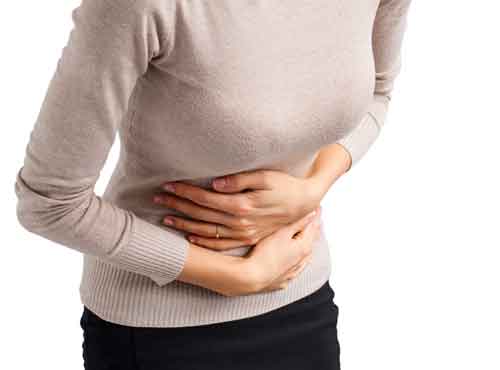
Painful periods/menses are medically known as dysmenorrhea. Slight pain or discomfort is normal during menses but it is not normal to have intense pain that interferes with routine activities. In the latter cases, the cause needs to be identified followed by a proper treatment.
Homeopathic remedies are very successful in managing various gynecological complaints among women including pain during periods. Along with managing pain, these also manage accompanying complaints like nausea, vomiting, and heavy periods.
Homeopathy addresses the root cause
Conventional mode mainly prescribes pain-killers and hormonal birth control pills to relieve menstrual cramps. These medicines help in managing pain during the periods, but they offer temporary relief without addressing the underlying cause behind it. Therefore, the complaint may recur again. On the other hand, homeopathic treatment works in two phases. In the first phase, it helps provide relief in pain. In the next phase, it addresses the rootcause that results in gradual decrease in the intensity of pain each month till the time it goes away completely.
Individualized prescription
Homeopathic medicine for every case of painful periods is decided individually for every case. Many factors are considered before finalizing the prescription. These include the type of pain, any radiation of pain to the back, thigh or legs, modalities (worsening and relieving factors of pain), any associated complaints like nausea, vomiting, heavy bleeding, headache etc, and the cause behind it. Taking homeopathic treatment under a homeopathic doctor’s guidance leads to wonderful results in these cases.
Safe and Gentle Treatment
Homeopathic medicines are completely safe to use. These are made of natural substances. They work gently to overcome this complaint with zero side effects.
Top 12 Homeopathic Remedies For Menstrual Pain
The most important homeopathic medicines to manage menstrual pain are Magnesium Phosphorica, Colocynthis, Pulsatilla Nigricans, Belladonna, Sabina, Sepia Officinalis, Ipecacuanha, Kali Carbonicum, Cimicifuga Racemosa, Lachesis Muta, Lilium Tigrinum and Veratrum Album.

1. Magnesium Phosphorica: Top-Grade Medicine for Dysmenorrhea
Magnesium Phosphorica is the best homeopathic pain relief medicine during periods. This medicine can be used to manage any type of pain in the lower abdomen during menses like, cramping, shooting or, cutting sensation (as if something is being cut inside the abdomen). One may be relieved of pain from warm applications as from a heating pad, using hot water bottle over the affected part. Pressing the abdomen also relieves one of pain.
When to use Magnesia Phosphorica?
It is a highly effective medicine for managing painful menses when pressure and warm applications like heating pad/hot water bottle over lower abdomen gives relief.
How to use Magnesia Phosphorica?
Its use is mostly preferred in 6X potency that comes in tablet form. Four tablets of Magnesia Phosphorica 6X can be repeated every three to four hours to afford relief in menstrual cramps. As the intensity of pain comes down, it should be administered just once or twice a day during the rest of the time of periods.
2. Colocynthis: For Menstrual Cramps Better from Bending Double
Colocynthis is a natural medicine prepared from the pulp of fruit of plant ‘bitter cucumber’. This medicine is recommended to manage menstrual cramps that are relieved from bending double (bending forward over the abdomen and touching toes with your hands). The pain worsens from eating or drinking anything. There may be a tendency to have heavy periods or frequent periods for those who need it.
When to use Colocynthis?
This medicine should be administered in cases of painful menses where pain increases from eating/drinking. Bending forward reduces the intensity of pain.
How to use Colocynthis?
30C is the most frequently used potency of this medicine. It can be taken two to three times a day during periods depending on the intensity of the pain.
3. Pulsatilla Nigricans-For Bearing– Down Menstrual Cramps
Pusatilla Nigricans is one of the leading remedies for dysmenorrhea with delayed, scanty, irregular menses, often dark, thick or clotted, especially at puberty. Dysmenorrhea is marked by crampy, bearing-down pains that are worse while lying down, with chilliness, pallor and great weakness during periods. The flow may be intermittent or suppressed after getting wet. Pulsatilla is an important medicine for the cases like Amenorrhea and Metrorrhagia.
When to Pulsatilla Nigricans?
It works well in Dysmenorrhea when the menses are delayed, scanty, dark or irregular, especially at puberty along with crampy bearing-down pain that gets worse by lying down.
How to use Pulsatilla Nigricans?
It can be started with lower potency, 30C once a day. Other potencies such as 200C, 1M can be used only under the guidance of qualified homoeopath.
4. Belladonna: For Menstrual Pain radiating to Back and Legs
Belladonna is used for treating throbbing pain during periods. It is a very suitable medicine for managing pain in the lower abdomen, lower back and legs during periods. Cramps occur in the uterus and also intense bearing down sensation is felt in the uterus. Bearing down gets worse on lying down. Bleeding during periods is bright red, profuse and hot. Headache and a heated sensation in the head usually accompanies bleeding.
When to use Belladonna?
This medicine should be administered if there is marked pain in lower abdomen, lower back and legs during menses along with bearing down sensation in the uterus that becomes worse on lying down.
How to use Belladonna?
It can be taken once or twice daily in 30C potency during menses.
5. Sabina: For Pelvic Pain radiating from From Back To front
It is a very beneficial medicine to manage painful periods especially if the pain goes away from the lower back to the pubes. The pain gets worse while walking. There is relief from lying flat on the back with extended legs. Besides pain, periods are heavy. The menstrual blood is bright red and has clots. Headache, nausea and vomiting may take place in some cases. It is a very effective medicine to treat cases of uterine fibroid and endometriosis.
When to use Sabina?
Sabina should be used when pain specifically hits the lower back and goes to the pubes during menses usually accompanied with heavy periods and clots.
How to use Sabina?
Though it can be used in different potencies, it is advised to start with 30C potency. It can be administered two or three times in 30C potency as per the severity of pain during periods.
6. Sepia Officinalis: For Painful Menses With Scanty Menstrual Bleeding
Sepia is very useful to help treat certain cases of pain during menses when accompanied with scanty blood flow. The main characteristic of pain to use this medicine is bearing down feeling in the pelvis area as if the pelvic organs will come out of the vagina. Those who need this medicine may experience a headache on the one side during the menses. Sepia is an important medicine to deal with cases of uterine fibroids and pelvic inflammatory disease.
When to use Sepia Officinalis?
Sepia can be used in case of painful periods along with scanty menstrual flow with prominent bearing down sensation in the pelvic area.
How to use Sepia Officinalis?
In 30C potency, it can be taken once or twice daily to relieve one of pain and improve blood flow during the periods. It can also be used to treat cases of uterine fibroids and pelvic inflammatory disease. For this, the potency and repetition vary, so it is advised to consult a homeopathic doctor before starting this medicine.
7. Ipecacuanha: For Painful Periods With Nausea and Vomiting
Ipecacuanha is the top natural remedy for painful periods if there is an accompanying nausea and vomiting. There is persistent nausea during periods with pain in the lower abdomen. Cutting or tearing sensation is felt in the uterus. It travels from the left to right side. The bleeding is heavy and bright red during the periods.
When to use Ipecacuanha?
Its used should particularly when painful periods are accompanied by nausea and vomiting.
How to use Ipecacuanha?
Ipecac 30C can be taken once or twice a day during periods.
8. Kali Carbonicum: For Dysmenorrhea with Severe Backache
Kali Carbonicum is another medicine that deals with pain during menses. This medicine is prescribed if there is a sensation of something being torn apart in the lower abdomen, back and hips. Backache intensifies and worsens from walking. The patient gets relief from backache by sitting or applying pressure on the back. One may feel weakness or sleepy.
When to use Kali Carbonicum?
It is an ideal prescription for managing pain in the lower abdomen, lower back and hips during menses.
How to use Kali Carbonicum?
One may use it in 30C potency once or twice a day during menses.
9. Cimicifuga Racemosa – For Dysmenorrhea Worse at Beginning of Menses
Cimicifuga Racemosa is indicated in dysmenorrhea with profuse, dark, clotted and offensive flow, where pain increases as the flow increases. The pain is severe, neuralgic, and shifts across the pelvis from hip to hip, often radiating down the thighs or from ovary to ovary. Menses may be irregular, suppressed by cold or emotions, and accompanied by marked backache, nervousness and extreme sensitivity to pain. The patient feels exhausted between periods.
When to use Cimicifuga Racemosa?
It works well when severe neuralgic pelvic pain radiates hip to hip with marked nervousness, backache, and extreme sensitivity to pain.
How to use Cimicifuga Racemosa?
It can be started with lower potency 30C once in a day.
10. Lachesis Muta- For Dysmenorrhea Worse Before Menses
Lachesis is a top remedy in Dysmenorrhea when the menses are scanty, dark, and acrid, with pain that is intense when the flow is suppressed or feeble —the less the flow, the greater the suffering. The pain is labour-like, often begins on the first day, and is prominently on the left-side, especially in the left ovary, which feels swollen and sensitive. All pains are characteristically relieved once the flow is slightly better.
When to use Lachesis Muta?
It is administered when the pain gets worse before the flow and noticeably relieved as soon as the flow starts.
How to use Lachesis Muta?
It can be started with 30C potency once a day.
11. Lilium Tigrinum-For Dysmenorrhea with Severe Bearing-Down Sensation
Lilium Tigrinum is administered in dysmenorrhea characterised by intense bearing-down pains in the uterine region, as if the pelvic organs would protrude, compelling the patient to support the parts. Dysmenorrhea with sensation of constriction beginning in the back, extending around the hips, and ending in the pubic region. The menses are scanty, dark, clotted, and offensive; the flow appears only while moving and ceases on resting. Stinging pain in the left ovary, radiating down the thighs, is another marked indication.
When to use Lilium Tigrinum?
Lilium Tigrinum works wonders in dysmenorrhea with a marked sensation of constriction from the back around the hips to the pubes, accompanied by intense bearing-down sensation in the pelvic region.
How to Use Lilium Tigrinum?
It can be started with lower potency 30C, once in a day.Other potencies such as 200C,1M can be given only under the guidance of qualified physician.
12. Veratrum Album- For Dysmenorrhea with Cold Sweat and Exhaustion
Veratrum album is indicated in dysmenorrhea accompanied by extreme coldness, cold sweat (especially on the forehead), and great prostration. The pains are severe and cramping, often associated with nausea and vomiting, during menses. The patient may faint from least exertion, with marked weakness and collapse-like state. Menses begin early, and are profuse and exhausting.
When to use Veratrum Album?
Veratrum album is a leading medicine in dysmenorrhea with severe cramping pains accompanied by extreme coldness, cold sweat, and marked prostration.
How to use Veratrum Album?
It can be administered in lower potency 30C once in a day.
Types And Causes Of Dysmenorrhoea
Dysmenorrhea is of two types i.e. primary and secondary.
1. Primary Dysmenorrhea: In this type, pain does not arise from any medical condition. It is caused due to excessive prostaglandins (chemicals) released from the uterus that cause contraction and relaxation of muscles of the uterus leading to cramps). This pain affects females who are younger, soon after they start having This type of pain tends to decrease as the age increases.
2. Secondary Dysmenorrhoea: It arises due to to some other medical condition affecting the uterus. This type begins later in life. Some of the medical conditions that could lead to this type of dysmenorrhea are as follows:
a) Uterine fibroids (leiomyomas): Non-cancerous (benign) growths in the uterus that may grow in the wall of the uterus, inside the uterine cavity or outside the wall of the uterus.
b) Endometriosis: A medical condition in which the cells that line the uterus start to grow at places other than the uterus, like in fallopian tubes, ovaries, rectum, urinary bladder, etc.
c) Pelvic inflammatory disease (PID): It refers to an infection in the reproductive organs of females. It may occur in the uterus, cervix, ovaries, and fallopian tubes. It is mainly caused by sexually transmitted bacterial infection.
d) Adenomyosis: A condition in which the tissue that lines the uterus begins to grow into the muscle layer of the uterus.
e) Cervical stenosis: Narrowing of the opening of cervix that hinders menstrual blood flow that increases pressure in the uterus leading to pain.
Who Is At Risk Of Painful Menses?
1. Females less than 20 years of age
2. Females who hit puberty early before 11 years of age
3. Females with family history of painful menses
4. Heavy periods and irregular menses
5. Females who smoke
Symptoms Accompanying Painful Menses
1. Cramping type of pain in lower abdomen that varies in intensity from mild to severe. In some cases, there can be throbbing or dull pain.
2. The pain can start a few days (1 to four days) before periods, increase during the beginning of the menses and recede in two to three days. The pain can extend down the thighs and lower back in some cases.
3. The pain can be accompanied by nausea, vomiting, headache, loose motion and dizziness.
4. Depending on the cause, painful periods can be accompanied by other complaints like heavy periods, abdominal bloating, painful bowel movements, painful urination, foul smelling vaginal discharge, fever, etc.
Frequently Asked Questions
1. Is it normal to have pain during periods?
Mild to moderate pain is common. However, severe pain that interferes with daily activities is not normal and needs medical evaluation.
2. Can stress make period pain worse?
Yes, stress can increase hormonal imbalance and worsen cramps during periods.
3. Can dysmenorrhea affect fertility?
Primary dysmenoorhea does not affect fertility but secondary dysmenorrhea can.
4. Can lifestyle affect menstrual pain?
Yes. Lack of exercise, poor diet, stress, smoking, and excess caffeine may increase menstrual discomfort.
5. Does heat therapy help?
Yes. Warm compress or heating pad relaxes uterine muscles and reduces cramping.
6. Why does menstrual pain radiate to the back or thighs?
The uterus shares nerve pathways with the lower back and thighs, so strong contractions can cause referred pain in these areas.
7. Can dehydration worsen symptoms?
Yes. Proper hydration helps in reducing muscle cramping and fatigue.
8. How is dysmenorrhea diagnosed?
Diagnosis is mainly clinical based on symptoms. Ultrasound or further tests are done if secondary causes are suspected.
9. Can stress management reduce menstrual pain?
Yes. Relaxation techniques, meditation, and breathing exercises can help lower pain intensity.
10. Is long-term untreated dysmenorrhea harmful?
Primary dysmenorrhea usually does not cause harm, but ignoring secondary dysmenorrhea may delay proper treatment.