
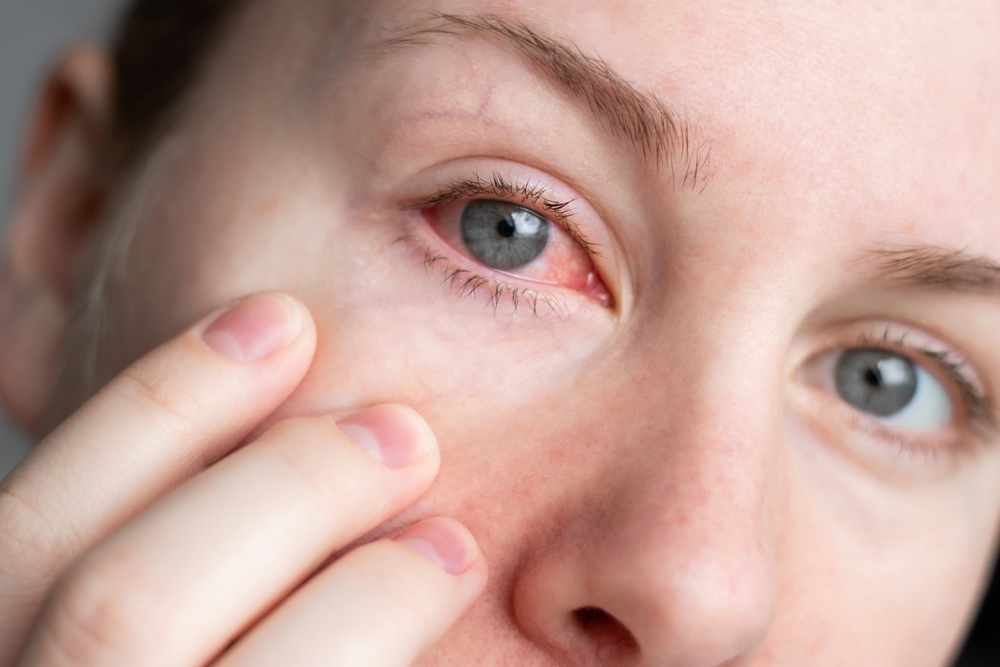
Eye allergy season has already begun in many parts of the country. Many people may confuse allergy-related symptoms with other eye conditions that require different treatment. Here are some tips.
Tips to Overcome Spring Eye Allergies
As pollen exposure increases during the spring months, patients often experience itchy eyes, redness, tearing, swelling of the eyelids, light sensitivity, and a gritty or irritated feeling. While these symptoms are often related to seasonal allergies, they can also overlap with dry eye, blepharitis, and other ocular surface disorders.
According to the American Academy of Ophthalmology, eye allergies, also called allergic conjunctivitis, are fairly standard. They occur when the eyes react to something that irritates them (called an allergen). The eyes produce a substance called histamine to combat the allergen. As a result, the eyelids and conjunctiva become red, swollen and itchy. The eyes can tear and burn. Unlike other types of conjunctivitis, eye allergies do not spread from person to person.
Patients with Spring eye allergies often have nasal allergies, an itchy, stuffy nose and sneezing. It is usually a temporary condition related to seasonal allergies.
You can also develop eye allergies from pet dander, dust, pollen, smoke, perfumes, or even food. If you can’t avoid the cause, your allergies may be more severe. You may experience significant burning and itching and even sensitivity to light.
“This time of year, many patients come in having tried several over-the-counter drops without much relief,” says Dr. Aykanush Sungulyan, OD, Founder of RevitalEyes Optometry. “In many cases, the problem isn’t just allergies. We often see a combination of allergy-related inflammation and underlying dry eye, and proper treatment depends on identifying what is actually causing the symptoms.”
That distinction is important because treating the wrong condition can delay relief and sometimes worsen discomfort. Contact lens wearers can be especially vulnerable during allergy season because lenses can trap allergens against the surface of the eye and make symptoms more pronounced.
What are the symptoms of eye allergies? The most common symptoms of eye allergy are:
- red, swollen or itchy eyes
- burning or watering of the eyes
- sensitivity to light
For mild symptoms, preservative-free artificial tears can help flush allergens from the eyes and provide temporary relief. Reducing exposure to outdoor air during high pollen periods, washing the face and eyelids after spending time outdoors, and avoiding eye rubbing can also help minimize irritation.
Spring Eye Allergy Management
- Avoid triggers by making changes to your home and your routine.
- Keep windows closed during periods of high pollen; use air conditioning in your home and car.
- Wear glasses or sunglasses outdoors to keep pollen out of your eyes.
- Wash your hands and face regularly.
However, symptoms that persist, worsen, or are accompanied by pain, significant light sensitivity, or vision changes should be evaluated promptly by an ophthalmologist. A comprehensive examination can help determine whether prescription allergy drops, dry eye treatment, contact lens adjustments, or additional care may be needed.
If you experience persistent eye irritation this spring, request an in-person evaluation rather than relying solely on self-treatment.
The post Spring eye allergy season has already begun appeared first on Alternative Medicine Magazine.