
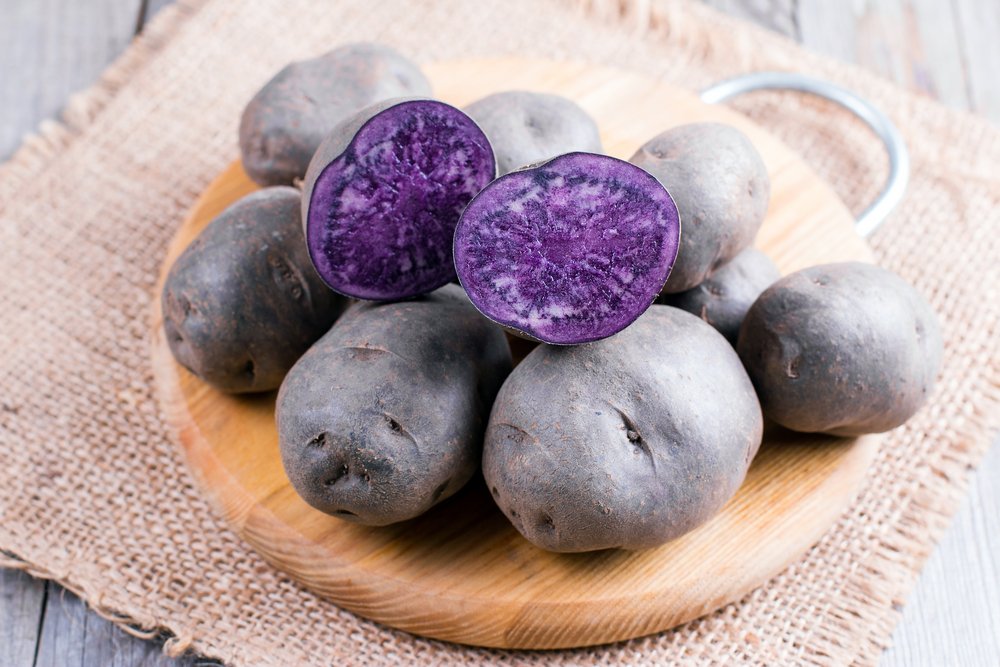


Purple potatoes are similar in taste to a regular russet potato. They have a creamy texture and are rich in flavor. Purple potatoes taste great when baked, roasted, mashed or baked. They add color and style to your meal. Try them in a potato salad or bake purple potato chips for a fun treat.
The purple potato is native to Peru and Bolivia and spread to Europe in the 16th century when Spanish sailors collected the tubers and used them to cure scurvy before long voyages. They were recently introduced to the United States in the mid-1980s and first became popular in Los Angeles for their versatility, health benefits, and vibrant colors. They can be found at specialty stores and local farmers markets.
Purple potatoes are nutritious
Like other potato varieties, purple potatoes contain a variety of nutrients and can be a healthy addition to your diet. From cardiovascular health support to cognitive performance enhancement, these tubers have so much more to offer than the white potatoes most of us enjoy.
Here are some of the most exciting health benefits of purple potatoes:
Can help control blood pressure
Purple potatoes have been found to improve blood pressure. This effect may be related to their polyphenolic antioxidant compounds, which act in a manner similar to that of some antihypertensive medications.
Several studies have reported that purple potatoes can lower blood pressure, possibly due to their high content of chlorogenic acid and potassium. Just make sure you cook them in a healthy way! In other words, opt for boiled or roasted instead of fried purple potato meals.
Full of powerful antioxidants
When it comes to antioxidants, the deeper the color, the better. Purple potatoes are packed with anthocyanins, a type of antioxidant that has been shown to reduce the risk of several chronic diseases. The red and purple fleshed potatoes contain an average of 16 to 57 mg of anthocyanins per 100 g, and other research shows that their antioxidant power is comparable to that of Brussels sprouts or spinach.
In some cases, the way you cook food can affect its antioxidant content. The greatest losses of antioxidants came from stir-frying (60%) and baking (22%); while microwaving (6%) and cooking (8%) retained most nutrients. This doesn’t mean you should never stir-fry or bake purple potatoes, but to get the most antioxidants for your money, you can try other cooking methods. Check out our recipe for grilled purple potatoes.
The immune system prevents numerous diseases and cures infections. However, sometimes it needs a little help. Eating a diet rich in antioxidants can provide that extra boost. Continue eating other fruits and vegetables known for their antioxidants (like blueberries) and substitute these purple potatoes now to boost your immune system.
Promote heart health and increase immunity
Purple potatoes’ high antioxidant content translates into impressive heart health benefits. A recent study examined how purple potato extract (180 ml per day) compares to a commonly used blood pressure medication called captopril. Not only did purple potato extract significantly improve people’s blood pressure, but it also significantly increased blood pressure-fighting antioxidants in people’s blood.
Taking it a step further, another study tried to find out how eating whole purple potatoes affected arterial stiffness, which can lead to high blood pressure and heart disease. People in this study were given either 200 grams of purple potato (about 1 medium potato) packed with anthocyanins or 200 grams of white potato with negligible anthocyanins. After two weeks, blood pressure improved significantly in those who ate purple potatoes compared to white potatoes.
Purple potatoes have a host of health benefits, most of which come from their high antioxidant content. Eating it can help reduce the inflammation and damage that can lead to chronic diseases, such as heart disease and cancer. There are plenty of compelling reasons to get these brightly colored beauties on your plate.
