
Close Menu
  • Home
  • Sexology
  • Herbal
  • Home Remedies
  • Homeopathy
  • Aromatherapy
  • Sound Therapy
  • Spirituality
  • Yoga
  • More
    • Meditation
    • Mental health
    • Fitness
    • Health & Wellness
    • Diet & Nutrition
    • Supplements
    • STDs
    • African Remedies
What's Hot

Which Option Suits Your Relationship Best?

June 19, 2026

Building Your Home Apothecary: Essentials from an Online Herbal Medicine Course

June 19, 2026

Summer and Nature’s Intelligence – TCM World

June 19, 2026
Facebook X (Twitter) Instagram
The Sleeper Must Aweken
  • Privacy Policy
  • Terms & Conditions
  • Contact
Facebook X (Twitter) Instagram
SUBSCRIBE
  • Home
  • Sexology
  • Herbal
  • Home Remedies
  • Homeopathy
  • Aromatherapy
  • Sound Therapy
  • Spirituality
  • Yoga
  • More
    • Meditation
    • Mental health
    • Fitness
    • Health & Wellness
    • Diet & Nutrition
    • Supplements
    • STDs
    • African Remedies
The Sleeper Must Aweken
Home»Sexology»Is Pelvic Organ Prolapse the Cause?
Sexology

Is Pelvic Organ Prolapse the Cause?

February 29, 2024No Comments3 Mins Read
Facebook Twitter Pinterest LinkedIn Tumblr Reddit WhatsApp Email
Share
Facebook Twitter LinkedIn Pinterest WhatsApp Email

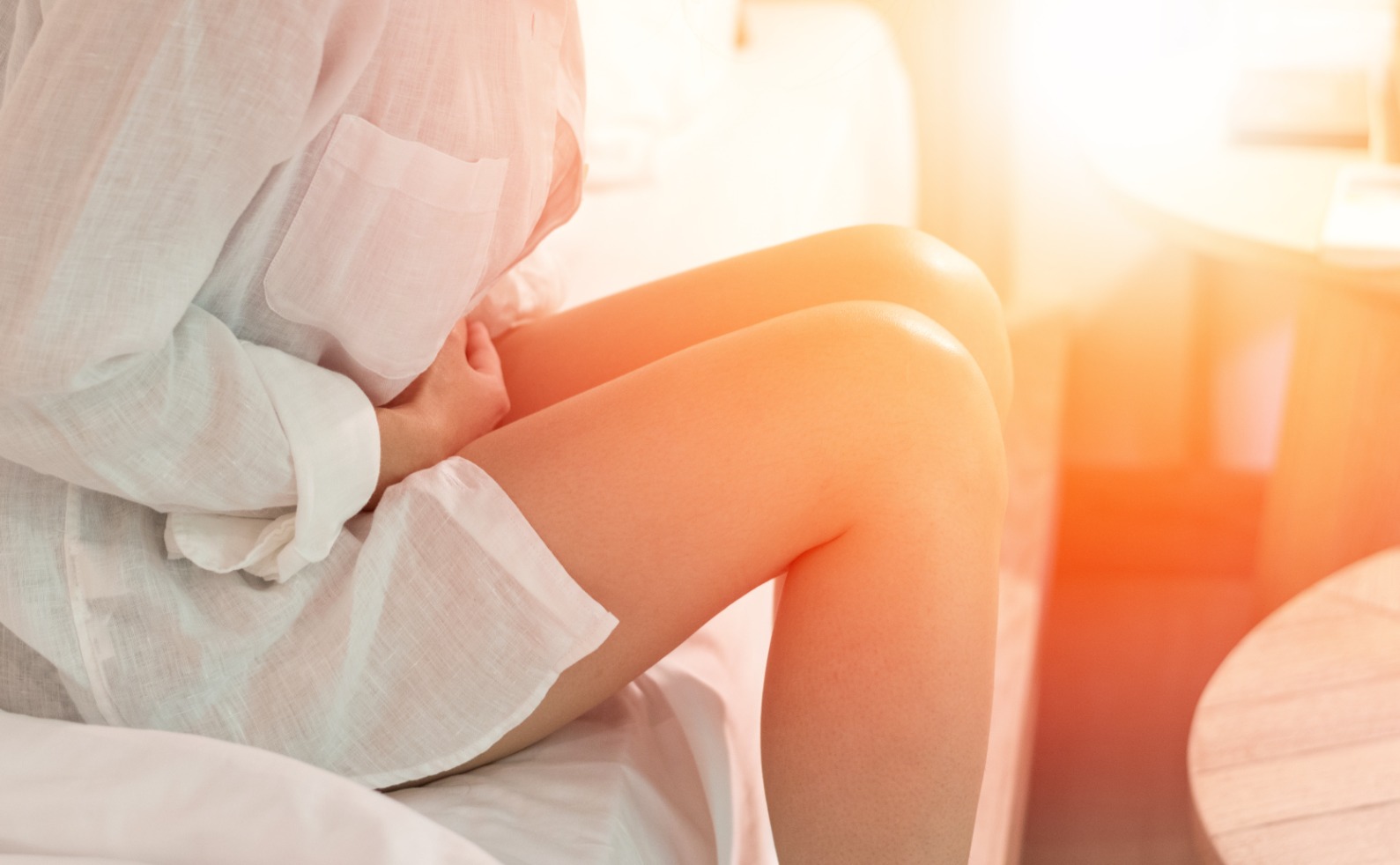
One common cause of pain with intercourse is pelvic organ prolapse (POP). POP is a common condition, affecting as many as half of all women over 50. POP is defined as the abnormal descent or herniation of the pelvic organs from their normal attachment sites or their normal position in the pelvis. Organs that can “fall” into the vagina from their normal position are the bladder, uterus, small bowel and rectum. 

Anything that causes increased pressure in the abdomen can lead to pelvic organ prolapse. Pregnancy and childbirth are the most common causes, especially for women who have had multiple vaginal deliveries. Other causes include obesity, respiratory problems that cause chronic cough, constipation, pelvic organ cancers and surgical removal of the uterus. Genetics may also play a role, since connective tissues may be weaker in some women putting them at greater risk. 

In mild cases, women may notice nothing at all. However, in more severe cases women report a feeling of pressure or fullness in the pelvic area, low backache, painful intercourse, a feeling of a ball between the legs, leakage of urine, constipation and/or vaginal bleeding. Pelvic organ prolapse can be easily diagnosed by your women’s health care provider during a pelvic exam. 

If you have a mild case of POP, Kegel exercises (performed daily, and properly!) can help by restoring the integrity of the muscles in the pelvic floor. Your clinician may even recommend you see a pelvic floor physical therapist to help with this. Other things you can do include maintaining a healthy body weight, preventing constipation, and quitting smoking.

See also  Bottoming 101: Anal Health & Supportive Care for Gay Men

Since pelvic organ prolapse can alter the positioning of the vagina, many women with this condition may experience some degree of pain with intercourse. Luckily, we know there are certain sexual positions to avoid, and some to try:

Avoid: Standing, “Cowgirl,” or “Reverse Cowgirl.” In these positions, gravity is not your friend and being upright will only create more downward pressure on the pelvis during sex.

Try: “Modified Missionary Position.” In this position, the woman lies on her back with a pillow under her hips. Her partner is on top. 

Also Try: “From Behind.” The woman lies flat on her stomach or in a supported kneeling position. Her partner is able to enter from behind. 

For all women, but especially women with POP, it is so important that you communicate with your partner about what feels good and what does not. Sex should be fun, so if something is not right, please speak up! If you are not sure whether you have POP, consult with your women’s health care provider. 

If you’re experiencing painful sex, we can help. Contact us for a free phone consultation.


Source link

Organ Pelvic Prolapse

Related Posts

Check out G&STC’s Director Jesse Kahn talking with Gabrielle Kassel at Women’s Health about The Best Lesbian & Queer Sex Positions to Try

June 19, 2026

What is It And How Can You Manage It? — G&STC

June 17, 2026

Meet Alyssa Frager, NP: Bringing Specialized Bowel & Pelvic Floor Care to Maze Health

June 17, 2026

Leave A Reply Cancel Reply

Don't Miss
Health & Wellness

Which Option Suits Your Relationship Best?

June 19, 20260

Choosing between in-person and online couples therapy isn’t simply a logistical question. It’s relational.…

Building Your Home Apothecary: Essentials from an Online Herbal Medicine Course

June 19, 2026

Summer and Nature’s Intelligence – TCM World

June 19, 2026

Essential oils to support spellcraft and intention-setting

June 19, 2026
Stay In Touch
  • Facebook
  • Twitter
  • Pinterest
  • Instagram
  • YouTube
  • Vimeo
Our Picks

Which Option Suits Your Relationship Best?

June 19, 2026

Building Your Home Apothecary: Essentials from an Online Herbal Medicine Course

June 19, 2026

Summer and Nature’s Intelligence – TCM World

June 19, 2026

Essential oils to support spellcraft and intention-setting

June 19, 2026
About Us
About Us

Discover holistic well-being with our health, fitness, and alternative medicine blog. Explore natural remedies, workouts, and wellness tips.

We're accepting new partnerships right now.

Our Picks

Red Root: A Rich History and Richer Health Benefits

February 14, 2024

Homeopathic treatment for Alopecia Areata and Bald patches

February 2, 2026

Foraging Juneberry: Identification, Benefits And Uses.

August 12, 2024

Subscribe to Updates

Get the latest creative Health and Alternative medicine news directly in your inbox!

Facebook X (Twitter) Instagram Pinterest
  • Privacy Policy
  • Terms & Conditions
  • Contact
© 2026 - All rights reserved.

Type above and press Enter to search. Press Esc to cancel.