
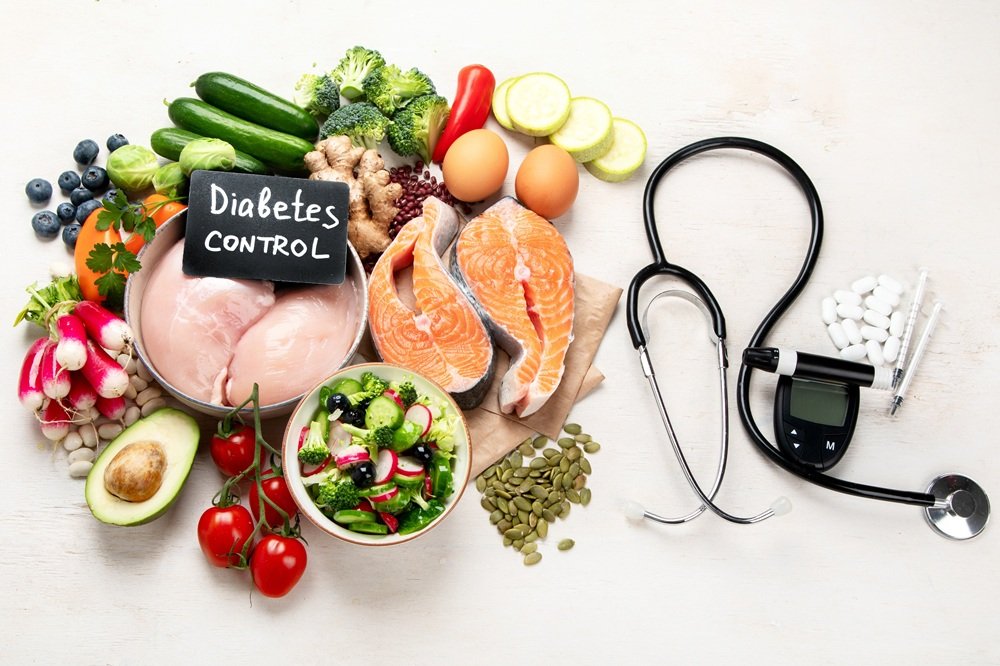


For most Americans, type 2 diabetes already affects or will affect their lives. The numbers of Americans with diabetes continues to skyrocket and those with concerningly high markers indicating pre-diabetes also continue to grow. Statistics, such as a troubling number of children (under 18) developing type 2 diabetes and the staggering 93 percent of Americans who are in poor metabolic health, cause concern for the future of our nation’s health.
Medication is the main method for managing type 2 diabetes, but this reliance on medication comes with a set of undesirable effects, drives up the cost of health care, and does not address the growing health crisis facing our nation. It’s critical to find diets that will manage or even reverse diabetes.
Diabetes 101
Diabetes is considered a chronic disease where the body loses its ability to manage the amount of sugar in the blood. Two factors contribute to this overload of sugar. One, cells throughout the body (muscle cells, fat cells, and liver cells) do not respond to insulin signaling to take in and store sugar. This leaves too much sugar circulating in the blood. Two, the pancreas loses its ability to produce enough insulin to control blood sugar. Both of these factors issue first from high levels of insulin.
According to Mark Hyman, a functional medicine doctor and renowned health speaker, by the time your blood sugar levels elevate, you are already well on your way to diabetes and other health conditions. Insulin is the true key to the problem. Taking action when insulin levels rise and working to lower insulin levels can prevent and reverse diabetes.
What is insulin?
Insulin is a hormone in your body that tells cells what to do with energy, such as sugar. Typically, when someone eats a meal, the pancreas produces insulin that tells the cells what to do with that energy. Some cells will take in the energy to use; others will store the energy for future use. Insulin makes sure that blood sugar levels do not get too high or stay high. However, today’s typical diet keeps the body in a constant state of elevated insulin, as the body is constantly managing an influx of sugar and carbohydrates.
Starchy, sugary breakfasts start most people’s days with a spike in blood sugar that leaves the pancreas pumping out insulin to bring it down. The rest of the day follows the same pattern with a barrage of sugar-filled beverages, highly-processed snacks, and carb-heavy meals that are too easily converted to glucose and raise blood sugar. The pancreas is busy all day managing all of this energy, producing insulin at higher and higher levels to keep blood sugar from getting too high. As your body continues in a state of elevated insulin, more and more glucose is stored in fat cells, rather than used.
Additionally, over time this constant supply of insulin leads to some cells not responding to insulin as well. These cells become insulin resistant, leaving higher levels of blood sugar. The pancreas also strains under the demand for insulin and struggles to produce enough insulin to control blood sugar. Gradually the pancreas can no longer keep up, and blood sugar remains high and surges even higher after meals. At this point, type 2 diabetes is in full swing. Blood sugar levels are higher than is safe for the body, leading to damage throughout the body, including the kidneys, nerves, and heart.
Natural Diabetes Treatment
With so many people with type 2 diabetes and so many on their way toward it, doctors and researchers are turning to alternatives to medication. Most people with type 2 diabetes usually end up taking multiple medications and eventually end up on an insulin treatment. In addition, medication is only half as effective as other lifestyle modifications. Diet and exercise can prevent, manage, and even reverse diabetes in the long run, according to research.
If you have type 2 diabetes or are concerned about your metabolic health, consider changing your eating habits. Changing your lifestyle can lower your risk for diabetes and a whole host of other diseases, including heart disease, dementia, and cancer. Not all diets work the same, however. Hyman recommends figuring out what works best for you. Each person responds to a diet differently, so learn what works for you to manage or even reverse diabetes.
Two diets and meal patterns to consider are the ketogenic or high fat/low carbohydrate meal plan or intermittent fasting.
Keto Diet
The ketogenic or high fat/low carb diet is one that has shown its ability to manage and reverse diabetes. The basic idea of this diet is to limit carbohydrates and eat more fat. Rather than simply limiting how much food you eat, the keto diet gives people the freedom to eat until they are full, but switch the main source of energy from carbohydrates/sugar to fat.
Researchers and doctors, like Hyman, find the keto diet to effectively lower blood sugar and insulin as well as other markers of cardiovascular disease. Both the research and the anecdotes from Hyman’s practice show the keto diet’s impact. It has the ability to lower blood sugar and improve insulin sensitivity. Patients have discontinued medications and have even seen their numbers improve so they are no longer considered diabetic.
Keto Diet Benefits for Diabetes
Carbohydrates in all forms break down into glucose and raise blood sugar. This is a normal response. For a metabolically healthy individual, carbohydrates are used to fuel the body without ill effects. However, if you have type 2 diabetes, your body is no longer able to manage blood sugar well. Eating the carbs recommended for a balanced diet launches your blood sugar levels. Limiting your carbohydrates gives your body a chance to normalize blood sugar and gives your pancreas a break from the steady stream of sugar.</p&gt;
Furthermore, the body deals with fat differently. It does not break down fat into sugar, and therefore does not raise blood sugar or insulin production in the same way that carbs do. Instead, eating more fat and fewer carbs triggers your body to use fat as a source of energy. This change to burning fat for energy puts the body into a state of ketosis. The keto diet’s goal is to change the body’s number one fuel source from carbs to fat.
Using Fat for Energy
The human body is very adaptable and can use either carbohydrates or fat as a fuel source. When carbohydrates are readily available, your body will use these as a fuel source and store fat. Limiting carbohydrates caused your body to change its fuel source, burning fat both stored and consumed as energy for your body. This switch used to be something that happened effortlessly and regularly. In many people who are more naturally lean, transitioning from using carbs or fat for energy happens easily and does not require limiting carbs.
However, in today’s carb heavy world, most people’s bodies have become very dependent on carbs and glucose as their source of energy. The body signals desperately when deprived of glucose and resorts to converting anything it can, even protein, into glucose. For these reasons, it often takes limiting carbs and giving the body more fat for the body to relearn to use fat for energy.
Achieving Ketosis
The keto diet lets you regain control of your insulin production and give up your dependence on glucose. You can eat until you are full, so you are no longer dreaming about food and triggering high levels of insulin production. By giving your body such a limited amount of carbs and protein, you reteach it to use fat as a source of fuel.</p&gt;
To achieve ketosis, you must eat 65-70 percent fat. Depending on the rigidity of the keto diet, you should limit your carbs to 5-10 percent of your diet. The rest of your macronutrients should be protein. Gary Taubes, notable health and science journalist and author of The Case for Keto, concludes that the amount of carbohydrates and type of carbohydrates is specific to each person. Some can eat fruit and berries and remain in ketosis. Others need to essentially cut these types of carbs out of their diet. Work with your doctor to determine what works best for you. Track your ketones, your insulin levels, and your lipids, important markers for measuring the success of the keto diet for your health goals.</p&gt;
Intermittent fasting
Another meal plan that shows promise for managing or even reversing diabetes is
Intermittent fasting helps regulate blood sugar and improves the body’s response to insulin. It regularly gives your body a break from the job of turning carbs into glucose. As you fast, your body will learn to use its stores for energy. With some practice and time for adapting, your blood glucose levels will remain stable, but your insulin levels will go down. Because it is not facing a constant battle with high blood sugar, your pancreas will regain its ability to produce insulin and control of your glucose levels. Your cells will become more sensitive to insulin’s messages about what to do with energy because they are not being constantly overwhelmed by insulin. Intermittent fasting can be an excellent tool for getting diabetes under control or even preventing it altogether.</p>
Some may find this meal plan more effective than a keto diet, and others will benefit from combining the keto diet with intermittent fasting. Because our bodies have become so reliant on and used to sugar, our bodies will convert anything it can into glucose. For that reason and others, Dave Asprey, creator of Bulletproof Coffee and the Bulletproof diet, finds intermittent fasting necessary for shifting effectively into ketosis and reversing the damage done by a diet of highly-processed carbs.
Fasting-Mimicking Diets
There are some who suffer from this meal plan. Even Asprey acknowledges that fasting is not for everyone. Researchers find that spending 4-7 days once a month on a light, plant-based, low sugar, low protein meal plan with only complex carbs, fiber, and healthy fats can result in the same health benefits as intermittent fasting. This type of meal plan is often referred to as a fasting-mimicking diet.</p>
<p>Three months of spending 4-7 days on this type of diet and most people lost weight, lowered inflammati
on (also connected to diabetes), improved insulin sensitivity, and cholesterol. For many, this meal plan reversed diabetes and allowed patients to discontinue all medications.<p>If you are facing the tough diagnosis of diabetes or pre-diabetes, you can take control of your health and your body’s dysregulated system. Work with your doctor to discover and track your insulin, lipids, and ketones, and find a meal plan that will help you heal your diabetes.

References:
- Integration of a fasting-mimicking diet program in primary care for type 2 diabetes reduces the need for medication and improves glycemic control: a 12-month randomized controlled trial https://www.ncbi.nlm.nih.gov/pmc/articles/PMC11153305
- Effects of Calorie Restriction on Health Span and Insulin Resistance: Classic Calorie Restriction Diet vs. Ketosis-Inducing Diet https://www.ncbi.nlm.nih.gov/pmc/articles/PMC8071299/
- Six-Month Periodic Fasting in Patients With Type 2 Diabetes and Diabetic Nephropathy: A Proof-of-Concept Study – https://www.ncbi.nlm.nih.gov/pmc/articles/PMC9282263/
- Fasting-mimicking diet causes hepatic and blood markers changes indicating reduced biological age and disease risk – https://www.ncbi.nlm.nih.gov/pmc/articles/PMC10879164/
- https://drhyman.com/blogs/content/podcast-ep166?_pos=2&_sid=b93ba5d8b&_ss=r –
- https://drhyman.com/blogs/content/podcast-ep639?_pos=5&_sid=1f5a38b52&_ss=r – high starch, high sugar diets and insulin resistance
- https://diabetes.org/newsroom/press-releases/new-american-diabetes-association-report-finds-annual-costs-diabetes-be
- https://drhyman.com/blogs/content/podcast-ep794?_pos=40&_sid=ce413e9a5&_ss=r
- https://jamanetwork.com/journals/jamainternalmedicine/article-abstract/2661704
- https://www.ncbi.nlm.nih.gov/pmc/articles/PMC10646693/#:~:text=The%20study%20found%20that%20the,the%20metformin%20group%20%5B21%5D.
- https://www.ncbi.nlm.nih.gov/pmc/articles/PMC11147446/ Low-Carbohydrate and Ketogenic Dietary Patterns for Type 2 Diabetes Management
- https://www.ncbi.nlm.nih.gov/pmc/articles/PMC11234288/ – Efficacy and Safety of Long-term Ketogenic Diet Therapy in a Patient With Type 1 Diabetes
- https://www.unc.edu/posts/2018/11/28/only-12-percent-of-american-adults-are-metabolically-healthy-carolina-study-finds/li>https://drhyman.com/blogs/content/podcast-ep475
- Effect of a ketogenic diet versus Mediterranean diet on glycated hemoglobin in individuals with prediabetes and type 2 diabetes mellitus: The interventional Keto-Med randomized crossover www.ncbi.nlm.nih.gov/pmc/articles/PMC9437985/
- Ketogenic Diet Benefits to Weight Loss, Glycemic Control, and Lipid Profiles in Overweight Patients with Type 2 Diabetes Mellitus: A Meta-Analysis of Randomized Controlled Trials – https://www.ncbi.nlm.nih.gov/pmc/articles/PMC9408028/