
Millions of people experience discomfort every day due to tension in the head and throbbing pain. While conventional over-the-counter options exist, many are turning to holistic, plant-based alternatives. Using herbal remedies for headaches offers a gentle, vegan approach to managing discomfort. By exploring botanical extracts and traditional preparations, creating a natural apothecary at home becomes a powerful step toward holistic wellness.
Understanding the mechanisms of head discomfort
Headaches manifest in different forms, from dull tension pain to severe, light-sensitive episodes. Addressing these issues requires identifying the root cause, whether it stems from stress, dehydration, or environmental factors. Implementing natural remedies for migraines and general headaches involves supporting the body’s natural inflammatory response and promoting relaxation in the vascular system.
Effective herbal ingredients for tension and throbbing pain
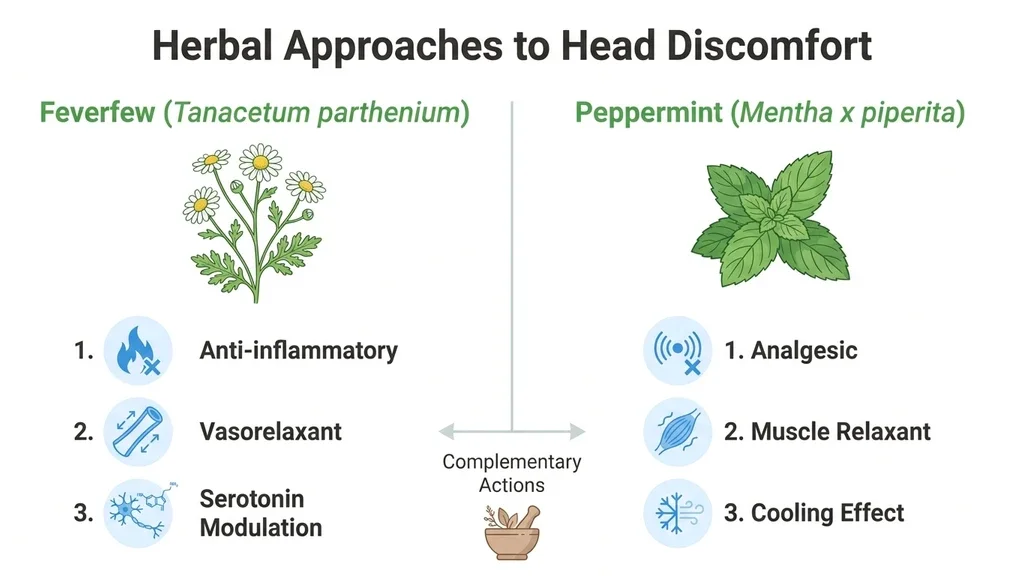
Nature offers a diverse range of plants that serve as powerful herbs for pain relief. Feverfew is a striking botanical plant that has been extensively studied for its ability to support vascular health and reduce the frequency of severe headaches. When consumed regularly as a tea or tincture, it has a preventive effect. Butterbur is another powerful plant traditionally used as part of natural migraine remedies and known for its spasm-relaxing properties.
White willow bark is another exceptional option, often called nature’s aspirin. It contains salicin, a compound that gently supports the reduction of inflammation without the serious gastrointestinal side effects associated with synthetic alternatives. In addition, ginger root is very effective in addressing digestive problems and nausea that often accompany severe skull pressure.
For immediate, soothing effects, peppermint leaf remains a key ingredient. The cooling sensation of menthol helps reduce muscle tension when applied topically or inhaled. Learning to utilize these plants is a core component of mastering Herbal medicineallowing individuals to create personalized, vegan treatments.
Aromatic applications for immediate comfort
Aromatic compounds extracted from plants provide quick support for acute discomfort. Essential oils can be diluted in carrier oils such as jojoba or sweet almond for safe application to the skin. This method is very effective for achieving natural headache relief without relying on synthetic ingredients.
Topical mixtures
Massaging diluted peppermint or lavender oil into the temples and base of the neck stimulates blood flow and muscle relaxation. These targeted applications are essential techniques that are learned Online aromatherapy programs, focusing on safe dilution ratios and optimal mixing practices.
Inhalation techniques
Steam inhalation using eucalyptus or rosemary leaves relieves sinus congestion, a common trigger for frontal pressure on the head. Diffusing these aromatics throughout a living space also creates a calming environment conducive to recovery.

Compare botanical options for lighting
Selecting the right plant depends entirely on the type of discomfort experienced. The following table provides an overview of the most important herbal remedies for headaches and their optimal use.

| Botanical name | Primary application | Best suited for |
|---|---|---|
| Feverfew | Daily tea or tincture | Prevents serious knocking |
| Peppermint | Topical oil or infusion | Tension and muscle stiffness |
| Ginger root | Warm decoction | Nausea associated with headache |
| Lavender | Aromatic distribution | Stress-induced discomfort |
Building a vegan home pharmacist
Creating a personalized offering of natural solutions for headache relief will ensure you are prepared. A well-stocked pharmacy relies entirely on animal-free, plant-based ingredients. Instead of beeswax, vegan ointments use candelilla wax combined with infused herbal oils. This ensures ethical practices while maintaining high efficacy.
Consistency is key when using herbs for pain relief. Preventative botanicals need time to build up in the system before their full supportive effects are realized.

Practical steps for daily management
Integrating herbal remedies for headaches into a daily routine requires a few basic practices:
- Hydration: Consume plenty of water in addition to herbal infusions to maintain optimal vascular function.
- Consistent Dosage: Take preventive tinctures daily instead of waiting for serious symptoms to occur.
- Quality purchasing: Provide organic plant-based ingredients to avoid pesticide exposure, which can cause further discomfort.
- Holistic assessment: Combine natural migraine remedies with adequate rest and stress-reducing techniques.
Safety and contraindications
Although herbs for pain relief come from nature, they possess powerful active substances. It is critical to investigate possible interactions with existing medications. For example, certain plants can affect blood clotting or liver enzymes. Always start with the lowest effective dose when introducing new herbal remedies for headaches to monitor the body’s response. Good education empowers individuals to make informed, safe decisions regarding their natural health journey.
Frequently asked questions
How long does it take for feverfew to work for severe head pressure?
Feverfew is mainly used as a preventative botanical. Normally it takes several weeks of daily consumption to build up in the system before there is a noticeable reduction in frequency.
Can essential oils be applied directly to the skin for tension?
No, essential oils are highly concentrated and should always be diluted in a carrier oil, such as jojoba or almond oil, before topical application to avoid skin irritation.
Are there specific herbs to avoid if you are taking conventional medications?
Yes, certain plants such as white willow bark or feverfew can interact with blood thinners and other medications. It is imperative to consult a healthcare provider before combining botanical solutions with pharmaceutical treatments.
What makes a homemade ointment vegan?
Traditional ointments often use beeswax to solidify the infused oils. A vegan alternative uses plant-based waxes, such as candelilla or carnauba wax, keeping the product completely cruelty-free.
Is peppermint tea effective for immediate comfort?
Peppermint tea can provide gentle, immediate support by promoting relaxation and soothing the digestive system, which is especially helpful if the discomfort is accompanied by nausea.