
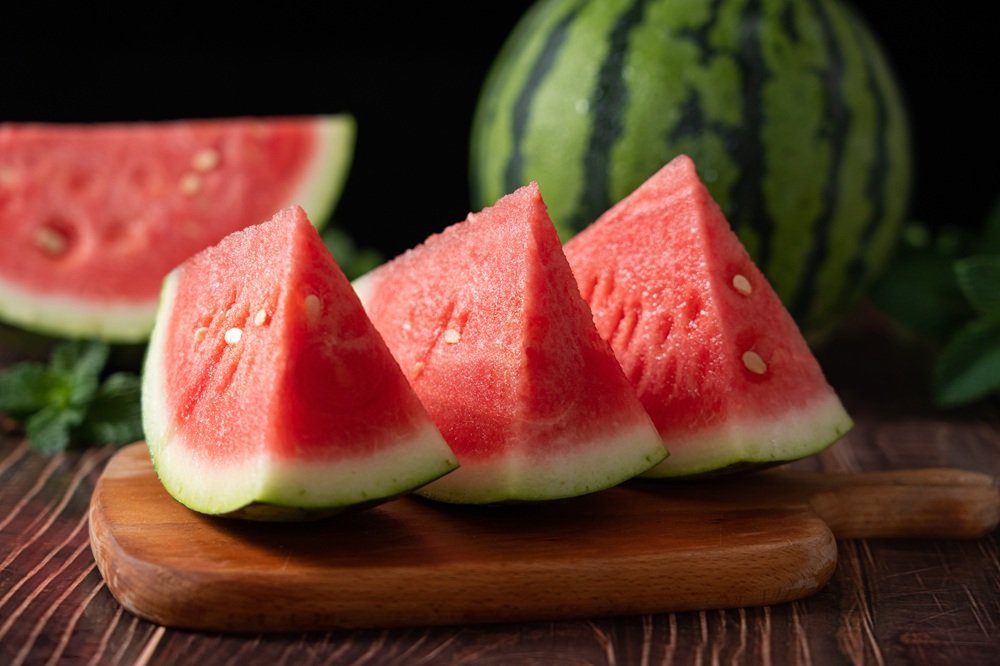
Few fruits are as closely associated with summer as watermelon. Watermelon is known for being sweet, juicy and has a high water content. It is a favorite at picnics, backyard barbecues and family gatherings. In addition to its refreshing taste, this fruit also has a rich history that dates back thousands of years and is still the subject of scientific research.
Read on to learn more about the history of watermelon and its benefits for your health and well-being.
Where does watermelon come from?
Scientists now believe that the modern watermelon originated in Northeast Africa. Genetic research has identified the Kordofan melon, a wild melon native to present-day Sudan, as the best known relative of today’s cultivated watermelon.
For decades, researchers believed that the watermelon was most closely related to the South African lemon melon. However, DNA analysis has reshaped that understanding, providing new insight into how the fruit developed into the sweet, red watermelon enjoyed around the world today.
“Based on DNA, we found that watermelons as we know them today – with sweet, often red pulp that can be eaten raw – were genetically closest to wild forms from West and Northeast Africa,” said Susanne S. Renner, honorary professor of biology in Arts & Sciences at Washington University.
First watermelons
Archaeological evidence suggests that people ate watermelon more than 4,000 years ago in ancient Egypt. Egyptian tomb paintings show large melons next to grapes and other sweet fruits, indicating that they were likely enjoyed as a dessert.
These discoveries support the idea that watermelon was grown and valued long before it spread to other parts of the world through trade and agriculture.
How watermelon changed over time
Wild watermelons looked and tasted very different from modern varieties. Through centuries of cultivation, farmers have selectively bred watermelons for a sweeter taste, vibrant red flesh, fewer seeds and a crunchy texture.
Today, dozens of watermelon varieties are grown worldwide, including seedless, mini, yellow-fleshed and traditional seeded varieties.
Watermelon nutrition and health benefits
Watermelon is naturally low in calories and consists of about 90% water, making it a hydrating snack during warm weather. It also provides several important nutrients, including:
- Vitamin C, which supports immune health.
- Vitamin A, which helps maintain healthy skin and eyesight.
- Potassium, an important mineral that supports heart and muscle function.
- Lycopene, a powerful antioxidant that gives many watermelons their red color and may help protect cells against oxidative stress.
Because of its high water content and nutritional profile, watermelon can be a healthy addition to a balanced diet.
Watermelon and diabetes
Many people with diabetes avoid watermelon because of its sugar content. Watermelon has a high glycemic index, which shows how quickly sugar is absorbed into the bloodstream. Foods with a high glycemic index can cause spikes in blood sugar levels.
Although watermelon has a high glycemic index, it also has a low glycemic load. Because watermelon has such a high water content, one serving does not contain that much sugar. It is safe for people with diabetes to eat moderate amounts of watermelon. However, they should avoid drinking watermelon juice as it has both a high glycemic index and a high glycemic load.
Why scientists are still studying watermelon
Modern cultivated watermelons come from a relatively small genetic pool. While selective breeding has produced sweeter and more attractive fruit, it has also reduced genetic diversity, making watermelon crops more susceptible to diseases, fungi, viruses, insect pests and nematodes.
Researchers are studying wild watermelon relatives to identify naturally occurring disease resistance genes. These discoveries can help breeders develop stronger, more resilient watermelon varieties while maintaining the taste and quality consumers expect.
The lasting appeal of watermelon
From its ancient roots in Northeast Africa to supermarkets and farmers markets around the world, watermelon has become one of the world’s most popular fruits. Its refreshing taste, nutritional value and fascinating history make it a summer favorite, while continued research ensures that future generations can continue to enjoy this iconic fruit.
References:
https://www.medicalnewstoday.com/articles/319849#benefits
https://www.pnas.org/doi/10.1073/pnas.2101486118
https://www.healthline.com/nutrition/foods/watermelon