
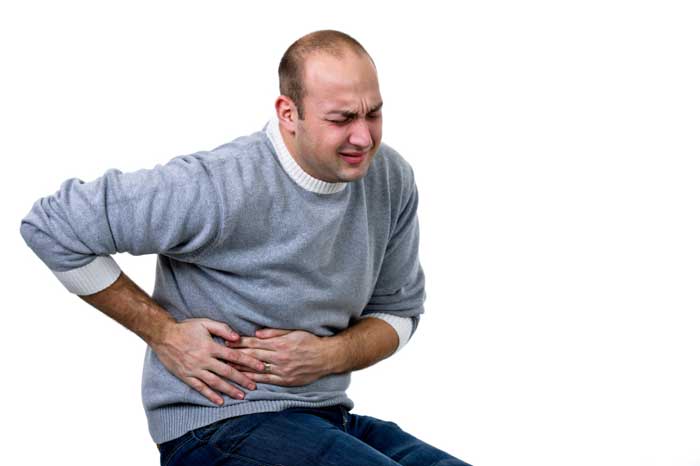

Kidney stones are hard deposits that are made of salts, minerals and acids in the kidneys. Kidney stones are also termed renal calculi or nephrolithiasis. Kidney stones form when the level of crystal-forming substances such as uric acid, calcium, or oxalate rises in the urine. At the same time, the level of substances that prevent these crystals from sticking together falls. They start as small granules and gradually grow larger in size, filling the hollow structures inside the kidneys.
Homeopathy is a natural healing science that offers amazing treatment for cases of kidney stones. Homeopathic medicines effectively manage such symptoms, along with breaking down and dissolving the kidney stones. These also help them pass out by stimulating the body’s self– healing mechanism that helps relax the muscles in the urinary tract for easy passage of stones.
Safe medicines with long-term results
Homeopathic medicines are undoubtedly safe and natural medicines that, along with proper diet management and increased fluid intake, yield positive long-term results in these cases.
Individualised Treatment
Homeopathic medicines for kidney stones are administered after an in-depth analysis of every individual case, keeping in mind the side (right or left) of the kidney that has a stone in the body and its accompanying symptoms.
Helpful for symptomatic, asymptomatic and recurrent cases
Besides treating symptomatic kidney stones, homeopathic medicines are also helpful when the kidney stones are asymptomatic. These medicines can also cure the problem of recurrent kidney stones. They have shown remarkable results in these cases by targeting the underlying associated health conditions.
Non-Invasive and Gentle Treatment
Many of the kidney stone cases are considered cases for surgery under the conventional mode of medicine. But with timely homeopathic intervention, most of these can be treated without surgical intervention. To what extent surgery can be avoided varies from case to case. It depends on the size and location of the kidney stone. It is to be noted that acute retention of urine or severe Hydronephrosis from kidney stones is an emergency condition that demands urgent allopathic treatment.
Top 8 Homeopathic Medicines for Kidney Stones
The well-known homeopathic remedies that have exhibited outstanding effectiveness in the treatment of kidney stones are Berberis Vulgaris, Hydrangea Arborescens, Lycopodium Clavatum, Cantharis Vesicatoria, Sarsaparilla Officinalis, Pareira Brava, Terebinthiniae Oleum and Calculus Renalis.
1. Berberis Vulgaris – For Kidney Stones of Left Side
Berberis Vulgaris is one of the top medicines for kidney stones formed on the left side. This is often the first line of treatment used by most of the homeopathic physicians to treat kidney stones. A unique symptom guiding the use of Berberis Vulgaris is pain in the left kidney that radiates down the ureter and into the urinary bladder. The pain can be shooting, stitching, cutting or stinging in nature. The pain may be aggravated by any kind of movement, especially jarring movements. Urine may be yellowish and may contain slimy sediments. The area around the kidneys is sensitive to touch.
When to use Berberis Vulgaris?
The main indication to use this medicine is pain in the left kidney that radiates to the ureter and urinary bladder while urinating, along with increased frequency of urination. Berberis can also be used in cases with a recent diagnosis of kidney stones, especially if the patient shows no symptoms.
How to use Berberis Vulgaris?
Mother tincture (Q) of Berberis Vulgaris is the most frequently suggested potency for kidney stones. Berberis Vulgaris Q can be taken two or three times a day.
2. Lycopodium Clavatum – For Right Side Kidney Stones
Lycopodium Clavatum is an outstanding medicine for treating kidney stones in the right kidney. It is administered when there is pain in the right kidney and the right ureter. The pain worsens before urination; there is forceful straining to pass urine and urine is scanty. The kidney pain subsides after urination. The urine may contain red sediments. Also, the urine may be purulent (containing pus), turbid or pale in some cases.
When to use Lycopodium Clavatum?
It is best administered in cases of stones in the right kidney with pain that worsens before urination, sometimes along with red sand in urine.
How to use Lycopodium Clavatum?
Both the lower and the higher potencies of this medicine turn out to be effective with excellent results. But initially it can be taken in 30C potency up to 2 times a day strictly.
3. Hydrangea Arborescens – For Kidney Stone with White/Yellow Sand in Urine
Hydrangea Arborescens is popularly known as the stone breaker remedy. Hydrangea Arborescens is used to crush kidney stones, stones in the ureter, as well as the bladder. If one notices whitish or yellowish sand deposits, then Hydrangea Arborescens is the go-to medicine. Soreness in the kidney region may also be felt in such cases. In some cases, blood may appear in urine.
When to use Hydrangea Arborescens?
It should be administered for any type of renal stones to dissolve stones, especially in cases with whitish or yellowish sandy deposits in urine and soreness in the kidney region.
How to use Hydrangea Arborescens?
It has proven to be effective in mother tincture (Q) form and produces good results. Hydrangea Arborescens Q can be administered two to three times daily.
4. Cantharis Vesicatoria – For Kidney Stone with Burning Urination
Cantharis Vesicatoria is of huge benefit to treat kidney stones, where there is intense burning when one passes urine. The burning sensation may also be felt before urine is passed and may continue after urination. Another accompanying symptom is kidney pain with frequent urge to urinate. Tenesmus (urge to pass urine after having emptied the bladder) of the bladder may also be marked, along with urination that doesn’t really satisfy one. Urine may contain jelly-like mucus.
When to use Cantharis Vesicatoria?
The key symptom to use this medicine for kidney stones is an intense burning sensation, especially while passing urine. A burning sensation may also be felt before and after passing the urine.
How to use Cantharis Vesicatoria?
Both 30C and 200C potencies of this medicine offer amazing results. In the beginning, two to three doses of this medicine in 30C potency can be used per day. The dose should be reduced to once a day when improvement sets in.
5. Sarsaparilla Officinalis – For Kidney Stone with Burning Sensation at the End of Urination
Sarsaparilla Officinalis is the medicine that you can count on in case of kidney stones with excessive burning sensation and pain at the end of urination. The urine passed is scanty and may contain slimy or sandy particles. Sarsaparilla Officinalis is also administered for stones in the right kidney.
When to use Sarsaparilla Officinalis?
The most noticeable symptom of using this medicine for kidney stones is an excessive burning sensation at the end of urination.
How to use Sarsaparilla Officinalis?
It works best in a 30C potency that one may use one to two times daily.
6. Pareira Brava— For Kidney Stones withIntense Urge to Urinate
Pareira Brava is a highly recommended medicine for renal calculi, especially when there is severe, radiating pain from the kidney down to the groin along the course of the ureter. It is administered in cases of intense urge to urinate with great straining, yet only scanty urine is passed. The pain may radiate down the thighs and is often relieved only after urination. Urine may contain thick mucus and brick-dust sediment, indicating uric acid calculi. It is particularly useful when the stone causes marked irritation in the urinary tract and urination becomes painful.
When to use Pareira Brava?
It works well when there is severe radiating pain from the kidney to the thighs, especially during urination.
How to use Pareira Brava?
It can be initiated with lower potency, 30C, once a day.
7. Terebinthiniae Oleum–For Renal Calculi with Hematuria
Terebinthiniae is an important medicine for renal calculi associated with marked Hematuria and intense urinary irritation. It is indicated when there is a burning sensation, drawing pain in the kidney region that extends along the ureters, with constant urge, painful and scanty urination. The urine may be smoky, dark, or mixed with blood, sometimes resembling coffee-grounds sediment. It is especially useful when stone irritation leads to bleeding from the urinary tract with persistent tenesmus and straining.
When to use Terebinthiniae Oleum?
Terebinthinae is indicated in renal stones when there is marked Hematuria with dark, smoky, or coffee-ground-like urine.
How to Use Terebinthiniae Oleum?
It can be administered in lower potency 30C once a day.
8. Calculus Renalis–for Recurrent Kidney Stones
Calculus Renalis is a leading medicine for renal stones. It is prepared from triturated renal calculi (kidney stones), following homeopathic pharmaceutical methods. It is prescribed in cases of severe kidney colic with violent, lancinating or pinching pains in the renal region. There is a frequent urge to urinate, and the passage of gravel (crystal particles) or small stones. The urine may be turbid or mixed with blood. It is particularly useful in patients who have a tendency for recurrent stone formation and accumulation of urinary deposits.
When to use Calculus Renalis?
Calculus Renalis works well in recurrent kidney stones. It is administered when there is severe kidney colic with lancinating or pinching pain and turbid or blood-tinged urine.
How to Use Calculus Renalis?
It can be used in lower potency 30C, once a week. It is advisable to use this medicine only after consulting a qualified homeopath.
What Are The Causes Of Kidney Stones?
1. Low Urine Volume: Consistently less volume of urine is a key risk factor for kidney stones. Dehydration (loss of body fluids) through strenuous activity, residing in a warm, humid environment, or not drinking enough fluids can contribute to low urine volume and concentrated, black urine. There is less fluid to keep salts dissolved in concentrated urine.
2. Diet: Diet can have a tremendous impact on stones and the likelihood of developing them. High calcium levels in the urine are one of the most common causes of calcium kidney stones. The body’s metabolism of calcium may be blamed for high urine calcium levels. The most typical type of kidney stone (calcium oxalate) contains oxalate; consuming foods high in oxalate can increase the chance of developing these stones. An excessive intake of animal proteins in the diet, such as beef, fish, poultry, and hog (pig meat), can cause the acid level of the body and urine to rise. The formation of calcium oxalate and uric acid stones is facilitated by high acidity levels. The likelihood of developing calcium and uric acid stones is further increased by uric acid formation from the breakdown of meat.
3. Obesity: A major risk factor for stones is obesity, which may alter the urine’s acid composition, which could result in the production of stones.
4. Family History: The risk of kidney stones is substantially higher in those who have a family history of kidney stones.
5. Medications: The chance of kidney stones increases with the intake of certain drugs, as well as calcium and vitamin C supplements.
6. Chronic UTI: Larger kidney stones can develop in those with chronic urinary tract infections. These are frequently referred to as struvite stones.
7. Bowel conditions: Certain bowel conditions that cause diarrhea (like Crohn’s Disease and Ulcerative Colitis) and surgeries (like gastric bypass surgery) can raise the risk of the formation of calcium oxalate kidney stones. Diarrhea may result in loss of large quantities of fluid from the body and decreased urine volume. Hence, the body absorbs the excessive oxalate from the intestines, resulting in more oxalate in the urine. Both low urine volume and high oxalate in the urine can lead to the formation of calcium oxalate kidney stones.
Types Of Kidney Stones
Calcium Stones (80% of the stones)
Most kidney stones are Calcium stones. Calcium oxalate and calcium phosphate are the two different forms of calcium stones. The most typical kind of calcium stone is by far calcium oxalate. In some cases, urine contains excessive amounts of calcium, increasing the risk of calcium stones in them. Calcium stones can develop due to various other reasons, even when there is normal calcium in the urine.
Uric Acid Stones
This is yet another typical kidney stone. Intake of large amounts of animal protein can increase the risk of uric acid build-up in the urine. Loss of body fluids due to diarrhea, malabsorption and certain genetic factors makes the person prone to uric acid stones. These stones frequently develop in persons having a family history of stones.
Struvite Stones
These stones have a connection to persistent UTI (Urinary Tract Infection). Some bacteria increase the urine’s basicity or alkalinity, decreasing its acidity. Struvite (magnesium ammonium phosphate) stones develop in urine that is alkaline. These stones have branches, are huge, and develop quickly. The biggest risk of these stones is among the people who frequently experience urinary tract infections (UTI), have long tubes in their kidneys or bladders, or those who have poor bladder emptying as a result of neurologic conditions (such as paralysis, multiple sclerosis, and spina bifida).
Staghorn Calculus
The term ‘staghorn’ refers to the shape of this type of stone, which has branches like a piece of coral or the antlers on a deer. People who face a recurrent problem of UTI are more prone to develop this stone. If they form as a result of infections, they may be made of struvite. If they are formed as a result of smaller stones growing larger over a period of time, then the staghorn calculi are made of calcium oxalate, calcium phosphate or a mixture of calcium carbonate and apatite, apart from struvite. The way the branches of this type of stone grow, it can block the pelvis and the calyces of the kidney, which can lead to kidney failure.
Cystine Stones
One of the amino acids that make up proteins and can be found in some foods is cysteine. The genetic metabolic condition cystinuria or having too much cystine in the urine, is rare. When the kidneys fail to reabsorb cystine from urine, a lot of cysteine in the urine might lead to the formation of kidney stones. It is mostly the kids who develop cystine stones.
Symptoms Of Kidney Stones
Kidney stones usually cause no symptoms and may lie dormant till the time they move around in the kidneys and pass through the ureters. In such cases, with no symptoms, they usually get revealed accidentally in an ultrasound done for some other purpose. When the kidney stones travel down the ureter (the tube between the kidneys and the urinary bladder) to the bladder to finally pass out with urine, they cause intense pain even if they are small in size. If a kidney stone is lodged in the ureter, it may cause urine blockage, resulting in swelling of the kidneys and spasm of the ureters, which can be very painful. At that point, one may experience the following symptoms:
1. Severe, sharp pain on the sides of the abdomen (flank area) or in the kidney region in the back below the ribs (medically called lion’s area) is termed renal colic. The pain from the back may travel to the lower abdomen and groin, and the pain often starts suddenly and comes in waves. The intensity of the pain varies.
2. Pain or burning sensation while urinating. Persistent need to urinate.
3. Urine may be dark or red (cloudy) due to the presence of blood, and foul smell. Sometimes, urine contains a small number of red blood cells that cannot be seen with the naked eye.
4. Nausea and vomiting.
5. In men, there may be pain at the tip of the penis.
6. Fever and chills if there is an infection.
Frequently Asked Questions
1. Is kidney stone pain constant?
No, the pain often comes in waves (renal colic) and can be very intense.
2. When is surgery required for kidney stones?
Surgery may be needed if the stone is large, causes blockage, infection, severe pain, or does not pass naturally.
3. What are the warning signs (red flags) of the presence of kidney stones?
High fever, persistent vomiting, inability to pass urine, unbearable pain, or heavy blood in urine need urgent medical care.
4. What foods should be avoided in kidney stones?
Excess salt, processed foods, soft drinks, spinach, excessive tea/coffee, and high oxalate foods (depending on stone type).
5. Who is at a higher risk of developing kidney stones?
People who drink less water, eat high-salt diets, are overweight, have a family history, or have recurrent urinary infections.
6. Can stress cause kidney stones?
Stress alone does not directly cause stones, but unhealthy habits like low water intake and poor diet can contribute.
7. Can holding urine cause kidney stones?
Holding urine does not directly cause stones, but poor hydration habits can cause it.
8. Is high protein diet safein cases of kidney stones?
Excess animal protein (red meat, chicken) may increase kidney stone risk.
9. Up to what size of kidney stone can be treated with homeopathy?
Generally, stones less than 6 mm are more likely to pass naturally and may be managed with supportive homeopathic treatment under supervision. This does not, however, mean that homeopathy will not be effective on stones of a larger size.
10. Which tests does the diagnosis of kidney stones involve?
The tests to confirm kidney stones include ultrasound, X-rayor CT scan KUBand intravenous pyelogram. In addition to this, a renal function test also needs to be done.
11. Can kidney stones lead to complications or damage to the kidneys?
The pain from kidney stones is usually so intense that the person seeks immediate medical aid. There are usually no complications in such cases. However, complications may arise if a person does not approach a doctor and then it may lead tokidney damage due to persistent and severe obstruction of urine flow.
12. Can homeopathy prevent the recurrence of kidney stones?
It aims to address individual tendencies and help in reducing the recurrence with proper diet and hydration.