
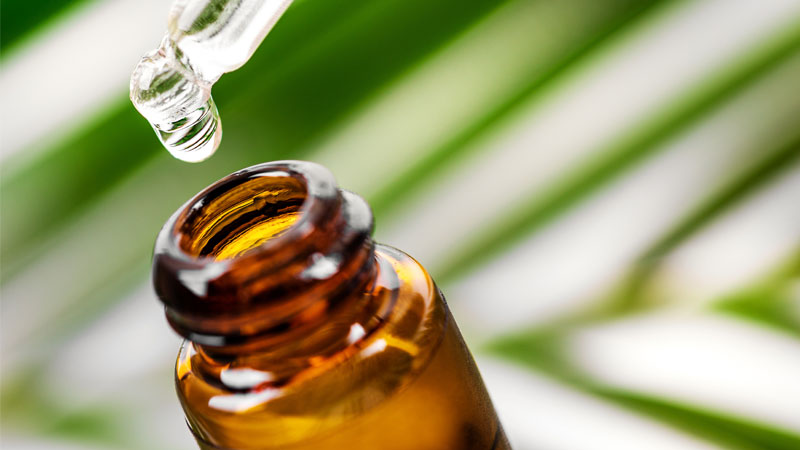
The quality of essential oils, especially when used therapeutically, is of paramount importance to all good therapists. Combined with the right training and guidance, choosing quality oils should become second nature. After all, you wouldn’t buy/eat fruits and vegetables without first checking their freshness.
Common sense plays a big role in the decisions you make – for example, if an oil seems like an absolute bargain, you probably need to ask a few more questions.
Below are some things to consider when purchasing essential oils.
Suppliers
ALWAYS purchase your essential oils from a reputable supplier who specializes in aromatherapy. They must be reliable within our industry, have the right knowledge and insight into their products and be able to advise and guide you if desired.
Your supplier should also be able to provide you with the manufacturer’s safety data sheet for an oil. Asking for this gives you an indication that they know what they are doing! This should also be available to you if you buy from a third party (your therapist or a store).
Research your suppliers, speak to other therapists, seek advice from your membership organization or look for companies that are members of the Aromatherapy Trade Council (ATC) and/or other professional bodies such as the IFA or IFPA. These types of memberships show that the company cares about essential oils and the essential oil industry. It can also be helpful to look at customer reviews on the company’s website and on independent websites such as Trustpilot.
Purity and therapeutic effects
Good quality essential oils have natural therapeutic effects, so make sure you buy pure and natural oils.
Unfortunately, it is not that difficult for disreputable distillers and suppliers to ‘adulterate’ essential oils with cheaper ingredients, reproduce them synthetically or produce reconstituted oils from a variety of plant sources. It is therefore very important to know that your oils are pure and have not been tampered with in a harmful way.
Sometimes a lower price is an indication that the oil has been adulterated, although it should always be stated on the bottle if the essential oils have been diluted. For example, benzoin is typically diluted in benzyl benzoate to make it pourable, and some high-quality, highly concentrated oils are diluted in a base oil such as jojoba to make them more affordable.
Price is a HUGE red flag. If an oil seems too cheap, it’s probably not as pure as you think. The costs of growing, harvesting and distilling must be taken into account. Therefore, a 10ml bottle of pure lavender shouldn’t cost £3 if it takes kilos of flowers to produce. That said, certain multi-level marketing companies sell their oils at very high prices. This is largely down to the way their business model works and does not mean that other cheaper suppliers are selling inferior oils.
It is always best to compare prices on the market and look at ‘similar’ suppliers for comparison.
While talking about therapeutic effects, I am often asked about the terms ‘Therapeutic Grade’ or ‘CPTG’ (Certified Pure Therapeutic Grade). Here’s my opinion… These are simply marketing terms that have no real meaning. CPTG is always seen with a trademark symbol, which means that the company using it has actually paid to have this term registered as a trademark, meaning other companies cannot use this wording. All pure essential oils have therapeutic properties and there are no recognized, independent specifications or industry standards that define ‘therapeutic grade’, or independent bodies that certify essential oils as such. In fact, each batch of oil will differ slightly in its chemical composition – after all, it is a natural product, which will vary from growing region to season to season and year to year.
What’s in the bottle
If you have purchased from a good supplier, there should be certain information on the bottle/label.
Good and trusted suppliers always have one batch code on the bottle this is essential for quality control and shows that the oil is traceable. It ensures that if you are not happy with the oil or have a problem with it, they can trace it.
Always check the Latin botanical name is stated on the bottle and where applicable the chemotype. This ensures that you are purchasing the right oil, from the right botanical species, and that it has the therapeutic properties you expect. For example, at least three different types of lavender are used in aromatherapy: true lavender (Lavandula angustifolia), Spike Lavender (Lavandula latifolia), and Lavandin (Lavandula hybrida, also known as Lavandula x intermedia). In addition, certain plant species produce different chemotypes. This essentially means that the same plant can produce oils with different chemical constituents and therapeutic properties. This can be influenced by factors such as growing conditions, climate and the altitude at which the plant is grown. Thyme is a good example of an oil with different chemotypes, for example Thymus vulgaris ct thymol and Thymus vulgaris ct linalool.
Origin – this should be mentioned to ensure you know where the plant was grown as this can have a huge impact on the quality and biochemical composition of the oil extracted.
Cultivation method – for example if the oil is produced organically or wildcraft.
Growing environment
As mentioned above, this is an important factor, especially when you consider the chemical components in your oils. For example, it is important to know whether your lavender is the ‘High Altitude’ type, or the chemotype of your thyme, to ensure that if you need a phenol-rich oil, you have purchased the right one.
The environment should be free of pesticides and fertilizers, away from main roads, and the plants should be grown in countries suitable for growing them! Factors such as sun/rain, altitude and soil conditions all play an important role in the final resulting essential oil.
Harvesting and extraction
Good quality oils should be harvested in a manner appropriate to the plant’s needs. For example, you would expect rose petals to be harvested by hand at dawn with the dew to maximize oil yield. The essential oil extraction process – whether distilled, cold-pressed, or solvent extracted – will also affect the chemical balance of the oil. For example, solvent-extracted Rose Absolute is much more concentrated in terms of fragrance and therapeutic powers than steam-distilled Rose Otto essential oil. Certain cold-pressed citrus oils are phototoxic, but steam-distilled oils apparently are not.
Synergy within
“Whole” oils are what we look for to ensure they work in harmony with each other and blend to give the best therapeutic effect for our clients. When I talk about a whole oil, I mean those that have had nothing removed from them, for example Bergamot FCF – which has had its Furocoumarin (Bergaptene content) removed to reduce phototoxicity and to make it more suitable for use on sensitive skin.
Other controls
When you buy online you obviously won’t be able to look or smell the oils before you buy them, so it can be very useful to read reviews from customers who have already bought from your chosen supplier. You can also ask your supplier if they can provide a certificate of analysis for any oil you purchase. A Certificate of Analysis (COA) is a document that verifies the purity, quality and chemical composition of the oil, and may include gas chromatography (GC) and mass spectrometry (MS) testing. It confirms that the oil is authentic, free of contaminants and meets specific therapeutic or quality standards for a specific batch. As an ATC member, we track every batch of essential oil and can supply COAs upon request.
When the oil arrives, sniff it and it should smell pleasant and natural – not synthetic like a perfume counter. Trust your nose – if you think it’s not good, it probably isn’t. Know which oils are viscous and which are not. Some, like Benzoin, are very thick and take their time to drain from the bottle, while others, like citrus oil, will drain very quickly. An oil that looks cloudy or viscous when it should not be viscous may be an indication of oxidation.
Does it leave an oily stain? Essential oils shouldn’t do that, so this is a sign that they have been diluted (cut) with a vegetable-based oil to proceed. Always check your label. As mentioned above, some oils, such as Jasmine, Neroli, Melissa and Rose, are sold in both dilutions and pure forms, but this should always be clearly stated on the label.
Jeni Broughton
Consultant Aromatologist & Sports Massage Specialist
Disclaimer and safety advice
Read other articles by Jeni Broughton
Useful reading material
The Complete Guide to Aromatherapy (Second Edition) – Salvatore Battaglia
Aromatherapy for Healthcare Professionals – Len & Shirley Price