
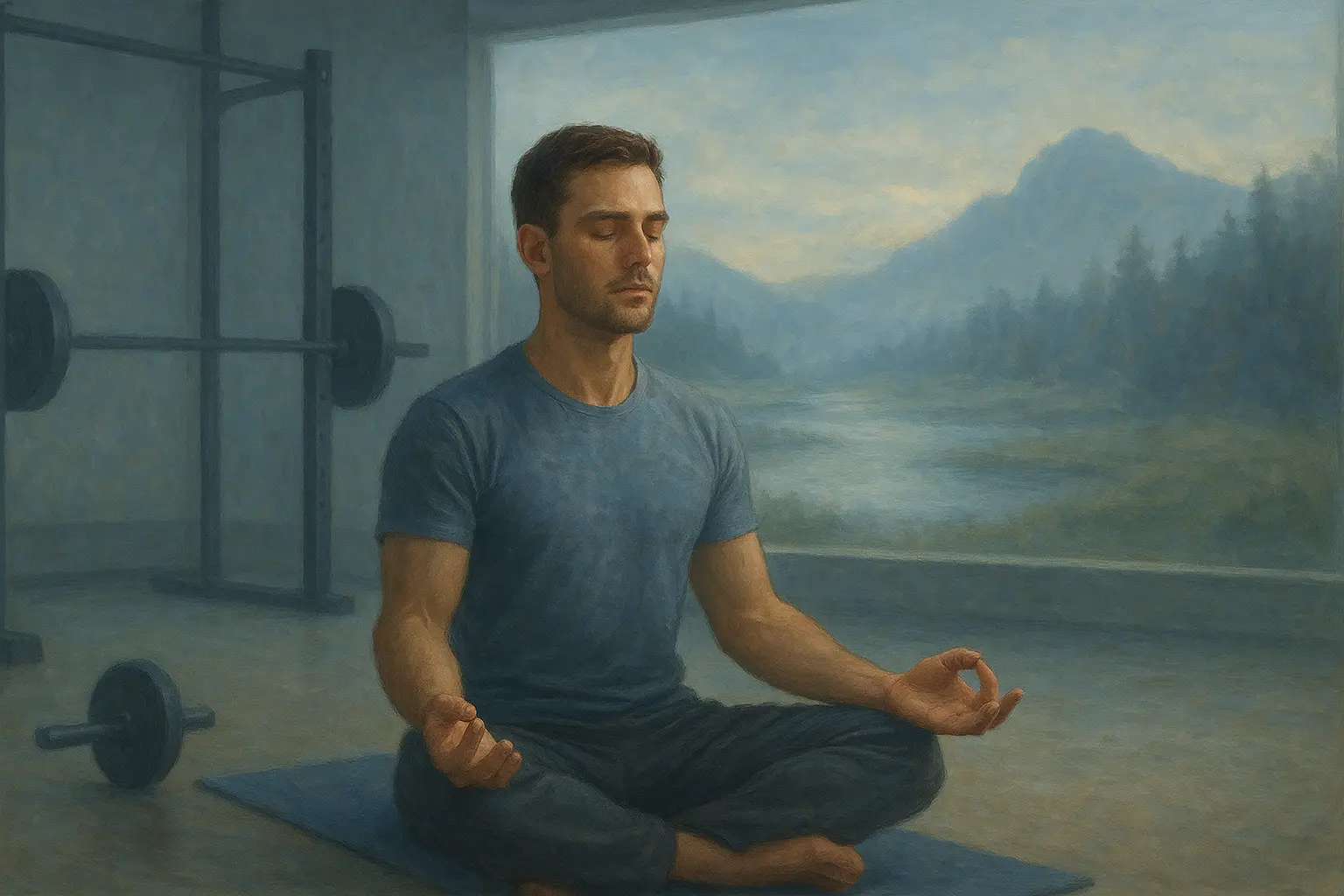
As a professional meditation teacher, I have learned that meditation offers different experiences for different people. While some find it easy and immediately see the benefits, others find it a real challenge. A surprising discovery is that meditation for men has unique benefits and challenges. And new research supports this.
In this guide, I’ll share the latest research on why men can struggle with meditation, and what they can do about it.
Yes, meditation is different for men
New research published in the journal Mindfulness shows that men can face both challenges and side effects of meditation.
The researchers, led by Tim Lonas of Harvard University, took 30 men from London, aged between 20 and 60 and with varying levels of experience in meditation, and followed their meditation journey for a year. They conducted interviews to gain an in-depth perspective on the participants’ experiences with meditation.
The results showed that men experience both significant benefits and challenges with meditation. The benefits included gaining a sense of connection, experiencing peace and better emotional regulation.
But in this guide I want to focus on the challenges. I’ll list what those challenges are and my advice for overcoming them.
1) The men found meditation difficult to learn
The majority of men said meditation was difficult. Some faced challenges such as:
- Physical discomfort (“My back screamed, ‘Stop!’”)
- Boredom or repetition (“Here we go again, same old spirit.”)
- Self-doubt (“I’m crappy at it, I just can’t concentrate.”)
- Difficult to fit it into life – even men living in meditation centers struggled with time pressure, work and stress.
As a meditation teacher, I am not surprised by this. Meditation is much more complicated than many people realize, and there is an abundance of misinformation. For example, many men believe that they should sit with their legs crossed (not necessary) and have a quiet mind (unlikely). I’ve covered most of this in my How to Meditate Properly guide.
2) Unwanted thoughts and feelings
Meditation – especially mindfulness – often caused men to confront negative inner experiences that they had avoided for years. For example:
- The realization that the mind is full of constant, uncontrollable thoughts
- Noticing harsh self-criticism (“I found myself painful.”)
- Uncovering hidden emotions, such as anger at a friend or sadness over losses
- Reliving old childhood traumas
Keep in mind that all of the above can be helpful (for example, you can change painful thoughts if you are aware, but that is only possible if you know how to observe thoughts in a useful way). For example, small techniques like labeling (saying, “This is just a thought/feeling”) can help reduce their effect, and you can also directly challenge those thoughts and feelings by thinking in more rational ways.
The problem is that many men start meditating without proper instruction. That’s why taking a few sessions with a private meditation teacher can be extremely valuable.
3) Worsening of pre-existing mental health problems
For some men, meditation intensified:
- Low self-esteem – awareness without compassion can feel like a ‘sledgehammer’ of criticism.
- Anxiety – Becoming more emotionally sensitive can be overwhelming, making them hyper-aware of the disturbing things in the world.
- Depression – during low moods, mindfulness can trap them in worry, deepening the darkness instead of lifting it.
Now, to clarify, research has shown that meditation in these conditions is very helpful if practiced correctly, but if practiced incorrectly it can cause harm.
Some tips to help with this include:
- use only basic techniques
- stop a technique if it makes you feel worse
- If you have a serious mental illness, always consult a professional.
4. Unstable sense of reality
About half of the participants reported unusual or intense experiences – some blissful, others frightening. Problems usually occurred when:
- People tried advanced practices too early, and
- They had no experienced teacher or support group.
Examples:
- Feeling that the self has ‘disappeared’, leading to anxiety and disorientation
- An overwhelming spiritual experience that was followed by years of effort to return to everyday life
- Rarely, experiences (by the meditator) may be associated with psychotic episodes and hospitalization
Again, this points to the importance of sticking to basic techniques unless you are working with a professional.
Research limitations
- All participants were current meditators; men who dropped out due to problems were not included, so some difficulties may be under- or over-reported.
- Most were affiliated with one Buddhist organization, so results may differ for other traditions.
- The group consisted of a large proportion of gay men, which may have influenced the experiences.
Summary
Meditation can cause problems if taught incorrectly. The absolute worst thing you can do is practice advanced techniques without professional guidance. Always be aware of the quality of the education you receive and, above all, respect the power of meditation. To learn to meditate well, book a private session with me today.
Paul Harrison is a meditation teacher with 25 years of experience and a deep passion for helping others. Known for his empathy and authentic approach, he is committed to guiding individuals and teams towards mindfulness, clarity and well-being.