
Medicinal properties of birch bark, leaves and sap
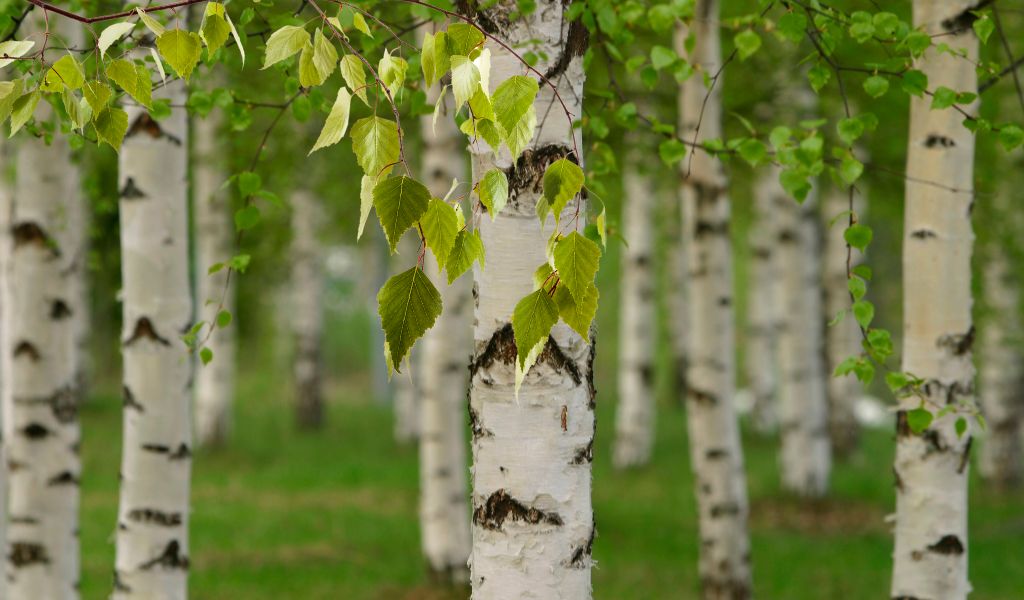
The more time I spend with birch trees – walking among them, harvesting their gifts, preparing medicines – the more I realize that each part of the tree has something special to offer. Birch doesn’t just give us one medicine; it gives a lot, and each part of the tree has its own unique energy and therapeutic use.
Let’s start with the barkwhich has long been one of the most celebrated parts of the birch. In particular, Black birch bark is rich in methyl salicylatethe same substance that gives wintergreen its distinctive aroma. This natural chemical has analgesic and anti-inflammatory propertiesmaking it excellent for treating muscle pain, joint inflammation and headaches. Traditionally, a strong decoction of the bark was used topically or drunk slowly as a tea. I often make a soothing balm from black birch bark infused with oil; it’s one of my favorite ointments for sore knees after a long foraging walk.
Paper and yellow birch bark, although less fragrant, is also used in traditional medicine. They contain betulin and betulinic acidcompounds being studied for their antiviral and anticancer properties. The inner bark, carefully stripped in small quantities and always with gratitude, can be dried and powdered or soaked for a gentle digestive aid.
The to leaf through – especially when harvested young in the spring – they make a beautiful plant cleansing tea. Their slightly bitter taste refers to their effect: birch leaves are diuretichelps flush the kidneys and supports the body’s natural detoxification pathways. I like to combine birch leaf with nettle and dandelion for a spring-renewing tea that feels like forest medicine in a cup. Birch leaves are rich in flavonoids and vitamin C, support immunity and have a mild anti-inflammatory effect.
And then there’s the juice – a truly magical offering that arrives just as the snow begins to melt. Birch sap is thin, slightly sweet and incredible mineral richwith calcium, potassium, manganese and a trace of natural sugars. The indigenous people of the Northeast, including the Nipmuck, have long tapped birch trees as a spring tonic – a way to nourish and wake up the body after the long, cold winter. Unlike maple sap, birch sap has a subtler flavor and a different energetic quality: lighter, cleaner and full of vitality.
One of my favorite spring rituals is tapping a single birch tree and collecting a few bottles of sap. I drink it fresh and unfiltered, as my ancestors did – a reminder that the earth is awakening, and so are we.
In today’s world, it’s easy to forget that our medications don’t always come in bottles. Sometimes it grows quietly in the forest.