
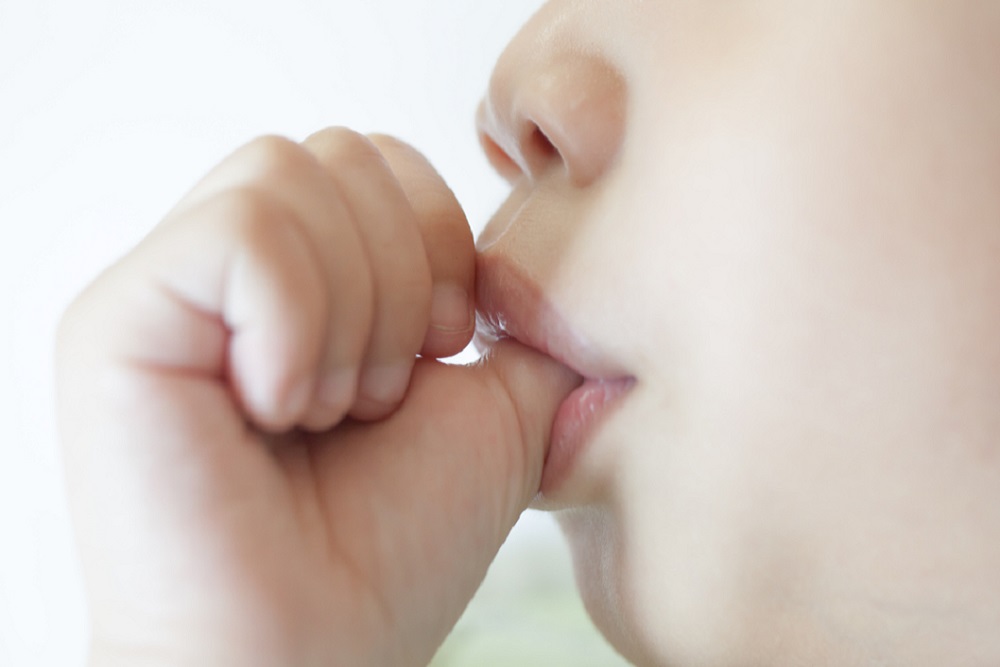
Parents often regard thumb sucking as a harmless and comforting habit, especially during childhood. Babies rely on sucking to soothe themselves, fall asleep and feel safe. Although most children outgrow this behavior naturally, prolonged thumb sucking can affect tooth development, speech patterns and oral health. Understanding the consequences of thumb sucking can help parents recognize when the habit remains normal and when gentle intervention may need to be taken.
Why children suck their thumbs
Thumb sucking starts as a natural reflex. Babies use it to calm themselves during stressful or unfamiliar situations. As children get older, the habit can continue because it provides comfort when they feel tired, anxious, or bored. Many children stop on their own between the ages of two and four. Concerns usually arise when the habit continues after permanent teeth begin to emerge, as continued pressure can erode the structure of the mouth.
Dental and orthodontic effects
Prolonged thumb sucking puts constant pressure on the upper jaw, palate and developing teeth. Over time, this pressure can cause the upper front teeth to protrude or the lower teeth to shift inward. Some children develop an open bite, which means the front teeth do not touch when the mouth closes. These changes may ultimately require orthodontic treatment.
The intensity and frequency of thumb sucking influence the degree of impact. Resting the thumb gently in the mouth usually causes fewer problems than vigorous sucking. Regular dental visits allow professionals to monitor tooth alignment and jaw growth, allowing families to address problems early if the habit continues beyond preschool.
Speech and oral development problems
Prolonged thumb sucking can also affect speech development. Changes in tooth alignment and jaw positioning can contribute to articulation problems, especially with certain consonants. An open bite can interfere with how the tongue contacts the teeth while speaking. Although not every thumb-sucking child will develop speech problems, persistent pronunciation problems deserve attention.
Thumb sucking can also affect tongue posture and swallowing patterns. Correct placement of the tongue supports balanced development of the oral muscles. Addressing the habit at an appropriate time will promote healthy functioning and clearer speech as children grow older.
Hygiene and health considerations
Children often touch toys, furniture and other surfaces throughout the day. When they put their thumbs in their mouths, they introduce germs directly into their systems. Repeated exposure can increase the risk of minor illnesses. Encouraging regular hand washing helps reduce this risk.
Parents should also prioritize early oral hygiene. Learning ways to prevent thrush in your newborn and maintaining clean feeding instruments protect delicate oral tissues. Supporting a healthy environment and gradually weaning children from thumb sucking promotes overall well-being.
Support your child in breaking the habit
If thumb sucking continues beyond early childhood, parents may wonder how to stop a baby from sucking his thumb. Gentle, consistent strategies work best. Praise when your child avoids the habit and identify triggers such as stress or fatigue. Offer comfort through reading, cuddling, or quiet activities, rather than criticism or punishment.
If the habit persists, consult a pediatrician or dentist for advice tailored to your child’s needs. By understanding the consequences of thumb sucking, parents can take proactive steps that support healthy development and encourage positive, lasting habits.
The post Understanding the Effects of Thumb Sucking appeared first on Alternative Medicine Magazine.