
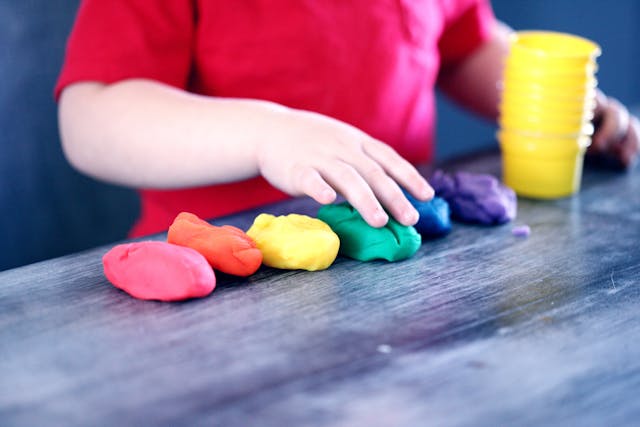
Proprioception, the body’s ability to perceive its position in space, is an essential sensory system for developing body awareness and coordinating movements. Activities that stimulate proprioceptive input are crucial for improving this sense, and they can easily be incorporated into games using everyday household items. Household materials can be transformed into engaging and beneficial experiences that enhance children’s proprioceptive development.
By incorporating a variety of proprioceptive input activities, such as pushing, pulling, and lifting objects of different weights and textures, children can improve their motor skills and sense of balance. Crafting games that involve these elements invites excitement and participation in a natural and familiar environment, which is an effective method for practicing these skills regularly.
Key Takeaways
- Proprioception is key for body awareness and coordinating movements.
- Everyday items can be used for games enhancing proprioceptive input.
- Regular practice improves motor skills and a sense of balance.
Fundamentals Of Proprioceptive Development
Proprioceptive development is a critical aspect of sensory processing that involves understanding where our bodies are in space and how to control our movements effectively.
Understanding Proprioception
Proprioception is the body’s ability to sense its position and movements without relying on external visual cues. This sensory system is informed by signals from the joints, muscles, tendons, and ligaments, allowing individuals to move fluidly and with intention. Effective proprioceptive development is key for maintaining balance and proper postural control.
Role Of Heavy Work Activities
Heavy work activities engage the proprioceptive system by requiring the body to regulate and exert force through movements such as pushing, pulling, or lifting. These activities typically involve the resistance of muscles against gravity, offering a form of proprioceptive input that is essential for motor planning and execution.
Importance Of Sensory Input In Coordination
Proprioceptive input is integral to fine-tuning sensory processing mechanisms, which in turn, directly impacts coordination. Coordinated movement is a complex interplay between proprioceptive feedback and vestibular (balance) input, which together with visual signals, adjust the body’s position and enhance awareness for precise motor planning.
Practical At-Home Strategies For Enhancing Proprioception
Enhancing proprioception at home is accessible and straightforward, involving daily activities and custom games that leverage common household items. These strategies focus on increasing body awareness through resistance, balance, and strength exercises.
Everyday Proprioceptive Activities
Engaging in regular chores presents a natural way for individuals to enhance proprioception. Activities such as pushing a vacuum cleaner, pulling weeds, or carrying groceries integrate proprioceptive feedback through heavy lifting and resistance. Adding yoga poses that require balance and core strength can further solidify these neural pathways.
- Lifting: Carrying laundry baskets or potted plants
- Pushing: Moving furniture or mopping floors
- Pulling: Tugging ropes in a game of tug-of-war
Creating Proprioceptive Games
Household items can be transformed into tools for proprioceptive game creation. For example, using cushions to make a balance beam or stacking them for a climbing activity flexes different muscle groups. Engaging children in animal walks, such as bear crawls or crab walks, incorporates imaginative play with physical exertion.
- Jumping: Trampoline or pillow-pile hopping games
- Rolling: Barrel rolls across a soft, safe surface
- Climbing: Homemade obstacle courses with safely arranged furniture
Incorporating Sensory Activities Into Daily Routine
Implementing a sensory diet—a carefully designed set of personalized physical activities—helps individuals consistently practice proprioceptive skills. Building an obstacle course that includes jumping, rolling, and monkey bars can add enjoyable variety and challenge to one’s routine. Utilization of a weighted blanket during rest periods or donning a backpack filled with books for weighted walks around the house can provide continuous proprioceptive input.
- Exercise: Regular indoor calisthenics like push-ups or heavy lifting with safe household items
- Daily Routine: Carrying a basket of toys to their designated storage locations
Conclusion
Creating proprioceptive games at home doesn’t require specialized equipment. Household items like cushions, chairs, and even tape can be transformed into tools for increasing body awareness and self-regulation. Parents and caregivers are encouraged to employ these common objects in activities that challenge coordination and balance. Through such inventive play, individuals not only enhance proprioceptive input but also contribute to a child’s focus and learning abilities.