
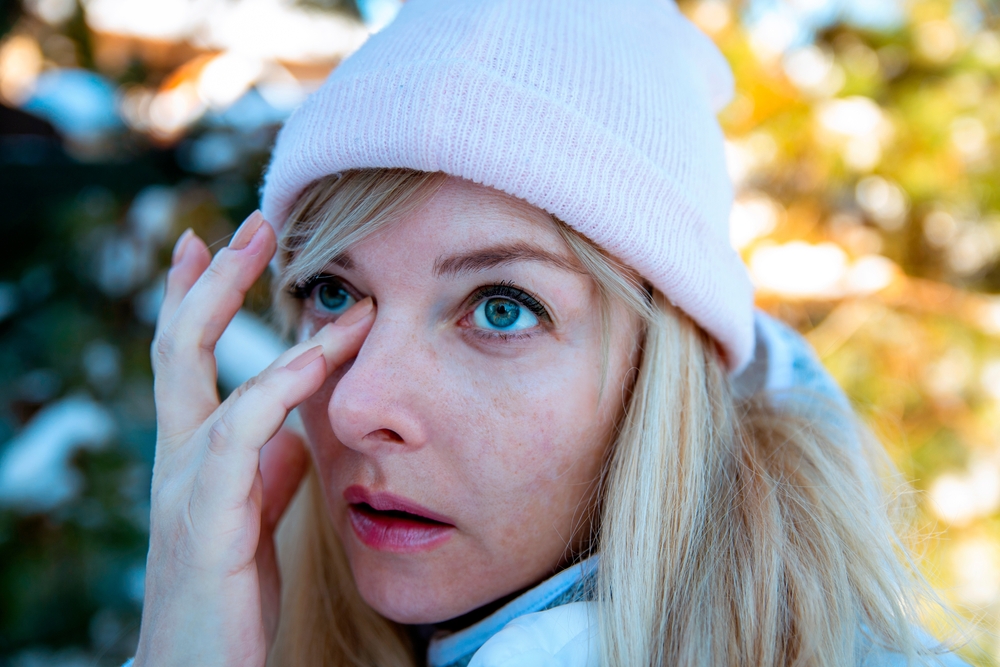
Research shows that dry eye symptoms can worsen by up to 40% in winter, and dry eye diagnoses can increase by 3 to 4% compared to summer. Eyes require more care in winter due to dry, cold air that causes irritation, intense UV exposure from snow glare (which reflects up to 80% of rays) and indoor heating that further reduces humidity, all leading to dryness, redness and tension, which can be managed with drops, humidifiers and good glasses.
Four tips to limit the risk of eye irritation and prevent long-term eye damage.
Drink electrolytes to help prevent dry eyes
- Sodium – maximum 1,500–2,300 mg per day from food, no supplements
- Potassium – 400–3,800 mg per day from foods such as bananas, potatoes and beans
- Magnesium – 300-410 mg per day through food, depending on age and gender
In cold seasons, people often overuse electrolyte powders, thinking they will stay hydrated, but moderation is key, as overuse can cause more imbalance than benefit.”
Use eye lubricants at night, not in the morning
The harsh winter weather causes tears to evaporate more quickly at night, causing the eyes to dry out. Thick gels or ointments provide a long-lasting, protective seal while you sleep. Research shows that applying lubricants at night significantly heals the ocular surface, resulting in an average reduction of -3.4 units of corneal damage, leading to much healthier eyes upon waking.
In case of drought in winter, choose preservative-free lubricating drops with oil components to keep the tear film stable. Use thick gel drops – 1 to 2 drops just before bedtime. You can also use a humidifier indoors and sunglasses outdoors to reduce the impact of cold air.
Wear polarized lenses to avoid glare from snow
- Polarized lenses — improve visual contrast by 23-30%
- Snow glare: makes light appear 10 to 12 times brighter than non-snowy surfaces
- UV at high altitude: UV exposure increases by 4–6% every 300 meters
Glare from snow can cause photokeratitis, a sunburn of the eye. The reflection can send up to 80% of UV radiation back to the eyes. That said, polarized sunglass lenses can reduce light glare and eye strain by 99-100% in such conditions, improving both your vision and your safety in the sun.
Not all lenses fit all eyes. High-contrast amber may be too strong for light-sensitive users, who typically benefit from blinding gray or green tones.
Eat zinc and taurine together for winter vision in low light
Zinc – found in oysters, lean beef, pumpkin seeds, chickpeas, etc
Taurine – found in scallops, mussels, squid, eggs, dairy products, etc
Research shows that zinc and taurine work together to support retinal structure and visual signals. Zinc supports enzymes involved in photoreceptor metabolism, while taurine protects cells from oxidative stress and helps regulate calcium. A deficiency of zinc or taurine puts extra pressure on the retina, causing damage to progress more quickly.
These little habits can make winter eye care much easier, but always check with your doctor before trying a new eye care routine.
The post Your Eyes Need More Care in the Winter appeared first on Alternative Medicine Magazine.