
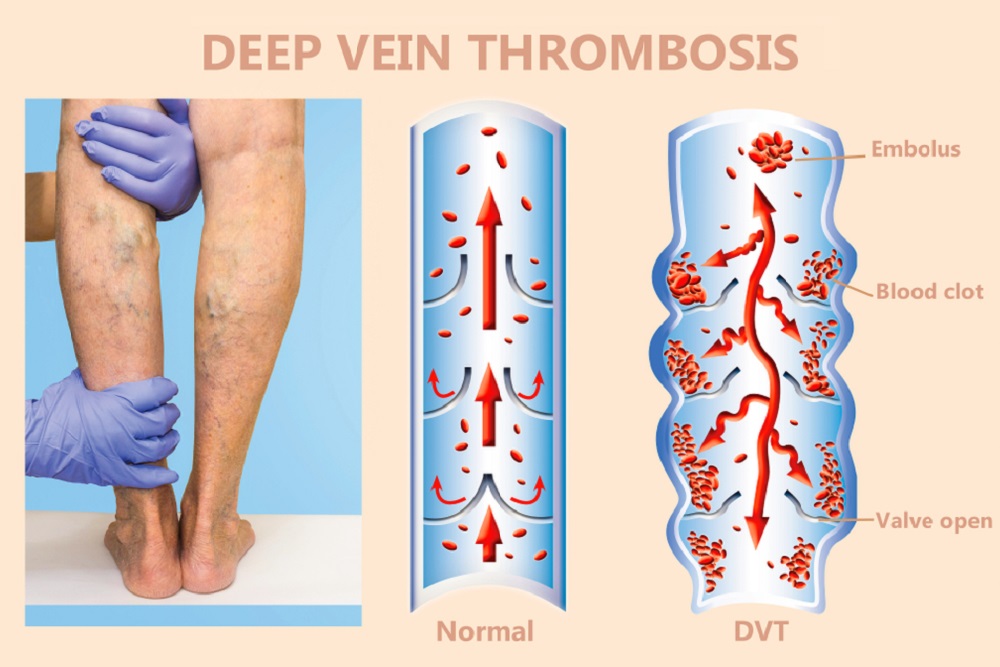
March is Deep Vein Thrombosis Awareness Month. In America, approximately 600,000 to 900,000 people are affected by DVT each year. DVT is a serious form of vascular disease in which a blood clot develops in a deep vein, usually in the leg. The blood clot can break loose and travel to the lungs or even the heart, potentially causing a life-threatening pulmonary embolism.
Many have the misconception that vein problems are cosmetic. However, certain vein problems, such as varicose veins, and symptoms may indicate that you have a serious underlying condition, such as DVT.
Treatment of deep vein thrombosis
There are several types of vein problems that affect a large part of the population. About the age of 60 70% women and 40% of men suffer from it. In fact, half of the population over the age of 50 suffers from some form of vein problem.
Because not all vein problems are cosmetic, people should be more proactive about the health of their veins and seek treatment if it could be a more serious problem. If left untreated, certain veins can lead to serious complications and even be fatal.
There are two main types of vein problems: varicose veins and varicose veins. Varicose veins do not pose a health risk. They occur when small blood vessels near the skin’s surface weaken, enlarge, and fill with blood. Less than two millimeters wide, they are small, damaged or dilated blood vessels that appear in red, blue, or purple spiderweb or branch-like patterns just beneath the skin’s surface.
Common causes include genetics, aging, hormonal changes and prolonged standing or sitting, which can restrict blood flow. They are commonly found on the legs, ankles and face and rarely cause physical symptoms beyond cosmetic concerns.
People are often concerned, especially when they are found on the face. These are usually related to rosacea, a symptom of chronic skin inflammation. These are not dangerous and can be treated with laser therapy.
Varicose veins, on the other hand, can worsen to a dangerous degree. Varicose veins are more than 4 mm in size and swell under the skin. This is not just a cosmetic problem, but an indicator of DVT and other underlying venous insufficiency that can lead to serious health complications. If you have varicose veins, it’s a good idea to get them checked right away before they worsen.
Because DVT occurs in the deep veins and is not always visible, the symptoms can be difficult to navigate. It is crucial to manage symptoms and even be proactive to prevent vein problems from occurring in the first place.
Be aware of the symptoms of DVT
Pain and swelling in the legs:
One of the most common symptoms of DVT is swelling in the lower legs. If the leg seems larger than normal and feels a bit heavy, this is a big indicator that you may be dealing with DVT. In addition to swelling, pain or tenderness may also occur, especially in the calf.
If you notice that the pain gets worse the longer you stand or walk, and the pain does not go away after a break, contact your doctor immediately.
Skin changes: Changes in skin color or texture can be a sign of DVT. The skin around the clot, especially in the legs, may turn red, blue, or brownish. It is also possible that the area around the discolored skin may feel warm or tight. If you experience these symptoms, it is very important that you take them seriously and speak to a doctor.
If a DVT clot breaks off and travels to the lungs, it causes a pulmonary embolism, which is life-threatening. Seek immediate medical attention if you experience sudden shortness of breath, chest pain, dizziness or fainting, and rapid pulse or breathing.
Be proactive
Instead of treating vein problems as soon as they occur, there are several ways to be proactive and prevent them from happening in the first place. A few lifestyle changes can save you a lot of pain in the long run.
Stay active: One of the best ways to prevent DVT is to stay active. Immobility, such as sitting in one position during long flights, a sedentary working position and lying in bed for long periods of time, can increase the risk of blood clots forming.
It’s crucial that you make getting up and moving a priority. Regular exercise, such as walking, stretching, and even getting up from your work station to walk around for a few minutes, promotes healthy blood flow through your body and limbs.
Maintain a healthy lifestyle: Unhealthy habits such as smoking, dehydration and a poor diet can contribute to the formation of blood clots. Make sure you stay hydrated by drinking plenty of water.
Obesity increases the risk of DVT by causing chronic, low-grade inflammation, reducing the body’s ability to break down blood clots and increasing pressure on the veins. A balanced, anti-inflammatory diet helps control DVT by lowering blood viscosity, preventing cholesterol buildup and strengthening blood vessels. Some great foods to include in your diet are fruits, vegetables, and lean meats.
Avoid alcohol and smoking to support your vascular health. If these are part of your daily life, don’t quit cold turkey. Release them slowly until you get to the point of stopping. Taking steps to maintain a healthy lifestyle will lead to healthier veins and reduce the risks of DVT.
It’s especially important to be proactive about the health of your veins if you have underlying conditions. People with a history of blood clots or cancer have a much higher risk of blood clotting. People at higher risk should consider wearing compression stockings or socks to promote blood flow in the lower extremities. Performing leg stretching exercises can also be helpful.
Understanding the symptoms and taking efforts to prevent DVT is critical. If you think you have DVT, don’t ignore the signs. Not all vein problems are cosmetic. If you notice varicose veins growing or spreading, or your legs swelling, seek medical attention. Talk to your doctor and ask for advice. There is a good chance that they will refer you to a specialist.
Prompt diagnosis and treatment can help you stay healthy and prevent further complications, leading to better outcomes. Don’t let the symptoms persist and tell yourself that you will get around to it. Take immediate care to avoid serious complications.
The post Deep Vein Thrombosis Awareness Month: Signs Your Vein Problem May Be More Than Just Cosmetic appeared first on Alternative Medicine Magazine.