
Key points:
- Sleep expert reveals seven warning signs of snoring that could indicate an underlying health condition such as obstructive sleep apnea
- Signs to look out for include choking or gasping sounds during sleep, extreme daytime fatigue, morning headaches, and mood swings
- Untreated sleep apnea poses serious long-term health risks, and there are effective, accessible treatment options available
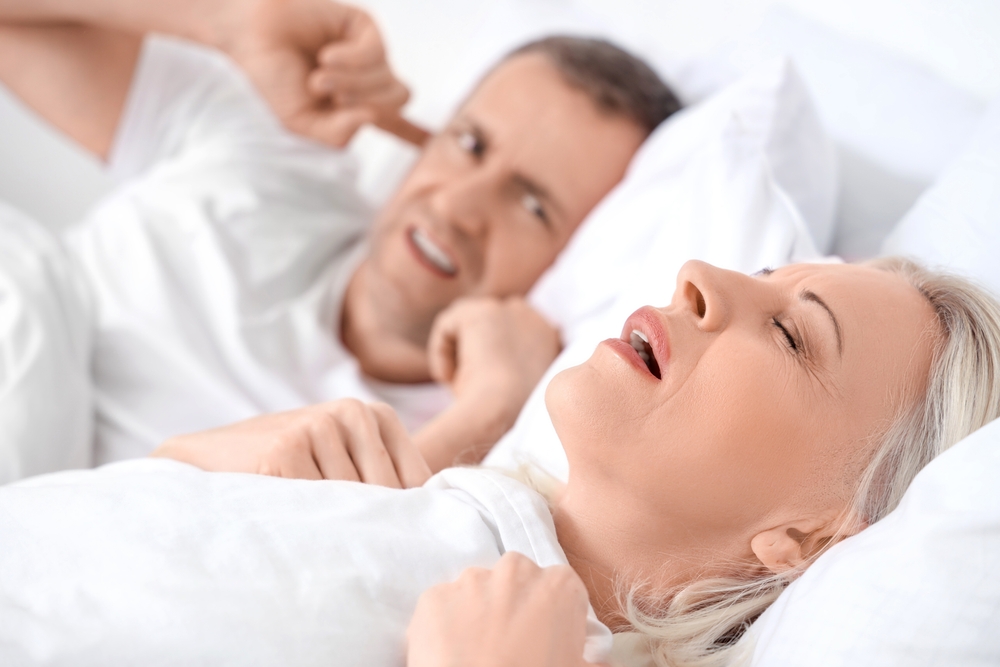
Snoring is often seen as a harmless bedtime problem, perhaps even the punchline of an argument between a couple or the reason someone ends up on the couch. But in some cases, it may indicate something that requires medical attention: obstructive sleep apnea (OSA), a condition in which the airways repeatedly collapse during sleep, interrupting breathing for seconds at a time.
From extreme daytime fatigue to high blood pressure, here’s what to look out for
Many cases go undiagnosed for years, with symptoms mistaken for daily fatigue or stress. To help people tell the difference, the experts at Sleep layinga modern destination for CPAP and sleep therapy, has outlined seven warning signs that should not be ignored.“Snoring itself doesn’t always mean something is wrong,” says Aaron M Fuhrman, founder and CEO of Sleeplay. “But if certain patterns appear next to it, it’s worth paying attention.”
7 signs your snoring could be something more serious
Fuhrman lists the seven signs that your snoring may indicate something that requires medical attention.
Loud, chronic snoring
Not all snoring is the same. Snoring that is loud enough to disturb a partner and that occurs most evenings of the week is one of the most consistent indicators of OSA. Occasional light snoring after a long day or a glass of wine is rarely a problem, but persistent, heavy snoring is a different story.“Loud snoring on a near-nightly basis is a signal from the body that the airways are under tension during sleep,” says Fuhrman. “It’s one of the most common reasons people come to us.”
Choking, gasping or snorting sounds
This is an extremely telling sign. When the airways become completely blocked, the body wakes itself up to restore breathing, often causing a choking, gasping, or snorting sound. A bed partner is often the first to notice this, as the person experiencing it may have no memory of it.
Morning headache
Waking up with a headache, especially if it goes away within an hour or two, could be a sign that oxygen levels have dropped overnight. When breathing is interrupted repeatedly during sleep, carbon dioxide can build up in the blood, causing the blood vessels in the brain to dilate. This often results in a dull, persistent headache in the morning.
Extreme fatigue during the day
Feeling tired after a bad night’s sleep is normal. Feeling exhausted every day despite spending a whole night in bed is not. Sleep apnea prevents the body from reaching the deeper, restorative stages of sleep, meaning patients may wake up after eight hours feeling as if they have barely slept.“A lot of people just accept that they’re tired all the time,” Fuhrman notes. “They blame it on a busy life or getting older. But the kind of fatigue that affects your ability to function is worth investigating.”
Mood swings or irritability
Chronic sleep deprivation takes its toll on emotional regulation. People with undiagnosed sleep apnea often report increased irritability, low mood, and a shorter than normal fuse. In some cases it has also been linked to symptoms of anxiety and depression.
Difficulty concentrating
Difficulty concentrating, forgetting things, or feeling mentally foggy all day can all be related to poor sleep quality. The brain consolidates memory and processes information during deep sleep, or the stages where sleep apnea breaks down repeatedly.
High blood pressure
This one often surprises people. Each time breathing stops during sleep, the body responds with a small wave of stress hormones, causing blood pressure to rise. Over time, this pattern can contribute to hypertension, especially the kind that is difficult to control even with medications.
Why it matters
The consequences of leaving sleep apnea untreated go beyond fatigue. Research has linked the condition to a higher risk of heart disease, stroke, type 2 diabetes and metabolic problems. The interrupted breathing and repeated drops in blood oxygen levels that characterize sleep apnea put persistent strain on the cardiovascular system over time.“Sleep apnea is not just a sleep problem,” says Fuhrman. “If left unaddressed for years, the impact on overall health can be significant. The positive is that it is very treatable. You need to know you have it first.”Not every snorer has sleep apnea, but certain patterns should never be dismissed. If you or someone around you recognizes several of these symptoms, talking to a doctor is the right thing to do. Diagnosis usually involves a sleep study, either in a clinic but increasingly at home, which gives a clear picture of what is happening at night.The treatment is very effective. CPAP therapy remains the gold standard, but oral appliances and lifestyle changes also produce real results for many people. Getting the right support early makes a significant difference to sleep quality, daily functioning and long-term health.
The post Sleep Expert Reveals 7 Signs Your Snoring Could Be a Warning Sign of Something More Serious appeared first on Alternative Medicine Magazine.