
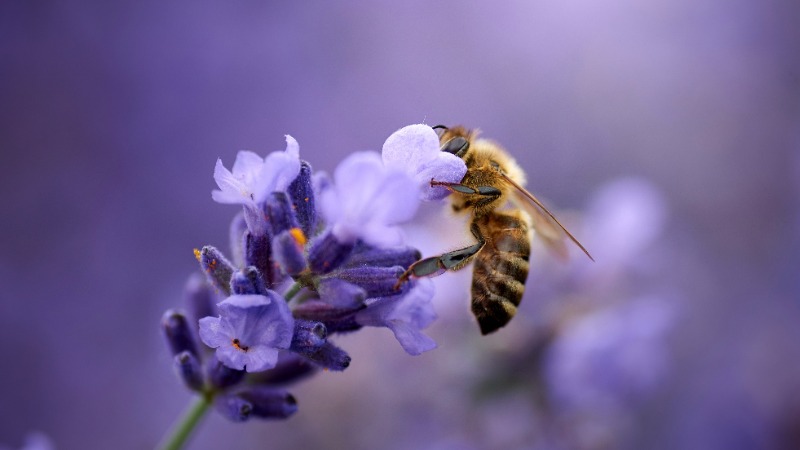
Summer is a season full of movement. Gardens buzz with the sound of bees drifting from flower to flower, collecting nectar and pollen along the way. Lavender sways under the weight of bumblebees, rosemary buzzes with activity and the cottage garden favorites become busy feeding stations for pollinators.
In addition to being an aromatherapist and mindfulness teacher, I am also a beekeeper who is fascinated by these beautiful creatures. I’m not alone; For centuries, bees have captured not only our imagination, but also our respect. In folklore they were often seen as messengers between worlds. The ancient tradition of ‘telling the bees’ involved sharing important family news with the hive, from births and marriages to deaths. It was believed that bees were deeply connected to the rhythms of life and nature, conveying messages between the human and natural worlds.
Whether you believe the old stories or not, bees still have a lot to teach us. In a world that often feels rushed and disconnected, they remind us to slow down, seek out what nourishes us, and stay connected to the communities around us. Many of the flowers loved by bees have also given us beautiful essential oils, allowing us to bring a piece of their world into our homes through aromatherapy.
What bees can teach us about well-being
When we watch bees at work, it’s easy to assume that they are constantly busy. Yet their lives are guided by the rhythm of nature. They work purposefully, rest when conditions require (honeybees hate cold and thunder!) and depend on the support of the wider hive.
There is wisdom in this.
I’ve written before about how modern life often encourages us to do more, move faster, and stay constantly connected. Emails arrive around the clock, notifications demand our attention, and our minds rarely get a chance to take a break. Spending time observing bees can be a gentle reminder that wellness isn’t about doing more – it’s about finding balance between activity and rest.
Aromatherapy offers us a way to reconnect with these lessons. Through scents we can bring the aromas of bee-friendly flowers and herbs into our daily rituals, supporting our emotional well-being while creating moments of calm and mindfulness.
Bee-Loved essential oils for well-being
It would be remiss of me not to start with Melissa officinalis, as the genus name Melissa literally translates to “honey bee.” Melissa, also known as lemon balm, has a long relationship with beekeeping. Historically, beekeepers would rub fresh lemon balm leaves into beehives and swarm boxes, believing that the scent would encourage bees to settle.
Melissa essential oil has a fresh, uplifting aroma that can help support emotional well-being during times of stress or overwhelm. The cheerful scent reminds us to seek out the things that nourish and uplift us, just as bees instinctively seek out the flowers that sustain them.
There are few plants that attract bees as much as lavender. The fragrant purple flowers are a rich source of nectar during the summer months.
Lavender essential oil is perhaps best known for its calming properties. It can help promote relaxation, support a good night’s sleep and encourage us to slow down after a busy day. Like the bees resting in the flowers, lavender reminds us that rest is an important part of well-being.
The daisy-like flowers of Roman chamomile are popular with a range of pollinators, including bees and hoverflies.
Roman Chamomile essential oil is known for its soothing and comforting properties. It can help calm a busy mind and promote relaxation. In a culture that often celebrates consistent productivity, chamomile reminds us that gentleness can be just as powerful as action.
The delicate blue flowers of rosemary are very attractive to bees and provide valuable nectar all year round.
Rosemary essential oil is often associated with focus, concentration and mental clarity. The fresh herbal aroma can support alertness and motivation, making it a wonderful oil for times when we need direction and purpose.
With its beautiful floral scent, Rose Geranium essential oil is often used to support emotional balance and harmony.
Just as bees help maintain balance within ecosystems through pollination, Rose Geranium reminds us of the importance of creating balance in our own lives – a balance between work and rest, activity and silence.
Although bees themselves are not usually associated with oranges, they are frequent visitors to the fragrant blossoms of citrus trees.
Sweet Orange essential oil has a bright, cheerful aroma that can help lift the spirits and create a positive atmosphere.
The small white flowers of thyme are often alive with bees during the summer months. In my own garden, the thyme has become one of the busiest feeding stations for pollinators, with bees regularly visiting the nectar-rich flowers.
Historically, thyme was associated with courage and strength. The ancient Greeks burned thyme as incense in temples, while medieval ladies reportedly embroidered sprigs of thyme on gifts for knights going into battle.
White thyme essential oil has a fresh, herbaceous aroma that can help support mental clarity and focus. The invigorating scent reminds us of the resilience found in nature and encourages us to keep moving forward even in difficult times.
A mindfulness exercise to observe bees
One of the easiest ways to reconnect with nature is through a sitting exercise.
Find a comfortable spot near flowering plants, whether that’s a garden border full of lavender, a meadow of wildflowers or even a single pot of herbs bustling with pollinators. Sit quietly for ten minutes and simply observe.
Watch the movement of the bees as they travel among the flowers. Listen to the soft hum of their wings. Observe which flowers they are attracted to and how they move purposefully from one flower to another.
As you sit, take a few slow breaths and notice the scents around you. If you are indoors, you may want to diffuse one of the essential oils mentioned above to bring the aromas of the bee garden into your space.
This simple practice encourages mindfulness and helps us slow down and reconnect with both ourselves and the natural world.
Bee-inspired aromatherapy recipes
Bee Garden diffuser mix
Diffuse 3 drops of lavender, 1 drop of white thyme and 3 drops of sweet orange in water using an aromatherapy diffuser or candle burner for 20 minutes.
This uplifting blend captures the scent of a summer garden and supports both focus and relaxation.
Pollinator Pulse Point Roller
Add 2 drops of Melissa and 3 drops of Rose Geranium to a 10 ml roller bottle. Top up with Jojoba oil or a carrier oil of your choice.
Apply it to the pulse points throughout the day and breathe deeply when you need a moment of calm and balance.
Summer meadow bath salts
Add 3 drops of Roman Chamomile, 3 drops of Lavender and 2 drops of Sweet Orange to 50 g of Natural Dead Sea Salt together with 5 ml of Calendula oil. Mix well before adding to a warm bath.
A wonderful mix to relax after a busy day.
Bee balm
Add 8 g beeswax and 50 ml jojoba oil in a bain-marie over a low heat. Once melted, remove from heat and stir in 4 drops of Lavender Fine (high altitude), 3 drops of Rose Geranium and 2 drops of Roman Chamomile essential oil. Pour the mixture into a clean jar and let it cool.
Massage a small amount onto pulse points and inhale the comforting floral aroma.
Final thoughts
Bees may be small, but their lessons are profound. They teach us to work with purpose, to rest when necessary, to look for what nourishes us and to stay connected to the world around us.
Through aromatherapy we can bring the scents of their favorite flowers into our homes, creating moments of peace and connection throughout the summer season.
The next time you see a bee floating from bloom to bloom, pause and look at it. You may find that wellness, like the work of the bees themselves, is not about rushing through life, but about moving gently, purposefully, and in harmony with the natural world.
Kirsty Zomerbel
Advisor Aromatherapist
Disclaimer and safety advice