
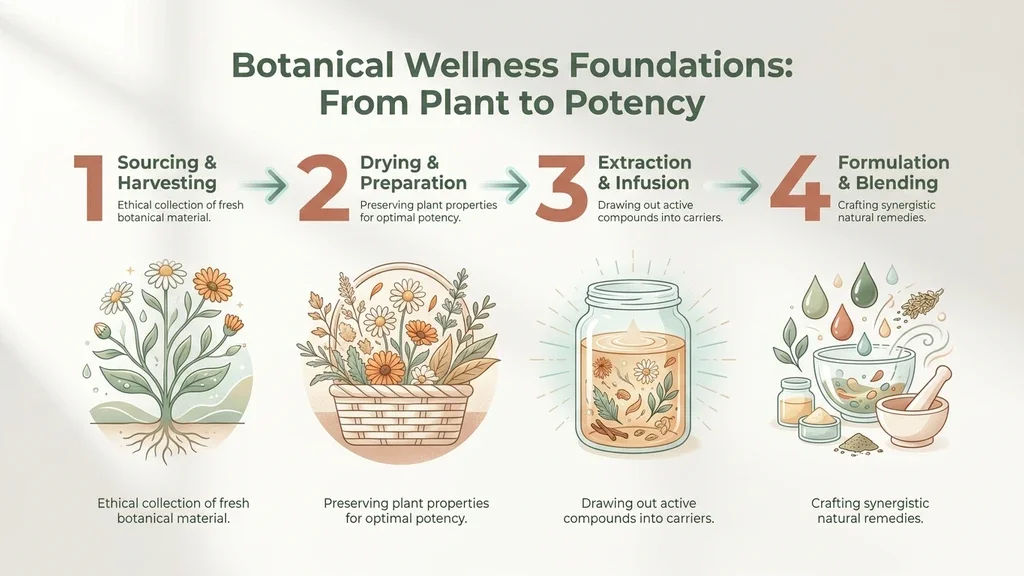
Exploring the world of botanical wellness opens up incredible opportunities for individuals seeking alternative health solutions. As you enter the realm of herbal medicine for beginners, you will gain a deep connection with nature and its powerful therapeutic properties. Many people are discovering the tremendous value of creating their own natural remedies using herbal ingredients. This practice not only promotes independence, but also ensures that every ointment, tincture, and infusion is crafted with pure, vegan components. A Comprehensive Guide to Medicinal Herbs serves as the perfect starting point for anyone looking to build a home apothecary from scratch, transforming everyday plants into powerful wellness tools.
The foundations of botanical wellness
Understanding the basics of plant-based therapies is essential for any aspiring practitioner. The journey begins with identifying which plants provide specific therapeutic benefits and learning how to safely extract their active compounds. Modern society is witnessing a massive revival of traditional practices as more and more people look for transparent, chemical-free alternatives for daily health maintenance. A robust online herbal medicine course provides structured knowledge so that enthusiasts understand both the scientific mechanisms and traditional uses of various flora. Studying these foundations provides a deeper appreciation of how botanical elements interact with human physiology.
Essential plants for a home pharmacist
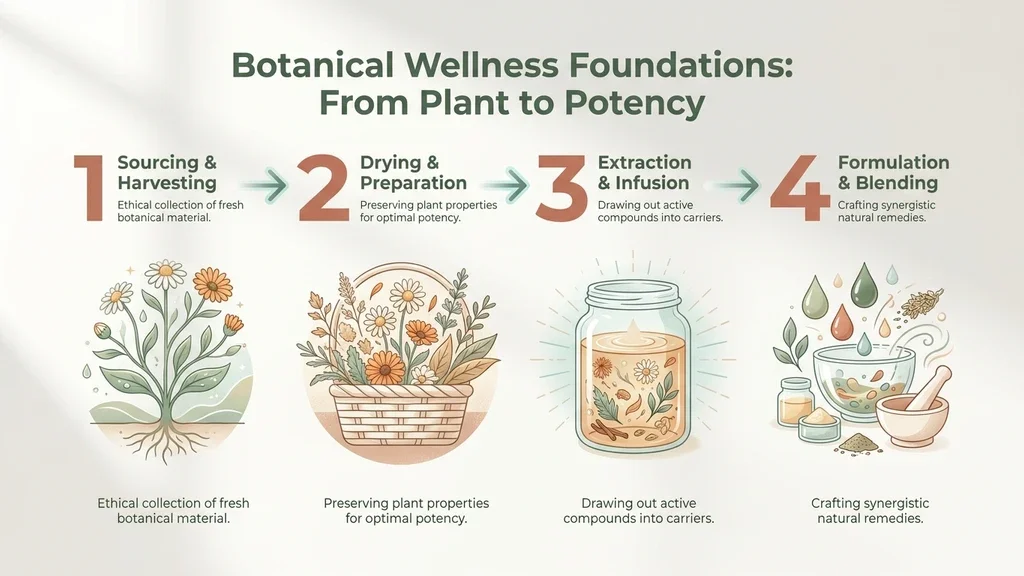
Building a natural pharmacy requires stocking up on versatile and effective plants. Proper identification and preparation are crucial steps in herbal medicine for beginners. Different plants require different extraction methods to yield the most powerful natural remedies. Establishing a core selection of botanicals will ensure you are prepared for common ailments.
| Herb | Primary therapeutic use | Ideal preparation method |
|---|---|---|
| Chamomile | Calm the nervous system | Hot water infusion |
| Calendula | Skin softening and cell recovery | Maceration of oil |
| Peppermint | Support and cooling of digestion | Tincture or tea |
| Echinacea | Stimulation of the immune system | Alcohol extraction |
| Lavender | Stress relief and minor burns | Distillation of essential oils |
By mastering these basic preparations, practitioners can effectively address common household ailments. Structured registration online herbal medicine course accelerates this learning process and provides detailed instructions on optimal ratios, conservation techniques and ethical foraging practices.
Formulating vegan and herbal remedies
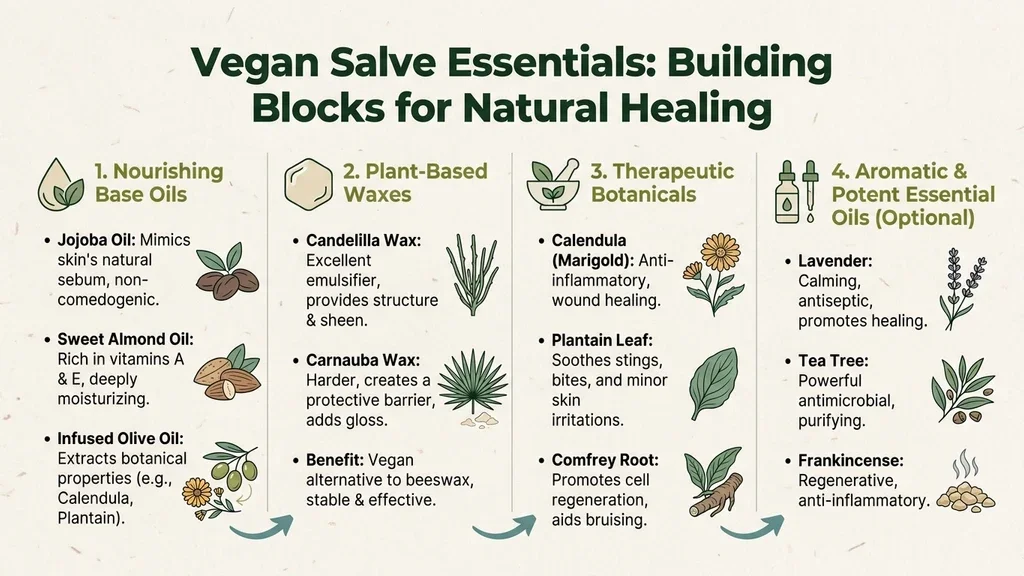
A core component of modern pharmacy practice is the use of only vegan ingredients. Traditional recipes often call for beeswax or animal components, but contemporary natural remedies are easily replacing these with plant-based alternatives. Candelilla wax, carnauba wax and rich botanical butters make an excellent base for ointments and balms without compromising ethical standards.
“The true power of a home pharmacist lies in their ability to harness the botanical gifts of the earth while maintaining a deep respect for all living things and ecosystems.”
By focusing on cruelty-free ingredients, practitioners ensure their formulations align with holistic and compassionate values. Any medicinal herb guide should emphasize the importance of sustainable and ethical sourcing of ingredients. This approach ensures that the healing process extends beyond the individual to protect the environment.
Safe practices in botanical preparation
Safety remains the top priority when manufacturing therapeutic compounds. Plants contain powerful active ingredients that require careful handling and accurate dosage calculations. Insight into the complexity of Herbal medicine ensures safe application and minimizes the risk of side effects.
Important safety guidelines for the home laboratory
- Always verify plant identification through multiple sources before harvesting or purchasing.
- Perform patch tests on a small area of skin before applying new botanical formulations on a large scale.
- Investigate possible contraindications, especially when combining herbs with pharmaceutical drugs.
- Store all preparations in dark glass containers, away from direct sunlight, to prevent spoilage.
- Clearly label each batch with the exact ingredients, proportions and date of creation.
The transition from beginner to practitioner
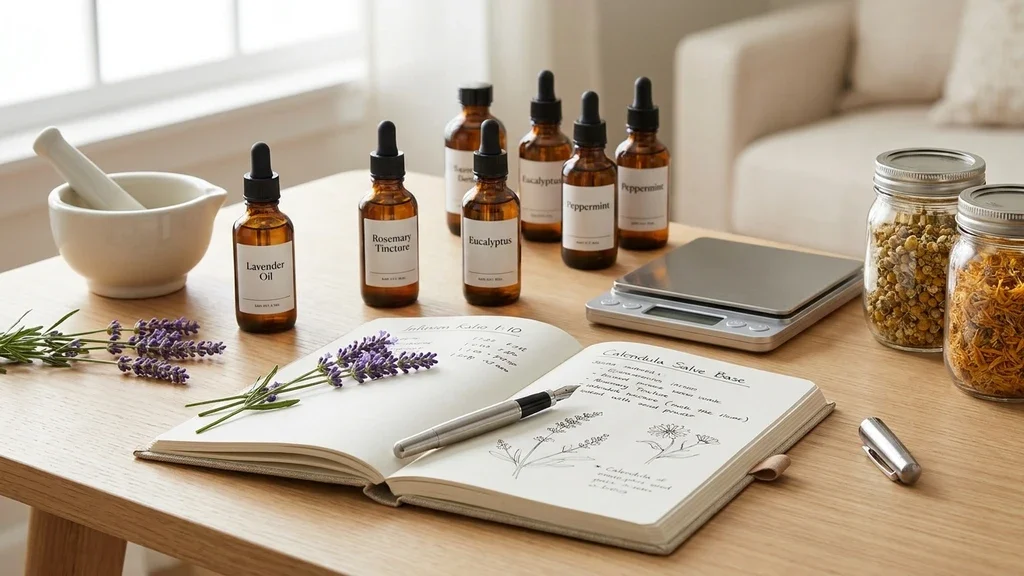
Moving beyond basic infusions, experimentation is underway with complex formulations such as dual extraction tinctures and emulsified creams. An online advanced herbal medicine course typically covers these complicated techniques, allowing students to significantly improve their craft. Consistent practice and meticulous record keeping are essential for refining recipes and achieving consistent, high-quality results over time.
Cultivating a sustainable healing garden
Growing medicinal plants at home guarantees a fresh supply of high-quality ingredients. Cultivating a personal garden reduces dependence on commercial suppliers and deepens the connection between the practitioner and the botanical world. A thorough guide to medicinal herbs often includes growing tips tailored to different climates, focusing on soil health, optimal watering schedules and planting companion plants. Harvesting herbs at their peak, usually mid-morning after the dew has evaporated, ensures maximum essential oil content and therapeutic power.
Integrating aromatherapy with botanical extracts
Combining volatile essential oils with whole plant extracts creates synergistic effects that dramatically improve therapeutic results. Aromatherapy serves as a powerful addition to traditional botanical preparations. Diluting pure essential oils in herb-infused carrier oils maximizes the efficacy of topical applications, creating well-rounded and powerful natural healing remedies. For example, mixing lavender essential oil with jojoba oil with chamomile creates a superior relaxing massage mixture.
Frequently asked questions
What’s the best way to start learning about botanical formulations?
The most effective approach is to enroll in a structured online program that includes both theory and practical applications. Starting with simple water infusions and simple macerations with oil creates a strong foundation.
Can herbal ingredients completely replace beeswax in ointments?
Yes, vegan alternatives such as candelilla wax and carnauba wax provide excellent structural properties for balms and ointments. They provide the necessary strength while maintaining a completely cruelty-free profile.
How long do homemade botanical extracts typically last?
Shelf life varies per preparation method; Alcohol-based tinctures can last for several years, while water infusions should be consumed within a few days. Proper storage in dark glass containers significantly extends the viability of most preparations.
Is it necessary to grow my own plants to create a home pharmacy?
While cultivating a personal garden ensures optimal freshness, it is not strictly necessary. High-quality, ethically wild-sourced or organically grown dried botanicals can be purchased from reputable suppliers to create effective formulations.