
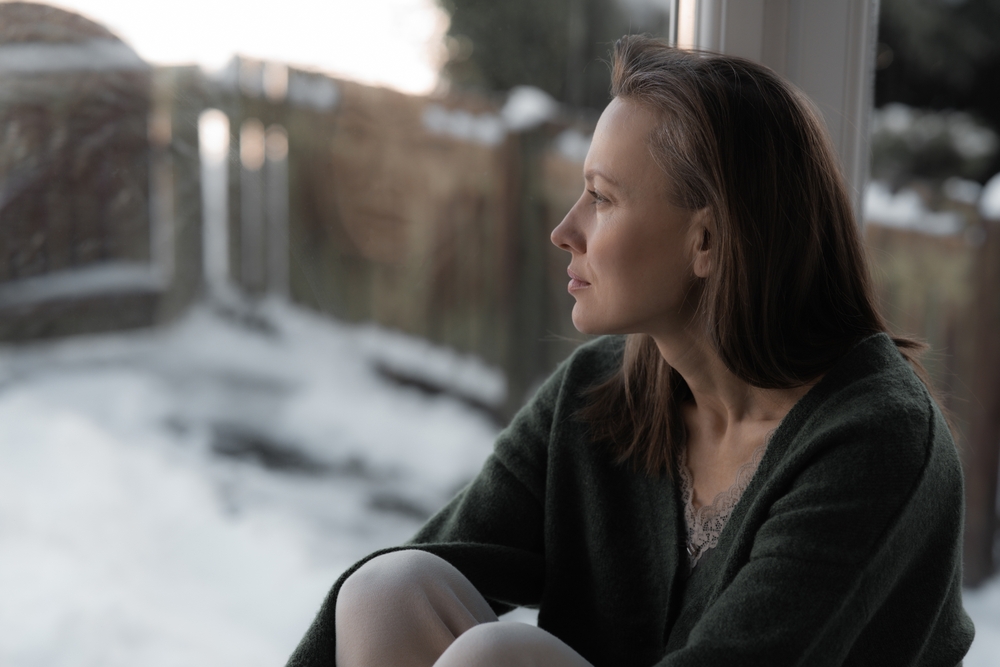
New research highlights that seasonal affective disorder is a shared mental health challenge, but women are almost twice as likely to suffer from it as men, who exhibit different symptoms. Doctors explain the reason for this and practices that can reduce suffering for both.
Nearly half of all women report seasonal depression symptoms, compared to 28% of men
While ‘Blue Monday’ puts the spotlight on gloomy mood every January, doctors warn that seasonal depression often hits hardest in February. That is the moment when the shortage of daylight piles up and motivation decreases further. New research shows the burden is felt unevenly, especially among women.
A recent study shows that almost 45% of women experience symptoms consistent with SAD, compared to only 28% of men. Although women are more commonly affected and report more severe symptoms, the research also makes it clear that men suffer from it too – it’s just much less diagnosed or more often overlooked.
The latest research shows that seasonal mood swings are strongly linked to how reduced daylight affects circadian timing and the regulation of neurotransmitters in the brain. These biological shifts can occur even without clinical depression. Therefore, early, preventive support is often more effective than waiting for symptoms to escalate.
Higher vulnerability in women appears to be related to a combination of biological sensitivity to light changes, hormonal and circadian rhythm factors. In addition to social pressures, such as caregiving responsibilities, stress can increase during the winter months.
Although fewer men are formally diagnosed with SAD, the research shows that this does not indicate lower levels of stress.
Instead, men often express seasonal depression in ways that are less likely to be identified as such. They may experience increased irritability, emotional withdrawal, and higher substance use, as opposed to just low mood. Combined with a reduced likelihood of seeking help, seasonal depression in men is often underreported and underdiagnosed, rather than absent.
According to a study published in The European Journal of Public Health, the percentage of people suffering from SAD in the EU is up to 8% of the total population.
Although men and women differ in the number of patients and the manner in which they present their symptoms, it is clear that large numbers of people continue to experience symptoms each year. We must accept that our mood and energy will reflect adaptive biological responses to environmental conditions, but there are tools we can all use to reduce the severity of the symptoms mentioned.
5 Tips to Combat Seasonal Affective Disorder
- Exposure to sunlight: Spending one hour and thirty minutes a day in outdoor light is associated with a lower risk of depression, according to a study in Translational Psychiatry.
- Nutrition: Low intake of key nutrients such as vitamin D has been found to be associated with poorer mood in the winter months. Incorporating this vitamin, naturally or supplementally, makes a difference in improving mood during the winter.
- Regular exercise: Many studies highlight that exercise helps regulate circadian rhythms and supports serotonin activity to improve mood.
- Sleep consistency: According to a Nature study, irregular bedtimes and sleeping too long can compound to the point where fatigue and low mood worsen. Setting good, regular sleep and wake schedules will help combat this.
- Social connection: Research shows that social isolation has detrimental effects on mental health. Therefore, during the winter months it is encouraged to lead a social life in a way that you enjoy, to avoid these effects of isolation.
For those who suffer from seasonal depression, it is recommended that you use the above tools and practices to introduce them into your life through small, repeatable actions rather than dramatic lifestyle changes. By prioritizing these in such a way, balance can be restored. More and more people are also switching to technological aids such as brain stimulation. We are expanding the toolkit to treat SAD at this time.
The post Seasonal Depression Peaks in February first appeared on Alternative Medicine Magazine.