
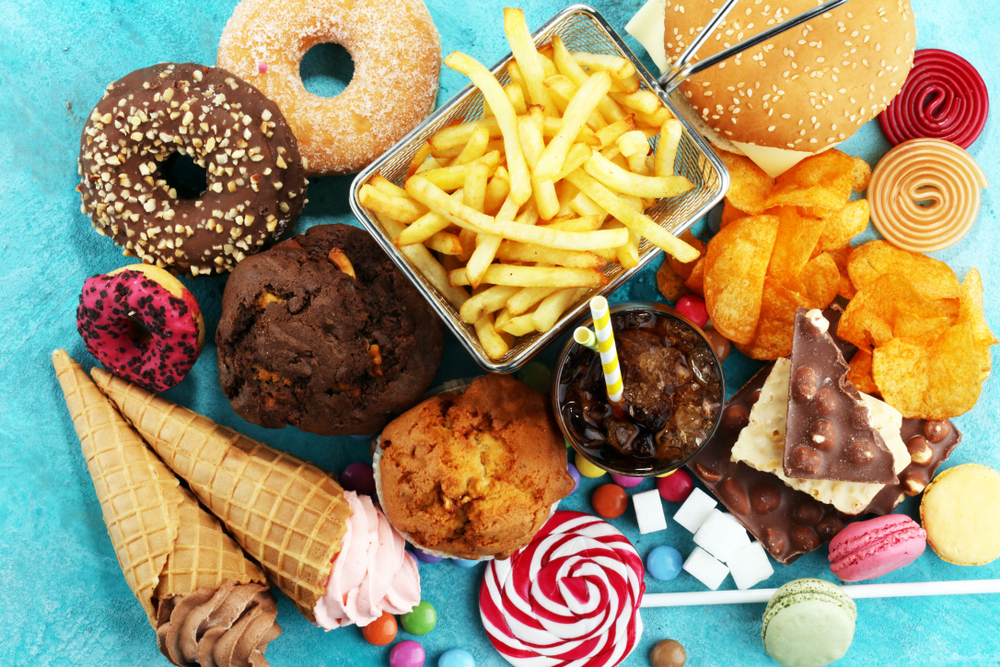

You may have heard Hippocrates’ famous quote, “Let food be thy medicine…” And it turns out, he was onto something. Not only is every cell, bone, and molecule within our body shaped by the nutrients we consume, but recent studies highlight the role of a balanced diet in combating depression.
Let’s explore the link between nutrition and mood, and learn the five worst foods for mental health, according to Catherine Gervacio, a registered nutritionist-dietitian and certified exercise nutrition coach at the National Coalition on Health Care.
Understanding the link between diet and mental health
Our dietary choices influence not just our bodily cells, but also the vast population of bacteria in our gut–called the microbiome.
In a world favoring convenient, flavor-rich meals, many of us regularly consume inflammatory foods that compromise our gut health, leading to chronic inflammation. And numerous studies have linked inflammation to depression, among other disorders.
“Chronic inflammation is associated with mental health disorders as it can negatively affect the brain’s function and structure, leading to mood disturbances,” Gervacio says. Conversely, research shows that an anti-inflammatory diet, rich in healthy fats, vitamins, antioxidants, and high-quality protein, can significantly improve mental health issues.
In fact, a notable study involving 6,500 women over 12 years revealed that participants following such a diet had a 20% lower chance of developing depression.
5 Worst foods for mental health
These five inflammatory foods are the most frequent offenders for people with depression:
1. Gluten
Gluten is a protein found in wheat and products such as:
- White and whole wheat flour
- Bread, pasta, and pizza dough
- Crackers, cereals, packaged cookies, and other processed foods
- Grains like barley, rye, and couscous
- Many condiments, such as soy sauce
“Gluten-containing foods may trigger inflammation, especially in some individuals who have sensitivities to it, potentially worsening symptoms of depression and anxiety,” Gervacio says.
Gluten prompts gut cells to produce zonulin, a protein that regulates intestinal permeability, resulting in “leaky gut” and inflammation. And beyond depression, it’s been linked to over 200 different conditions, including seizures, headaches, anxiety, ADHD symptoms, and even neurotoxicity.
So, if you suffer from depression or other conditions related to the gut-brain connection, consider removing gluten from your diet to see how you feel.
2. Dairy
Most of us love dairy products. And science can explain why: they contain compounds that trigger the brain’s opioid receptors, meaning they induce a pleasurable experience–which you can even become mildly addicted to.
Numerous studies have also highlighted casein, a predominant protein in dairy, as a potential inflammation trigger. It’s been associated with various psychiatric conditions, including depression and schizophrenia. While dairy may not negatively impact everyone, some do better with alternatives.
If you’re suffering from depression or other mood issues, try going dairy-free for a month.
3. Genetically modified organisms (GMOs)
GMOs have a huge place in the Standard American Diet (SAD). This is worrisome, not just because they’ve been tinkered with at the genetic level, but because they rely heavily on pesticides and herbicides. Some GMOs even produce pesticides on their own.
Many GMO crops are designed to withstand herbicides, especially glyphosate (like in Roundup, which has been linked to cancer and other serious health problems). This means they’re often laden with chemicals meant to eliminate weeds.
“The long-term effects of consuming GMOs are not yet fully understood yet, but there are emerging concerns about its impact on mental health,” Gervacio says. This is partly because these foods can change our gut microbiota–a key player in our overall well-being and mental health.
Some potential risks of GMOs and heavy pesticide/herbicide consumption include:
- Altered gut health, impacting mood and mental clarity
- Impaired production of essential amino acids vital for brain function, such as tryptophan
- Reduced ability to absorb essential minerals
- A hindered liver detoxification process, which can impact mood and overall health
Unfortunately, even foods labeled non-GMO aren’t always free from pesticides. So, for those battling mood disorders, opting for organic is a good idea.
4. Sugar
If you have a sweet tooth, you’re not alone. Each year, the average American consumes an astonishing 60 to 100 pounds of sugar. It’s hard to resist, especially when sugar stimulates our brain’s reward system, making us crave more.
But it’s not just cravings that impact your mental health; it’s blood sugar imbalance. “One obvious effect of this is the blood sugar spike and sudden crash, which can cause mood swings and anxiety,” Gervacio says.
“Excessive sugar intake also promotes inflammation,” she adds, which we’ve learned is a major driver of depression. Furthermore, sugar disrupts the gut microbiome and dysregulates hormones, potentially leading to worse mood issues. Keeping your blood sugar levels stable is a great defense against depression.
And artificial sweeteners, unfortunately, aren’t any better. Studies show they also cause hormonal and gut imbalances, and can lead to metabolic issues like insulin resistance.
Gervacio recommends choosing natural sweeteners like honey or maple syrup, and enjoying them in moderation.
5. Vegetable oils
The SAD is loaded with unhealthy fats, primarily in the form of commercial vegetable oils. These oils, often lurking in everyday items like packaged snacks and salad dressings, include:
- Safflower oil
- Corn oil
- Sunflower oil
- Soybean oil
- Canola oil
While once touted as healthy options, these oils are typically made from GMOs, utilize intense heating processes, and contain an improper balance of fatty acids.
“Vegetable oils can cause an imbalance of omega 3 and omega 6 fatty acids which may impact brain health,” Gervacio says. “There are some vegetable oils that are high in pro-inflammatory omega-6 fatty acids that can contribute to systemic inflammation.”
Consuming vegetable oils can lead to a myriad of health issues, including:
- Depression
- Anxiety
- Thyroid issues
- Heart disease
- Nutrient deficiencies
Try eating healthier, naturally-obtained fats, such as olive, avocado, and coconut oil instead.
So what do I eat instead?
Gervacio recommends doing an “elimination diet” for about four weeks to reset your system.
“During the elimination phase, eat only natural foods, even better with an organic certification seal,” she says. During this time, many people find themselves feeling rejuvenated and notice their preferences shifting towards healthier choices.
Here are Gervacio’s recommended guidelines for the elimination diet and beyond:
- Opt for high-quality protein sources like poultry, lean, grass-fed beef, and legumes.
- Load up on organic, non-GMO vegetables such as broccoli, leafy greens, and sweet potatoes.
- Enjoy organic fruits like apples, pears, and oranges.
- Incorporate nuts and seeds like almonds, walnuts, and sunflower seeds.
- Swap processed vegetable oils for healthier alternatives like olive oil, avocado oil, or coconut oil. Enjoy in moderation and as part of a balanced meal.
- Avoid refined and artificial sugars. Enjoy natural sweeteners like those in fruits, or turn to honey or maple syrup–but use sparingly.
- Substitute coconut, almond, or oat milk and ghee (clarified, casein-free butter) for traditional dairy products.
- Choose gluten-free grains such as rice, quinoa, and gluten-free oats.
Changing your diet can feel daunting–especially in a world that promotes quick solutions. But dedicating yourself to better nutrition has profound benefits for your mental and physical health. Choosing anti-inflammatory options in lieu of the worst foods for mental health not only supports a balanced mood, but fine-tunes your understanding of what truly feeds your well-being.
After your four-week dietary reset, you may consider gradually reintroducing foods, such as dairy. Just pay close attention to how you feel. You might find yourself committed to an anti-inflammatory diet for the long haul.
References:
Impact of Dietary Fats on Brain Functions – PMC
HOW DOES MY BRAIN COMMUNICATE WITH MY BODY? – PMC
Food and mood: how do diet and nutrition affect mental wellbeing? – PMC
Influence of Foods and Nutrition on the Gut Microbiome and Implications for Intestinal Health – PMC
The Impact of Diet and Lifestyle on Gut Microbiota and Human Health – PMC
The Leaky Gut: Mechanisms, Measurement and Clinical Implications in Humans – PMC
Leaky Gut and the Ingredients That Help Treat It: A Review – PMC
The Gut-Brain Axis: The Missing Link in Depression – PMC
The Role of Inflammation in Depression and Fatigue – PMC
So depression is an inflammatory disease, but where does the inflammation come from? – PMC
Dietary inflammatory potential and the incidence of depression and anxiety: a meta-analysis – PMC
Effects of a Standard American Diet and an anti-inflammatory diet in male and female mice
The Role of Gluten in Gastrointestinal Disorders: A Review – PMC
The Role of Endoscopy in the Diagnosis of Celiac Disease – PMC
Gluten, Inflammation, and Neurodegeneration – PMC
Psychiatric and Neurological Manifestations of Celiac Disease in Adults – PMC
Gluten sensitivity and epilepsy: a systematic review – PMC
Prevalence of migraine in patients with celiac disease and inflammatory bowel disease
The Gluten-Free Diet: Fad or Necessity? – PMC
Non-coeliac gluten sensitivity: piecing the puzzle together – PMC
An exploration into the motivation for gluten avoidance in the absence of coeliac disease – PMC
Association of Attention-Deficit/Hyperactivity Disorder and Celiac Disease: A Brief Report – PMC.
Gluten, Inflammation, and Neurodegeneration – PMC
Zonulin, regulation of tight junctions, and autoimmune diseases – PMC).
Liver Illness and Psychiatric Patients – PMC
Food-Derived Opioid Peptides in Human Health: A Review – PMC
Association between bovine casein antibody and new onset schizophrenia among US military personnel).
Major Depressive Disorder and Food Hypersensitivity: A Case Report
Fermented dairy foods consumption and depressive symptoms: A meta-analysis of cohort studies – PMC
Genetically Modified Crops and Food Security – PMC
The evidence of human exposure to glyphosate: a review
Does Glyphosate Affect the Human Microbiota? – PMC
Genetically modified foods: safety, risks and public concerns—a review – PMC.
How much sugar is too much? | American Heart Association
Americans eat too much sugar — nearly 100 pounds of sugar and sweeteners each year.
The relationship between opioid and sugar intake: Review of evidence and clinical applications – PMC
Sugar rush or sugar crash? A meta-analysis of carbohydrate effects on mood
Hypoglycemia: The neglected complication – PMC
Total sugar intake is associated with higher prevalence of depressive symptoms in obese adults.
Monitoring and Maintenance of Brain Glucose Supply – Appetite and Food Intake – NCBI Bookshelf
The Impact of Artificial Sweeteners on Body Weight Control and Glucose Homeostasis – PMC
Importance of maintaining a low omega–6/omega–3 ratio for reducing inflammation – PMC
Vegetable Oil – an overview | ScienceDirect Topics
An optimized procedure for detection of genetically modified DNA in refined vegetable oils – PMC
Canola Oil – an overview | ScienceDirect Topics.
History of Canola Seed Development
The effect of rapeseed oil on the thyroid function of rats | SpringerLink
Role of Nutrition and Diet on Healthy Mental State – PMC